

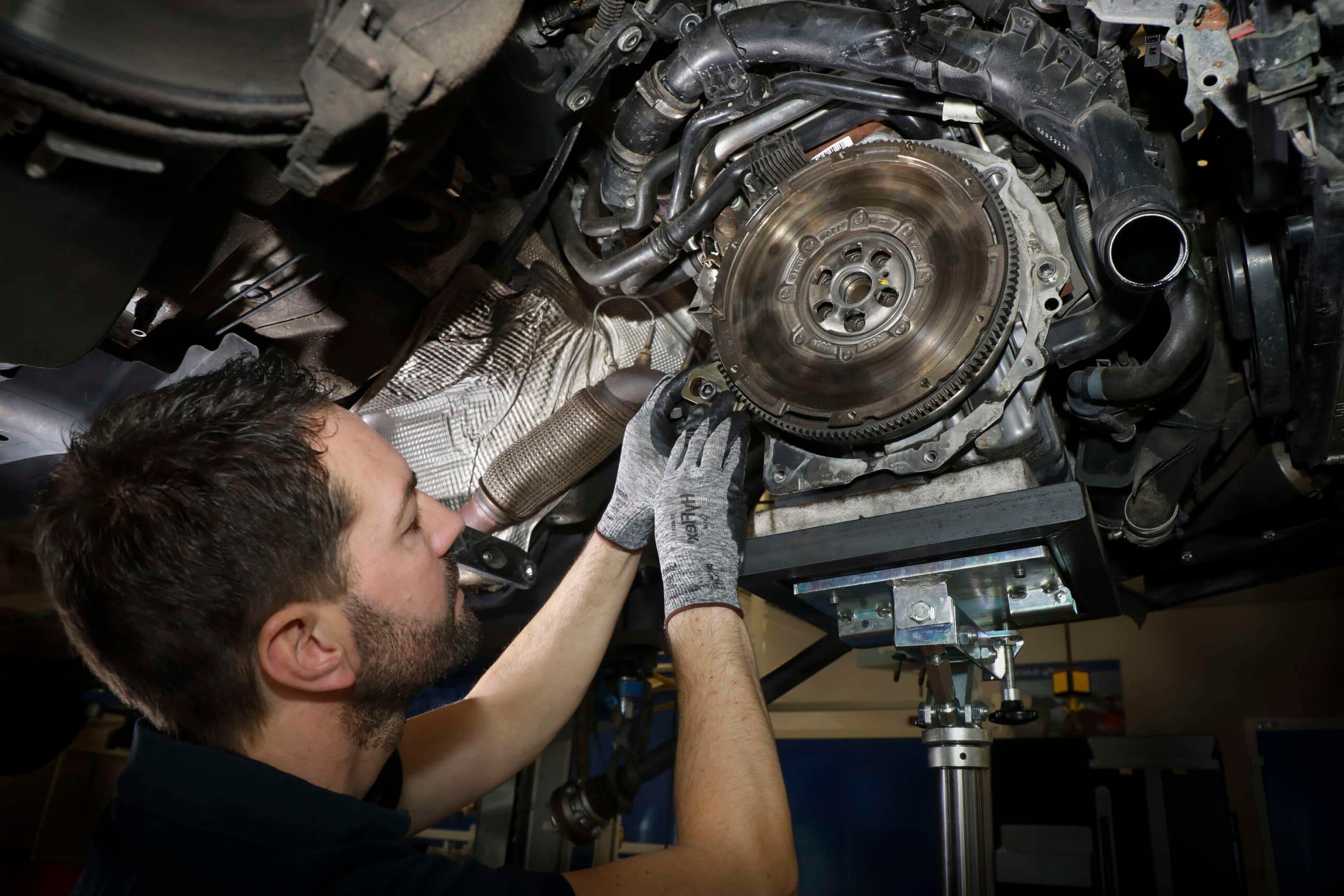
Xtronic CVT (Nissan CVT)
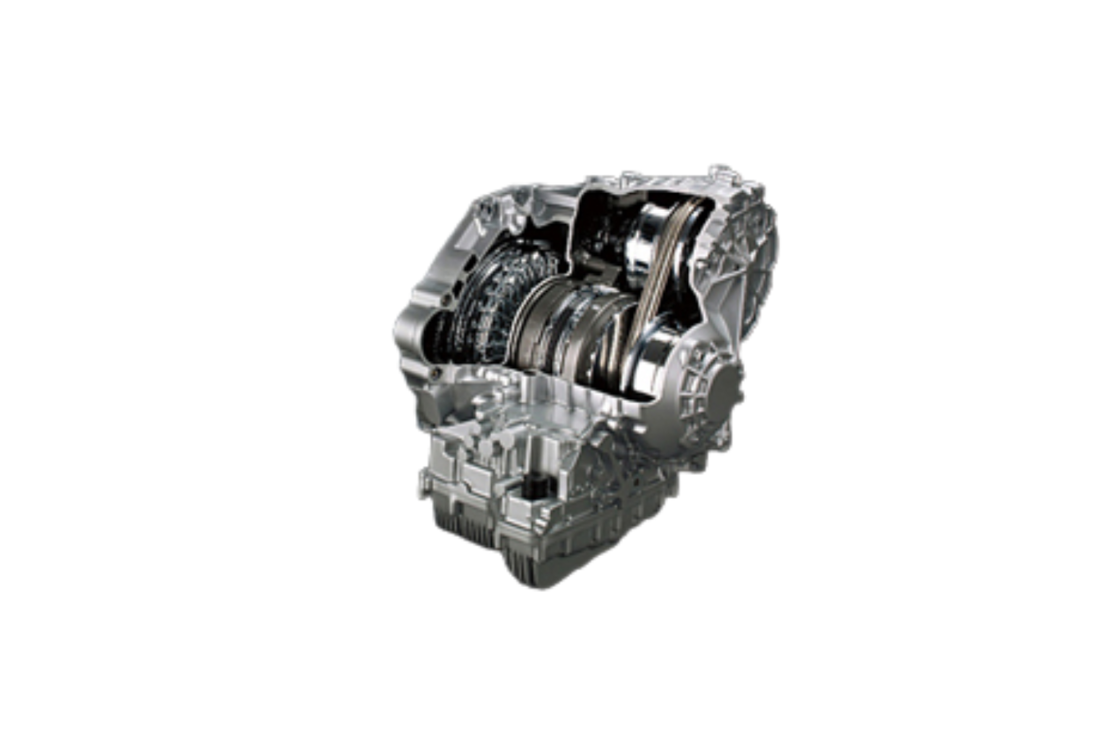
Nissan’s Xtronic CVT made a splash in the mid-2000s, touting seamless power delivery and lower fuel consumption. It worked well in city driving and offered a smooth ride for many. However, some drivers later complained of belt slip and “rubber-band” acceleration, highlighting the limits of CVT designs.
Have a Problem?
Common Problems With Xtronic CVT (Nissan CVT)
Common Xtronic CVT (Nissan) Problems
Nissan’s Xtronic CVT aims to optimize fuel economy, but certain repeated complaints appear with higher mileage or severe use.
“Rubber Band” Effect
The engine may rev significantly before the vehicle speed catches up, leading to a disconnected sensation under acceleration.
Potential Causes: Belt or pulley slippage, fluid breakdown, or thermal saturation limiting ratio change speed.
Overheating on Prolonged Uphills
Certain models trigger a “transmission hot” warning if driven aggressively up steep grades for extended periods.
Potential Causes: Limited CVT fluid cooler capacity, continuous load from climbing, or poor fluid condition.
Shuddering at Lower Speeds
A mild vibration or judder can arise as the CVT transitions between ratio ranges or partial lock-up.
Potential Causes: Early belt wear, irregularities in the pulley surfaces, fluid contamination.
Jerky Step-Logic Simulations
Some Xtronic versions simulate gear steps, which might feel abrupt if software calibrations are off.
Potential Causes: TCM software glitch, sensor misreads, or mechanical slippage interfering with ratio changes.
Maintenance Recommendations
Using Nissan-specific CVT fluid and following recommended service schedules is vital. Avoid extended high-load or towing beyond rated capacity. If repeated overheating warnings occur, have the system inspected for potential belt or pulley wear and to confirm cooler efficiency.
Popular Cars with this Gearbox
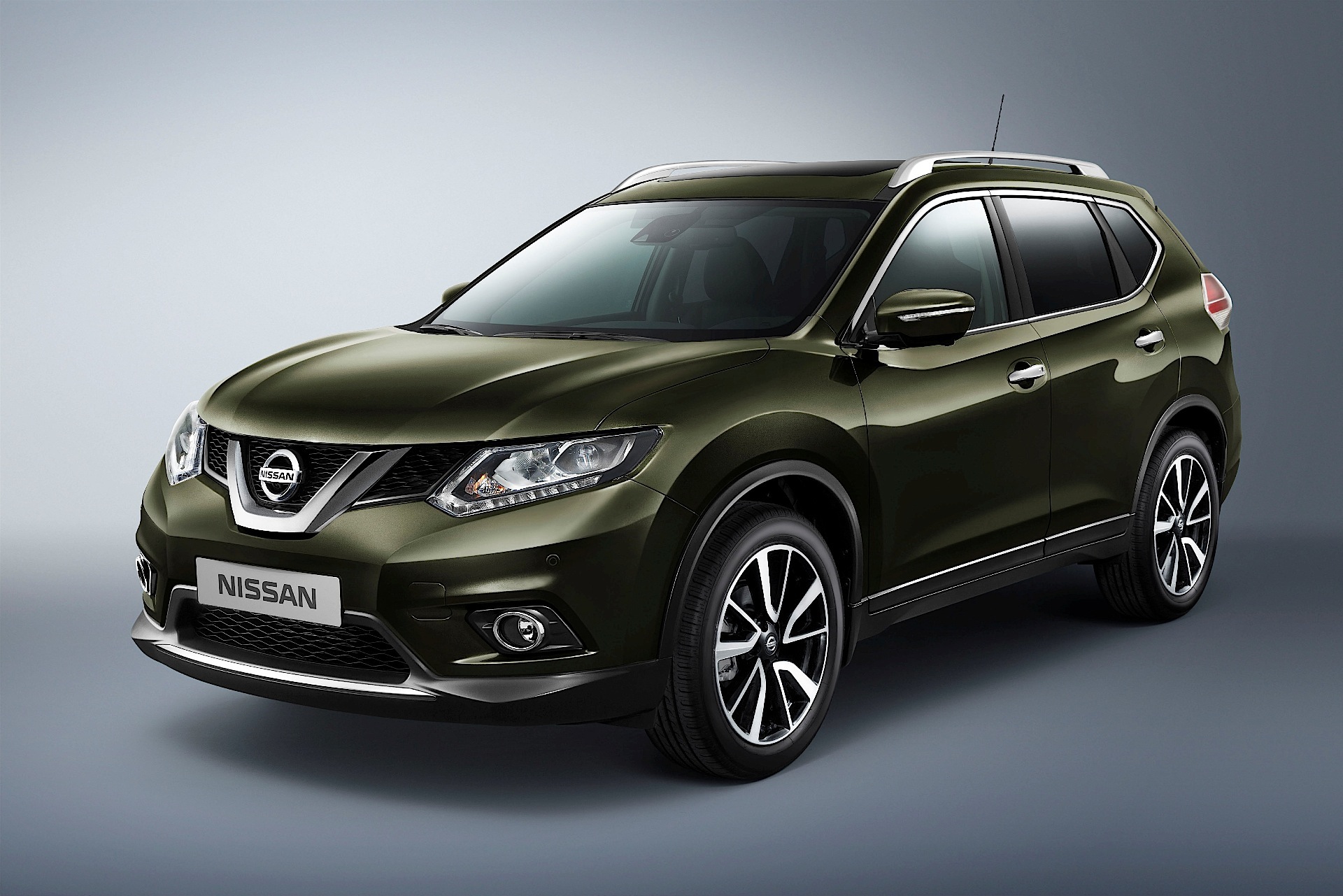
Nissan X-Trail
The X-Trail appeared in the early 2000s as a rugged 4×4, but it shifted to a more family-friendly crossover in its 2014 redesign. British families appreciated the optional seven seats, upgraded safety, and comfortable ride. Facelifts added advanced driving aids and improved connectivity. This evolution turned the X-Trail into an alternative for those seeking extra space but preferring a softer, more efficient SUV.
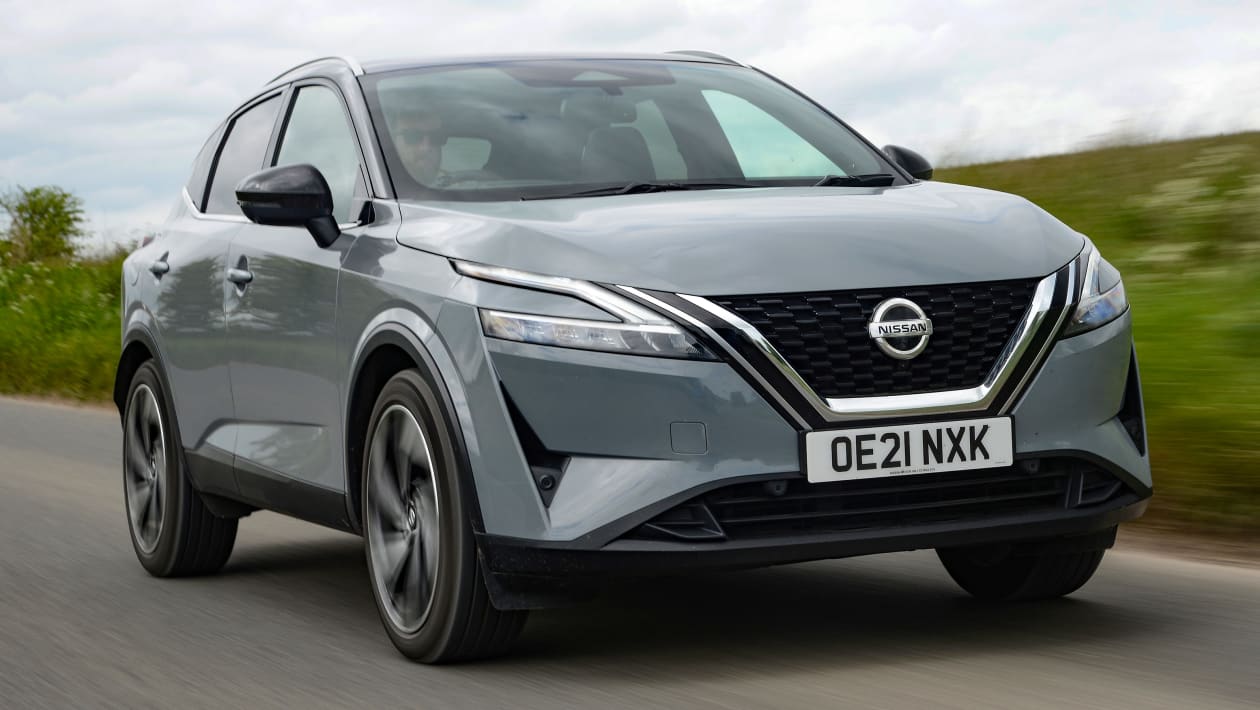
Nissan Qashqai
Arriving in 2007, the Qashqai effectively ignited the crossover craze by blending hatchback dynamics with SUV looks. In the UK, it quickly became a best-seller, offering decent economy, comfort, and elevated seating. Facelifts brought driver aids like 360-degree cameras and updated styling. Known for its family-friendly approach, it stood as a benchmark in the crossover segment for over a decade.
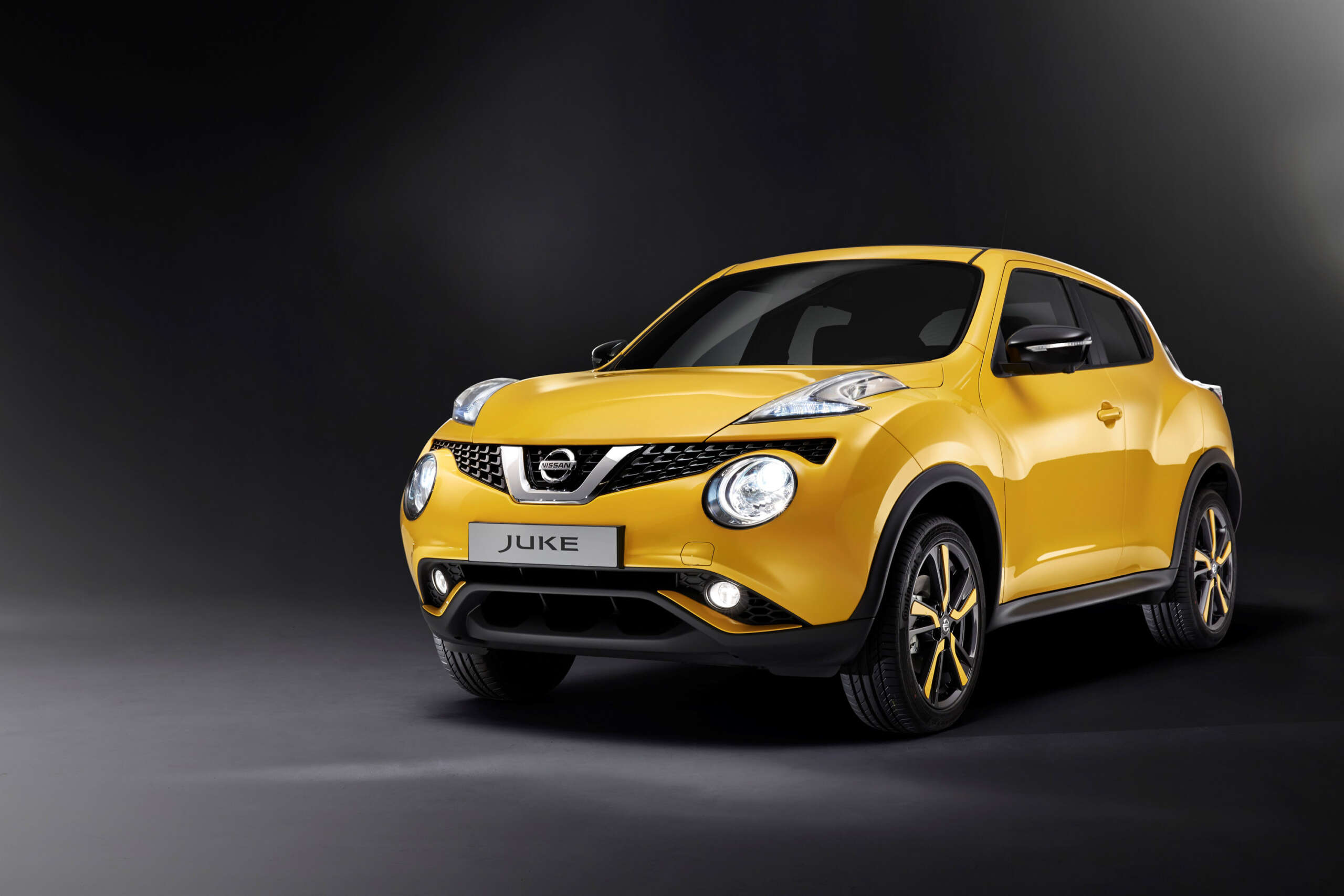
Nissan Juke
Launched in 2010, the Juke boasted quirky design and a compact footprint, inventing a “small crossover” aesthetic. British buyers found its bold styling polarizing but memorable. It introduced turbo petrol engines, plus optional all-wheel drive in performance trims. Facelifts refined the cabin, and a second generation later modernized the design, ensuring the Juke stayed relevant among style-conscious urban drivers seeking a higher ride.
Is Your Vehicle Included?
Cars Using the Xtronic CVT (Nissan CVT)
- Nissan: Altima, Sentra, Rogue, Qashqai, Maxima
- Mitsubishi (shared tech): Outlander, ASX/RVR (some global markets)
Have a question?
Frequently asked questions
How much will it cost to repair my gearbox?
It’s difficult to provide a definitive answer without a proper diagnostic, as the cost of a gearbox repair can vary depending on several factors. The make and model of the car, as well as the type of gearbox, can significantly impact the cost.
If you’re experiencing issues with your gearbox, the best course of action is to contact one of our specialist team who will be able to provide you with an initial quotation.
What causes a gearbox to become faulty?
There are several factors that can contribute to a gearbox becoming faulty. Some of the most common causes include:
-
Lack of maintenance: Regular maintenance, including changing the gearbox oil and replacing worn parts, can help prevent damage to the gearbox.
-
Wear and tear: Over time, the gears and other components of the gearbox can become worn, leading to issues such as grinding or difficulty shifting.
-
Overheating: Excessive heat can damage the gearbox and cause it to fail. This can be caused by a variety of factors, including driving at high speeds for extended periods or towing heavy loads.
-
Contamination: Dirt, debris, or other contaminants can get into the gearbox and cause damage to the gears and bearings.
-
Manufacturer defects: In some cases, the gearbox may have been manufactured with a defect that causes it to fail prematurely.
Can I still drive my car if the gearbox is acting strange?
It’s not recommended to continue driving your car if you’re experiencing problems with the gearbox. While you may be able to drive for a short time, ignoring the issue could result in more severe damage to the gearbox and other components of your vehicle.
Continuing to drive with a faulty gearbox could also turn a simple repair into a more complex and expensive one. In some cases, driving with a damaged gearbox could lead to complete gearbox failure, which could result in extensive damage and costly repairs.
If you’re experiencing issues with your gearbox, it’s important to have it diagnosed and repaired by a professional as soon as possible.
Get an initial quote today.
Enter your information and one of our specialists will be in touch.
Contact us
submit an enquiry