

Toyota Prius Common Gearbox Problems
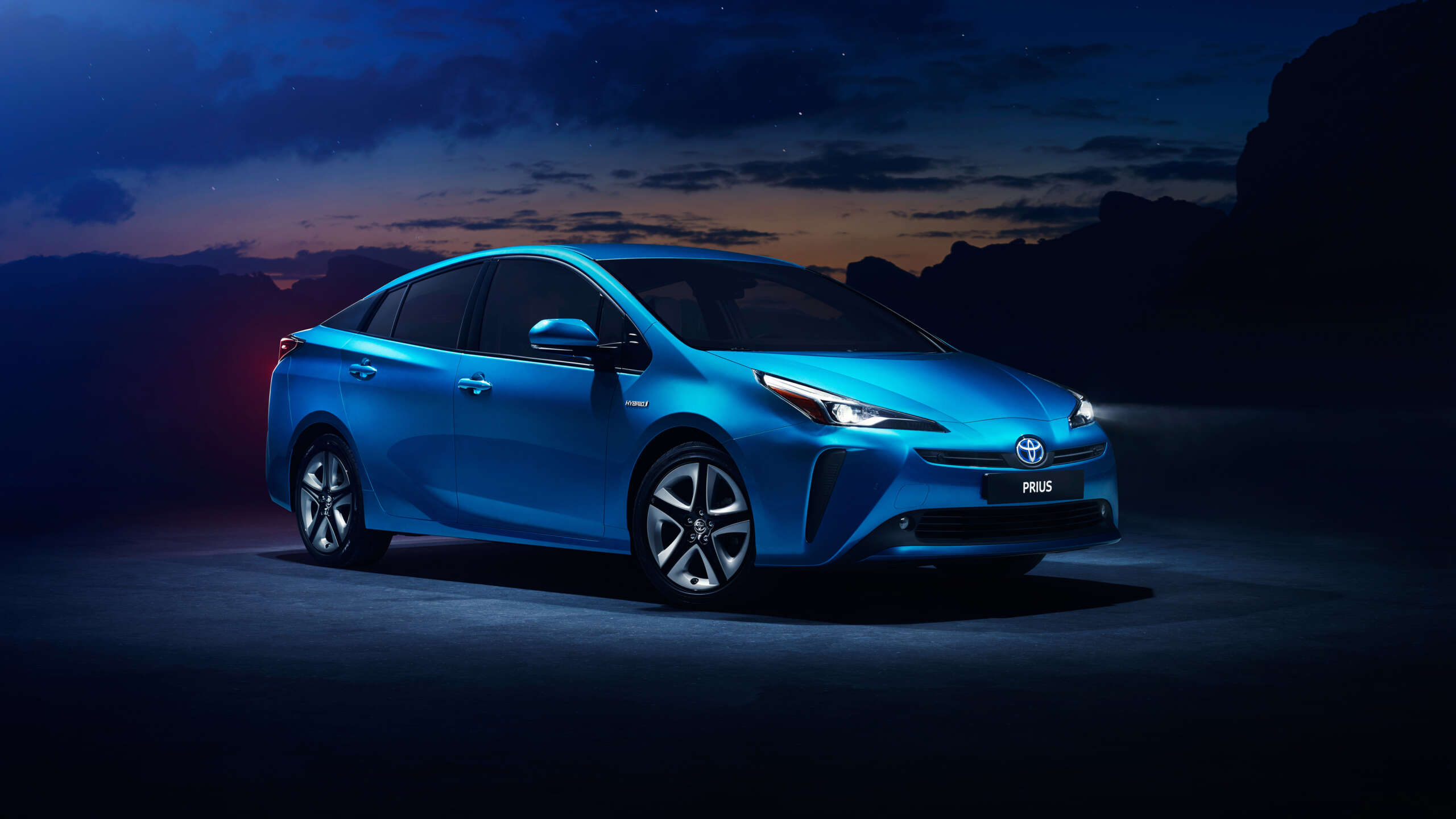
The Toyota Prius has long been a pioneer in the hybrid vehicle market, offering a seamless blend of efficiency and practicality. While the manual version with a traditional gearbox isn’t available, the automatic version shines with its eCVT (planetary gearset hybrid drive) system. This innovative transmission ensures a smooth and efficient driving experience, perfectly complementing the Prius’s reputation for outstanding fuel economy. Owners appreciate the Prius not only for its eco-friendly credentials but also for its spacious interior and reliable performance, making it a smart choice for those who value sustainability without sacrificing comfort.
Toyota (Prius) eCVT (planetary gearset hybrid drive) Faults & Repairs Common Problems
The Toyota Prius, while renowned for its hybrid technology, has had some common issues reported by owners regarding its eCVT (planetary gearset hybrid drive) system. Here is a list of the most frequently encountered problems:
-
Transmission Fluid Leak – A common issue where fluid escapes from the transmission, often due to worn seals or gaskets, leading to low fluid levels and potential damage.
-
Shuddering or Jerking – Occurs during acceleration or deceleration, often caused by worn clutches or a failing torque converter, affecting smooth gear transitions.
-
Delayed Engagement – A noticeable delay when shifting from park to drive or reverse, typically due to low fluid levels or internal transmission wear.
-
Overheating – Excessive heat can cause transmission fluid to break down, leading to poor lubrication and potential component failure, often due to heavy loads or towing.
-
Slipping Gears – The transmission unexpectedly changes gears, often due to worn or damaged gears, clutches, or low fluid levels, affecting vehicle performance.
-
Unusual Noises – Grinding, whining, or clunking sounds from the transmission, often indicating worn bearings, gears, or other internal components needing attention.
-
Check Engine Light – The light may illuminate due to transmission issues, often related to sensor failures or internal component malfunctions requiring diagnostic evaluation.
-
Erratic Shifting – Inconsistent or harsh gear changes, often caused by faulty sensors, solenoids, or low fluid levels, affecting driving comfort and efficiency.
-
Fluid Contamination – Dirt or debris in the transmission fluid can cause blockages and wear, often due to a failing filter or lack of regular maintenance.
-
Torque Converter Issues – Problems with the torque converter can lead to poor acceleration and fuel efficiency, often due to worn bearings or damaged fins.
-
Transmission Slippage – Occurs when the transmission fails to engage properly, often due to low fluid levels or a worn-out belt, causing delayed acceleration or power loss.
-
Unexpected Noises – Unusual sounds like humming or clunking can indicate issues within the E-CVT, often requiring immediate attention to prevent severe damage.
-
Acceleration Lag – A noticeable delay in acceleration when pressing the gas pedal, often due to the E-CVT’s design prioritizing fuel efficiency over immediate power delivery.
-
Power Loss – A decrease in overall power, especially noticeable when driving uphill or carrying heavy loads, indicating potential issues with the E-CVT system.
-
Fluid Degradation – Over time, transmission fluid can degrade, leading to reduced lubrication and cooling efficiency, which can cause overheating and excessive wear.
-
Component Wear – Constant stress and friction on moving parts can lead to wear and tear, necessitating regular inspections to prevent transmission failure.
-
Software Errors – Software glitches can affect E-CVT performance, often requiring updates or recalibration to resolve issues and restore optimal function.
-
Jerky Movements – Often occurring at low speeds, jerky movements can be a sign of underlying E-CVT issues that need addressing to ensure smooth operation.
-
High-Pitched Noise – Annoying noises during drives can indicate problems with the E-CVT, often requiring professional diagnosis and repair to resolve.
-
Overheating – Excessive heat can damage the E-CVT, often caused by degraded fluid or heavy loads, necessitating regular maintenance to prevent issues.
Common Toyota Prius Gearbox Issues
If your vehicle is experiencing any of the below symptoms, it is highly recommended to have your vehicle diagnosed before it causes further damage internally or to other components within the gearbox system.
- Unable to select gears / drive / reverse
- Jerking in gears / dropping out of gears
- Burning smell from gearbox/clutches
- The gearbox warning light illuminated on the dashboard
- Whining / crunching / humming noises
- TCM / Mechatronic error codes
Toyota Prius Gearbox Repair Benefits
We offer customers a range of benefits when it comes to repairing their gearboxes. With cost-effective repair services, our team of highly skilled technicians are well-versed in repairing various types of gearboxes, making them capable of handling repairs for all makes and models.
 Low costSave up to 60% off main dealer prices with repairs, rebuilds, and reconditioning. |  All makes & modelsAutomatic, CVT, DSG, S-Tronic, Powershift, ZF and many more automatic types repaired. |
 Skilled techniciansOur team is highly skilled and has experience with repairs on almost every type of automatic gearbox. |  Warranty ProvidedAll types of repair come with a 12-month / 12,000-mile warranty. |
For a fast, no-obligation quote, please fill out the form below, and we will get the process of getting you back on the road underway!
Get an initial quote today.
Enter your information and one of our specialists will be in touch.
Contact us
submit an enquiry