

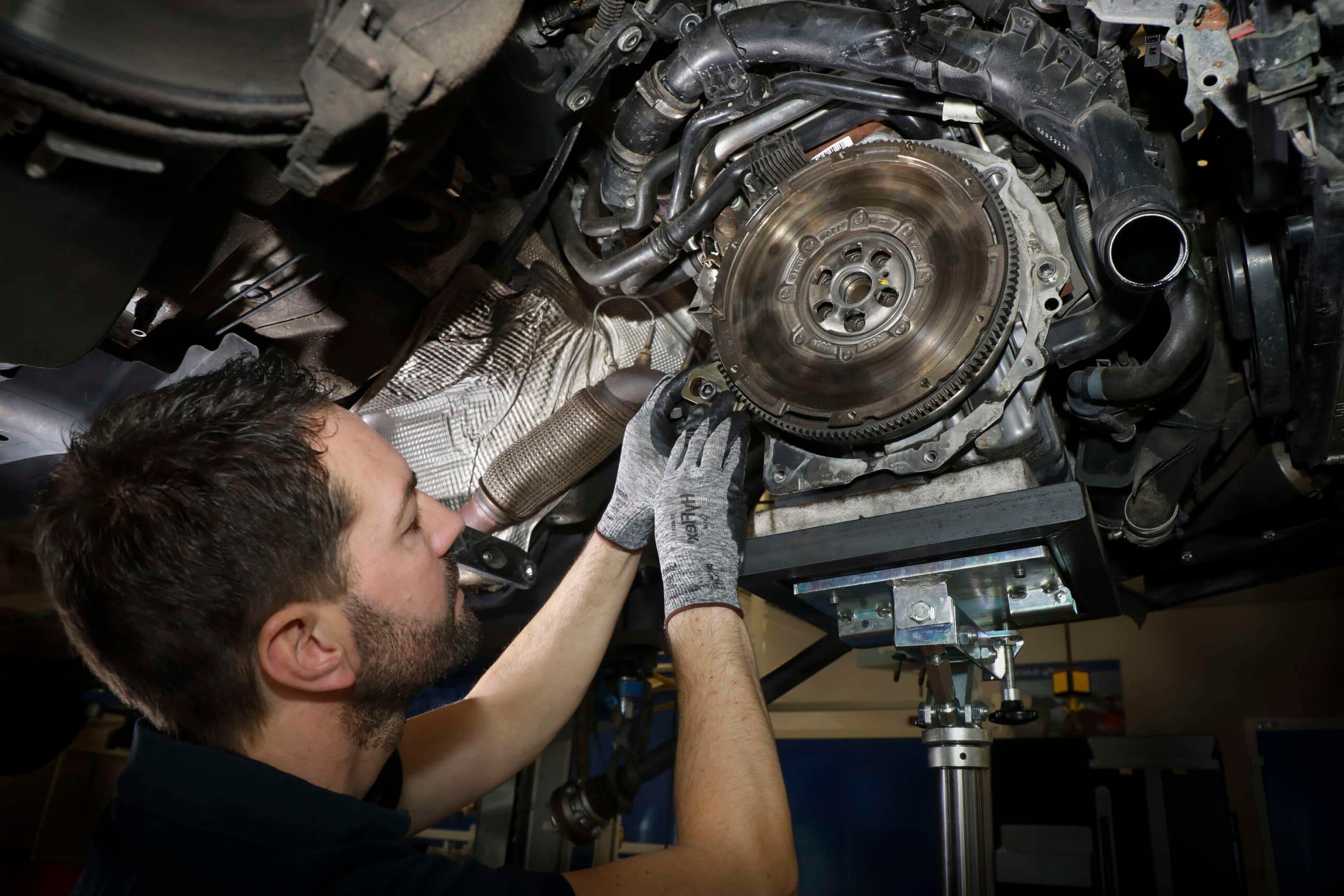
PDK (Porsche Dual-Clutch)
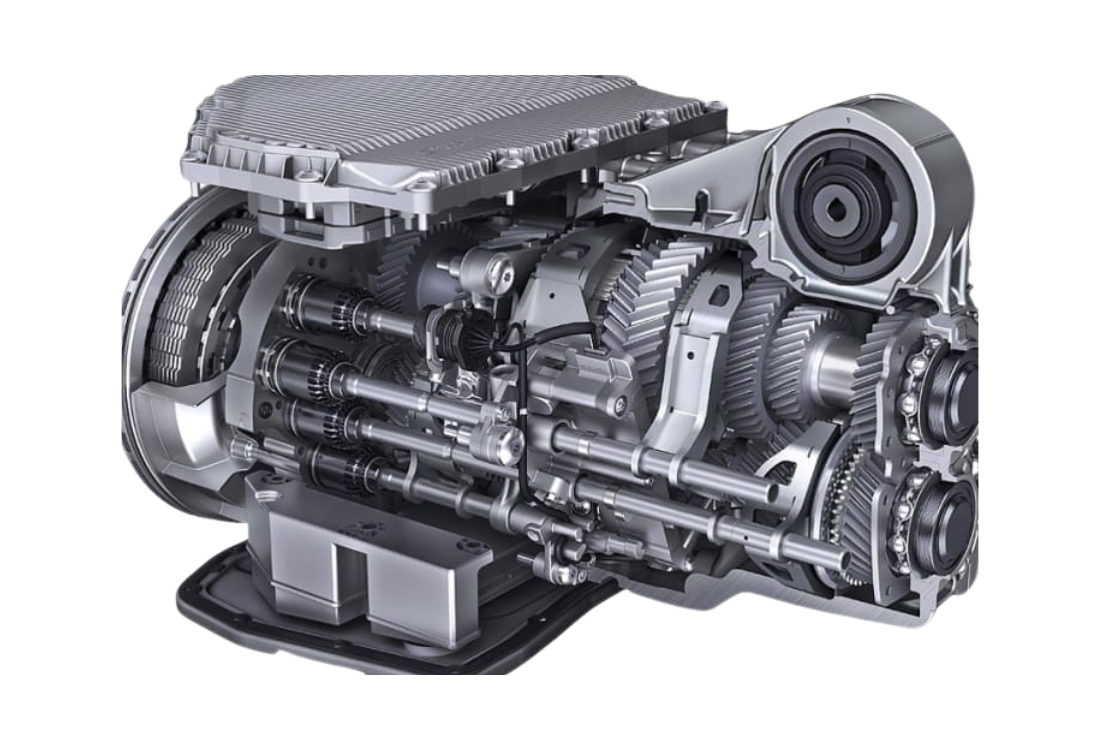
Porsche debuted PDK tech in the late 2000s, promising an unmatched blend of manual control and automated convenience. It wowed enthusiasts with rapid fire shifts and a pure connection to the engine. A small minority complained about chattering in daily traffic, reminding us that high-performance units can be finicky at low speeds.
Have a Problem?
Common Problems With PDK (Porsche Dual-Clutch)
Common PDK (Porsche Dual-Clutch) Problems
PDK is Porsche’s performance-oriented DCT, valued for lightning-fast gear changes. Intensive usage can introduce specific shortcomings.
Aggressive Downshift Shock
Diving from high speeds to a lower gear can cause a sudden jolt, especially if performed at near-redline RPM.
Potential Causes: Rapid friction engagement, servo reaching torque limits, TCM not fully smoothing the rev match.
Heat Build-Up in Repeated Hard Driving
The dual clutches can overheat if the car endures full-throttle laps or repeated launch control events.
Potential Causes: Exceeding cooling capacity, friction surfaces meeting peak thermal stress, or partial fluid breakdown.
Low-Speed Grabbiness
City driving or parking maneuvers can feel jumpy, as the clutch engages abruptly in first gear.
Potential Causes: Performance tuning, minimal slip tolerance, or older TCM calibration focusing on track performance over urban comfort.
Occasional Electrical Fault Codes
Software or sensor anomalies might trigger warnings, limiting gear availability until cleared.
Potential Causes: Mechatronic controller glitch, solenoid misfire, or failing speed sensor.
Maintenance Recommendations
Frequent fluid and filter changes (particularly if tracked) help preserve shift crispness. Upgraded cooling solutions or driving intervals to cool the transmission can avert overheating. If uncharacteristic slip or trouble codes appear, advanced diagnostic steps are crucial.
Popular Cars with this Gearbox

Porsche 911 Turbo S
Building on the 911 legacy, the Turbo S variant catered to those desiring supercar-level acceleration with daily usability. Introduced in the 1970s as the “Turbo,” it evolved into the Turbo S badge in the 1990s, boasting increased power and track-ready tweaks. UK enthusiasts prized its near-instant throttle response, advanced all-wheel drive, and refined cockpit, making it a top pick for drivers wanting superlative performance plus 911 familiarity.
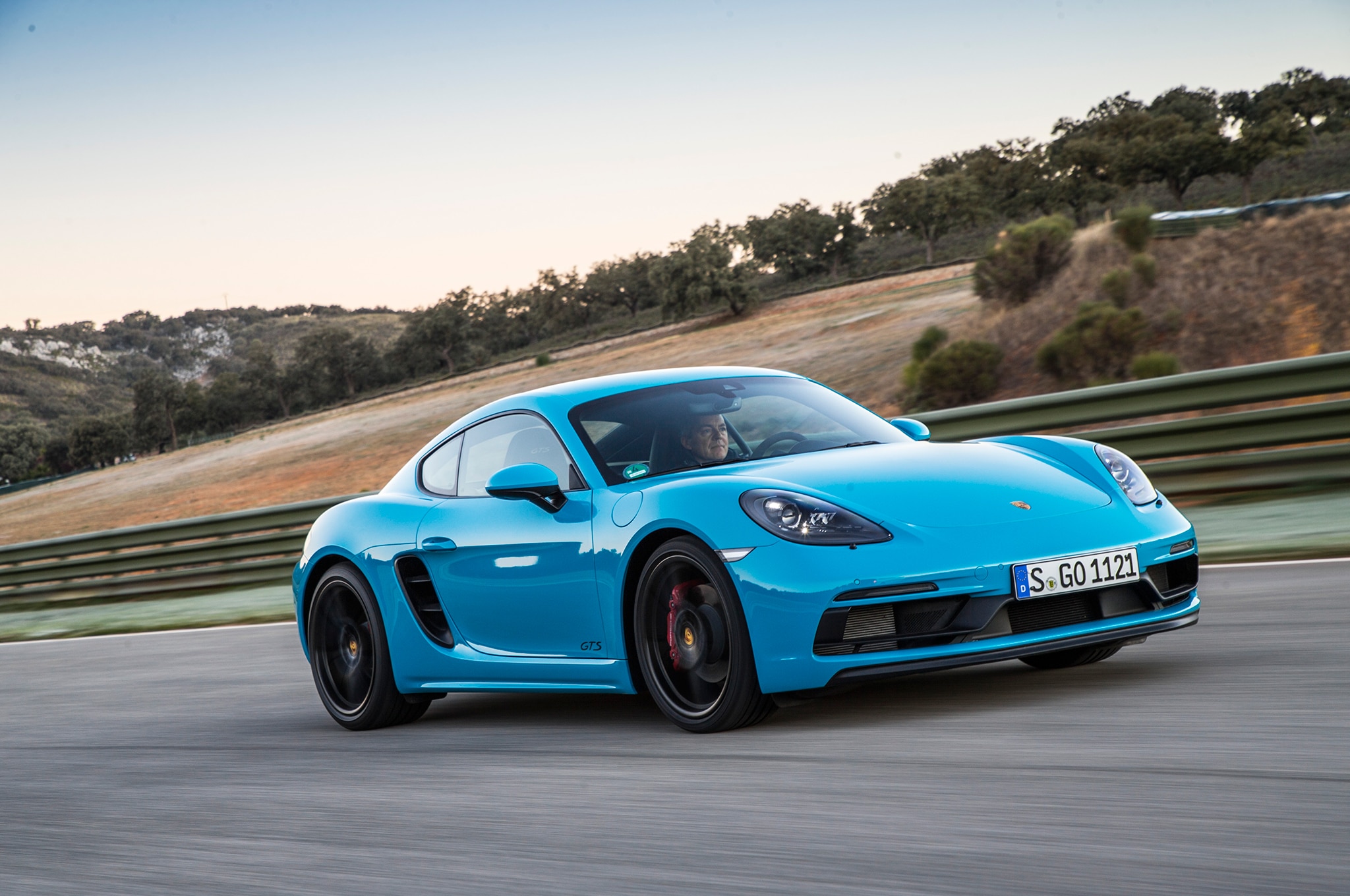
Porsche Cayman
In its later 718 iteration from 2016 onward, the Cayman adopted turbocharged four-cylinder engines for improved efficiency and torque. This change sparked debate among enthusiasts, but it still delivered precise handling and a balanced mid-engine layout. UK buyers continued to see it as a top-tier driver’s car, benefiting from Porsche’s incremental enhancements to suspension, infotainment, and safety tech each model year.
Is Your Vehicle Included?
Cars Using the PDK (Porsche Dual-Clutch)
Porsche: 911 (various generations), 718 Cayman, 718 Boxster, Macan, Panamera
Have a question?
Frequently asked questions
How much will it cost to repair my gearbox?
It’s difficult to provide a definitive answer without a proper diagnostic, as the cost of a gearbox repair can vary depending on several factors. The make and model of the car, as well as the type of gearbox, can significantly impact the cost.
If you’re experiencing issues with your gearbox, the best course of action is to contact one of our specialist team who will be able to provide you with an initial quotation.
What causes a gearbox to become faulty?
There are several factors that can contribute to a gearbox becoming faulty. Some of the most common causes include:
-
Lack of maintenance: Regular maintenance, including changing the gearbox oil and replacing worn parts, can help prevent damage to the gearbox.
-
Wear and tear: Over time, the gears and other components of the gearbox can become worn, leading to issues such as grinding or difficulty shifting.
-
Overheating: Excessive heat can damage the gearbox and cause it to fail. This can be caused by a variety of factors, including driving at high speeds for extended periods or towing heavy loads.
-
Contamination: Dirt, debris, or other contaminants can get into the gearbox and cause damage to the gears and bearings.
-
Manufacturer defects: In some cases, the gearbox may have been manufactured with a defect that causes it to fail prematurely.
Can I still drive my car if the gearbox is acting strange?
It’s not recommended to continue driving your car if you’re experiencing problems with the gearbox. While you may be able to drive for a short time, ignoring the issue could result in more severe damage to the gearbox and other components of your vehicle.
Continuing to drive with a faulty gearbox could also turn a simple repair into a more complex and expensive one. In some cases, driving with a damaged gearbox could lead to complete gearbox failure, which could result in extensive damage and costly repairs.
If you’re experiencing issues with your gearbox, it’s important to have it diagnosed and repaired by a professional as soon as possible.
Get an initial quote today.
Enter your information and one of our specialists will be in touch.
Contact us
submit an enquiry