

Hyundai i10 Common Gearbox Problems
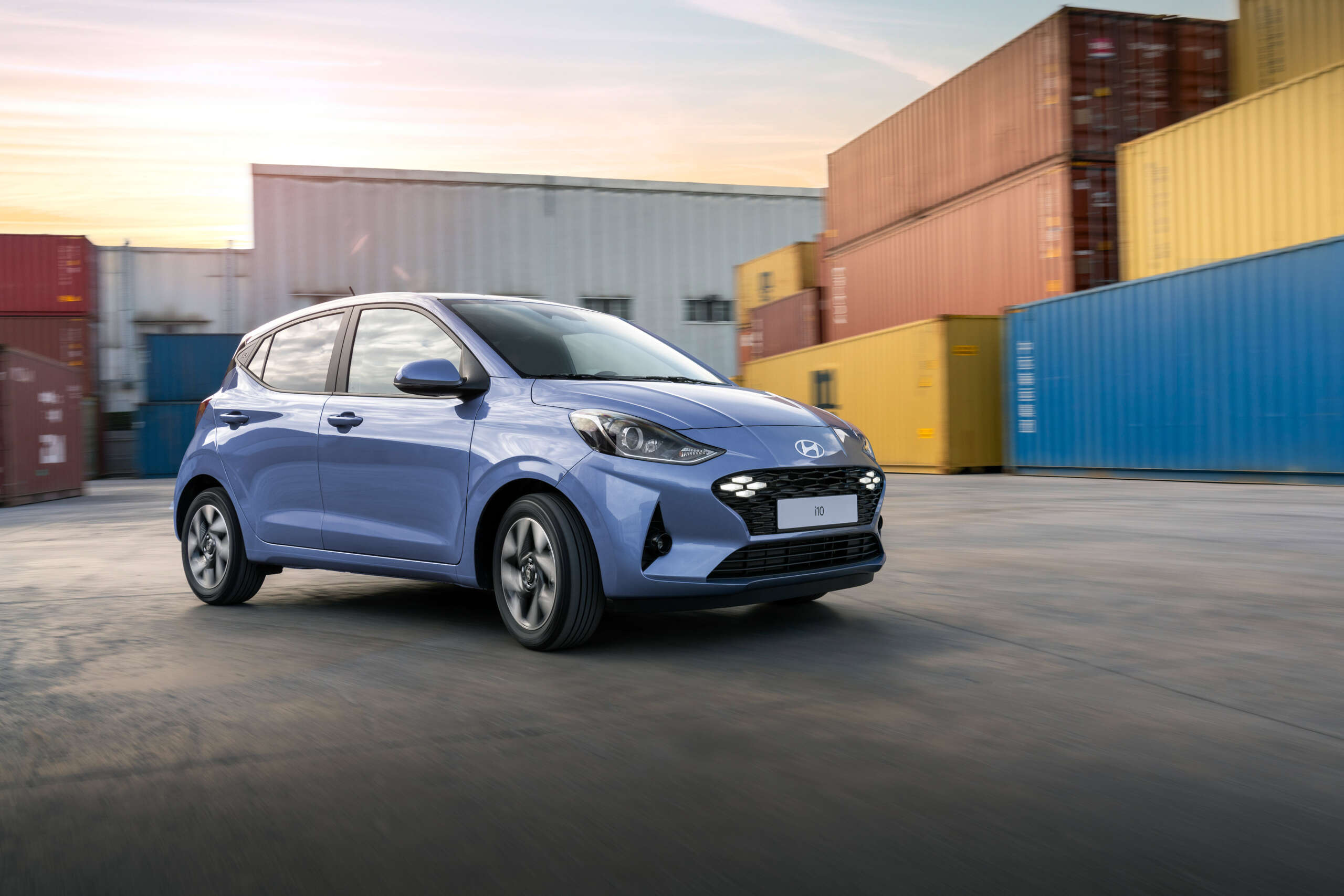
The Hyundai i10 has been a popular choice for those seeking a compact yet versatile city car. Known for its practicality and efficiency, the i10 offers a choice between a 5-speed manual gearbox and an automatic version with either a 4-speed auto or the newer 5-speed AMT gearbox. The manual version provides a more engaging driving experience, perfect for those who enjoy a hands-on approach to driving. Meanwhile, the automatic options cater to those who prioritise convenience and ease of use, making city driving a breeze. Inside, the i10 surprises with its spaciousness and thoughtful design, ensuring comfort for both driver and passengers. Whether navigating urban streets or embarking on longer journeys, the Hyundai i10 delivers a reliable and enjoyable ride.
Hyundai (i10) 4-speed auto / 5-speed AMT (newer) Faults & Repairs Common Problems
The Hyundai i10, while generally well-regarded, has had some reported issues with its automatic gearboxes, specifically the 4-speed auto and the newer 5-speed AMT. Below is a list of the most common problems associated with these gearboxes.
- Delayed Gear Engagement – Often caused by low transmission fluid or worn components, leading to a noticeable delay when shifting from park to drive or reverse.
- Jerky Shifts – Typically due to a malfunctioning transmission control module or worn clutch plates, resulting in rough or abrupt gear changes.
- Transmission Slipping – Occurs when the transmission unexpectedly shifts gears, often due to worn bands or low fluid levels.
- Overheating – Caused by insufficient cooling or low fluid levels, leading to increased wear and potential transmission failure.
- Fluid Leaks – Often due to damaged seals or gaskets, resulting in visible fluid under the vehicle and potential transmission damage.
- Torque Converter Issues – Can cause shuddering or slipping, often due to worn bearings or a failing torque converter clutch.
- Grinding or Whining Noises – Typically indicate worn gears or bearings, requiring inspection and potential replacement of affected components.
- Check Engine Light – May illuminate due to transmission-related issues, necessitating diagnostic scanning to identify specific fault codes.
- Stuck in Gear – Often caused by a faulty solenoid or linkage issue, preventing the transmission from shifting out of a particular gear.
- AMT Control Unit Failure – Can lead to erratic shifting or failure to engage gears, often requiring reprogramming or replacement of the control unit.
Hyundai (i10) 5-speed manual Faults & Repairs Common Problems
The Hyundai i10, while popular for its compact design and efficiency, has had some reported issues with its 5-speed manual gearbox. Owners have shared various concerns that can affect the driving experience. Below is a list of the most common problems associated with the i10’s manual transmission.
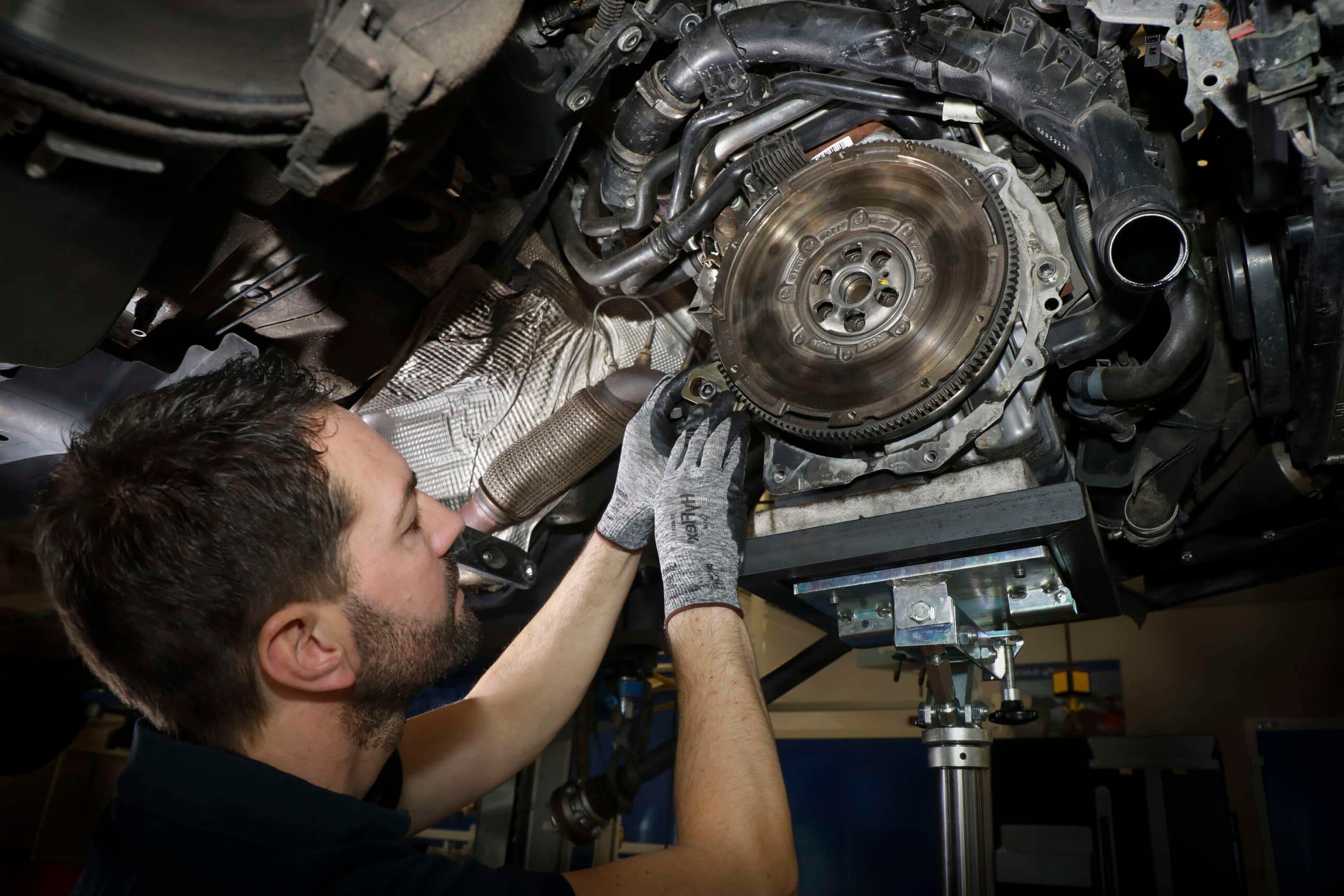
- Clutch Wear – Premature clutch wear is common in city driving, leading to slipping, difficulty changing gears, or a spongy clutch pedal.
- Hard Gear Shifting – Stiff gear changes often result from worn synchronizers or clutch issues, making it difficult to engage gears smoothly.
- Notchy Gear Changes – Notchy or difficult gear changes can occur due to worn synchros or gearbox bearings, affecting driving comfort.
- Low Gearbox Oil – Insufficient or old gearbox oil can lead to increased friction, causing hard shifts and potential gearbox damage.
- Worn Synchros – Worn synchronizers can cause grinding noises during gear changes, especially when shifting quickly or under load.
- Spongy Clutch Pedal – A spongy clutch pedal often indicates air in the hydraulic system or a failing clutch master cylinder.
- Clutch Slipping – Clutch slipping at higher speeds can result from worn clutch components, reducing power transfer to the wheels.
- Difficulty Engaging Gears – Difficulty engaging gears may be due to a misaligned clutch or worn linkage components, requiring adjustment or replacement.
- Gearbox Bearing Wear – Worn gearbox bearings can cause whining noises in certain gears, indicating the need for a rebuild or replacement.
- Delayed Gear Engagement – Delayed gear engagement can occur due to worn clutch components or low gearbox oil, affecting acceleration and performance.
Common Hyundai i10 Gearbox Issues
If your vehicle is experiencing any of the below symptoms, it is highly recommended to have your vehicle diagnosed before it causes further damage internally or to other components within the gearbox system.
- Unable to select gears / drive / reverse
- Jerking in gears / dropping out of gears
- Burning smell from gearbox/clutches
- The gearbox warning light illuminated on the dashboard
- Whining / crunching / humming noises
- TCM / Mechatronic error codes
Hyundai i10 Gearbox Repair Benefits
We offer customers a range of benefits when it comes to repairing their gearboxes. With cost-effective repair services, our team of highly skilled technicians are well-versed in repairing various types of gearboxes, making them capable of handling repairs for all makes and models.
 Low costSave up to 60% off main dealer prices with repairs, rebuilds, and reconditioning. |  All makes & modelsAutomatic, CVT, DSG, S-Tronic, Powershift, ZF and many more automatic types repaired. |
 Skilled techniciansOur team is highly skilled and has experience with repairs on almost every type of automatic gearbox. |  Warranty ProvidedAll types of repair come with a 12-month / 12,000-mile warranty. |
For a fast, no-obligation quote, please fill out the form below, and we will get the process of getting you back on the road underway!
Get an initial quote today.
Enter your information and one of our specialists will be in touch.
Contact us
submit an enquiry