

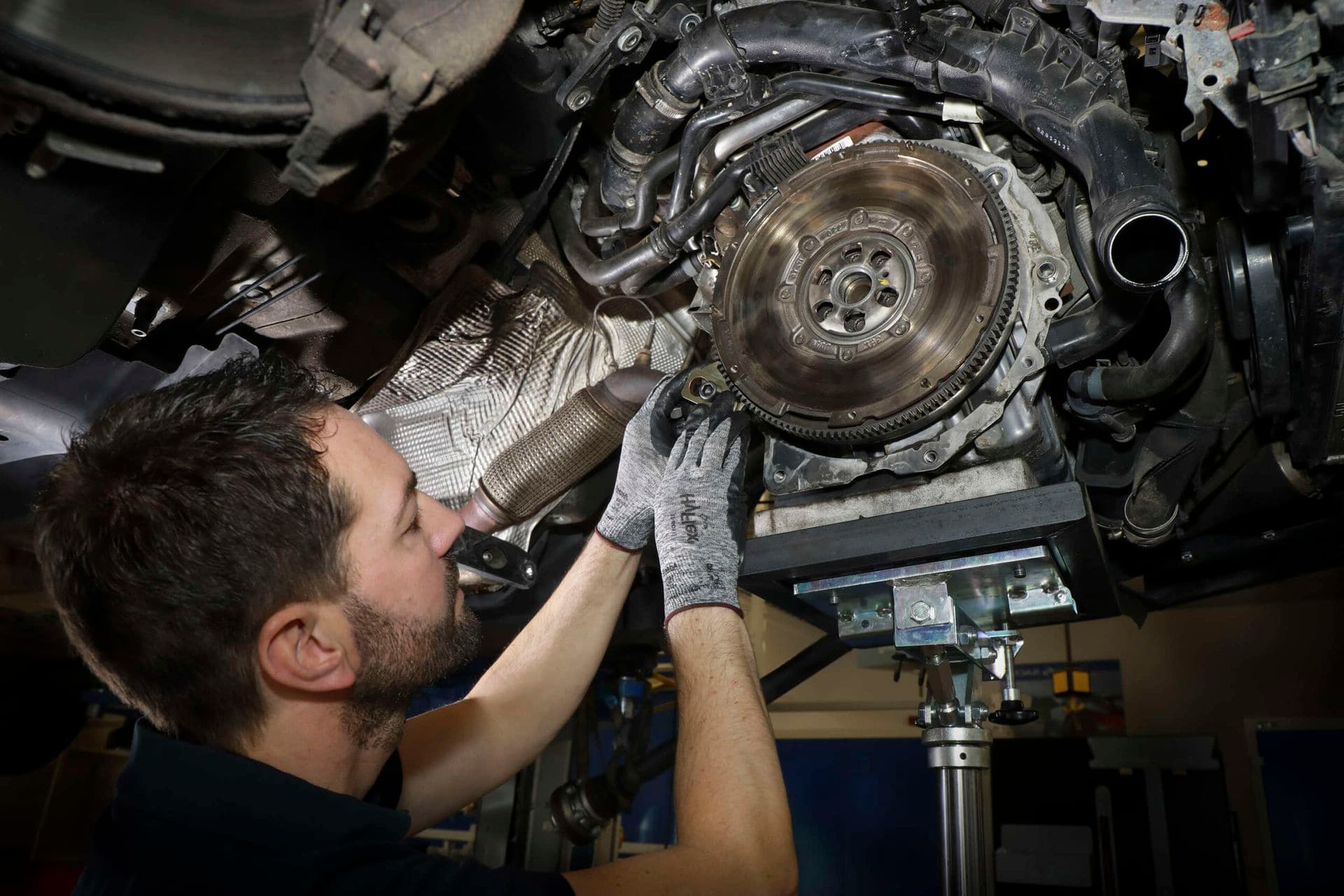
e-CVT (Toyota Hybrid Models)
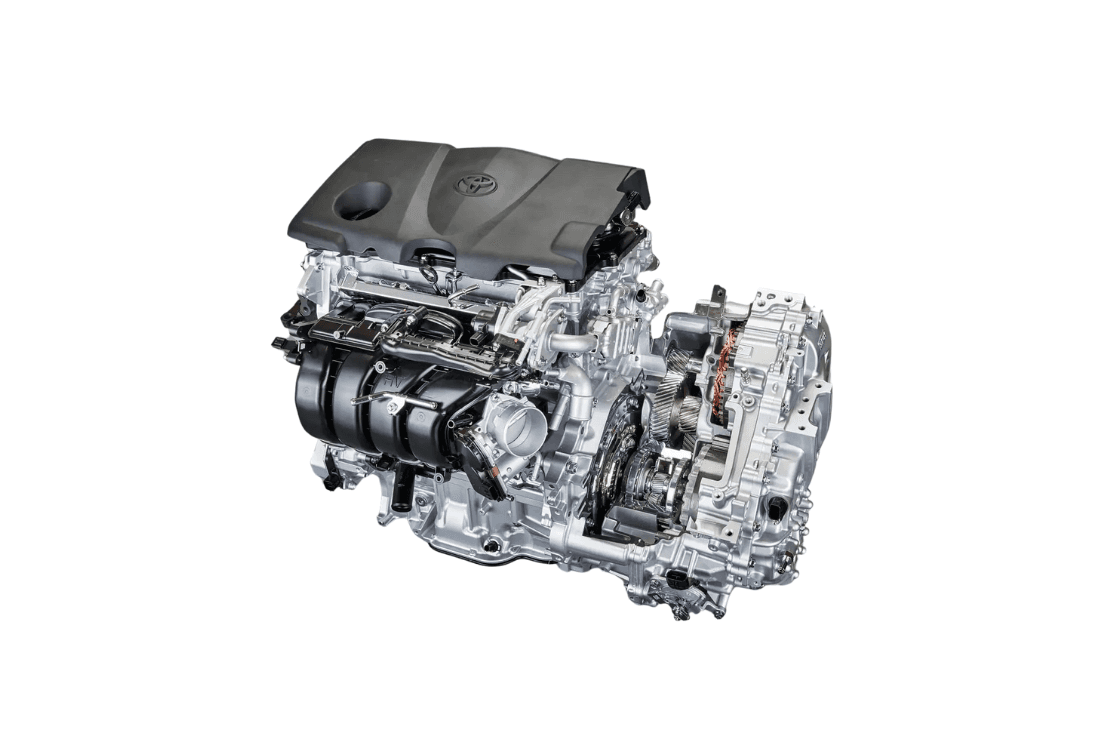
Toyota’s e-CVT arrived with the first Prius in the late 1990s, promising a groundbreaking hybrid experience. Early adopters loved the seamless transitions and excellent fuel gains. Some found the constant high revs off-putting under hard acceleration, revealing the trade-off in pursuit of maximum efficiency.
Have a Problem?
Common Problems With e-CVT (Toyota Hybrid Models)
Common e-CVT (Toyota Hybrid) Problems
In Toyota hybrids, the “e-CVT” uses planetary gearsets to blend engine and electric motor power. It’s famously reliable, but not fully immune to issues.
High Engine Rev Noise
Drivers sometimes complain about elevated revs during acceleration, a normal trait but can feel excessive if the system struggles with load.
Potential Causes: Battery state-of-charge limiting electric assist, or a weaker internal synergy drive motor over time.
Transition Hesitation (Engine to Motor)
A small hiccup may occur when the system switches between pure EV mode and engine-on mode, though typically brief.
Potential Causes: Temperature-based strategy, software balancing emissions compliance, or partial sensor misread.
Battery or Inverter Overheating
Under heavy load or extended climbs, the hybrid powertrain can heat up, prompting reduced performance or warnings.
Potential Causes: Restricted cooling vents, older battery modules losing capacity, or inverter stress from repeated full-throttle demands.
Occasional Power Loss in Extreme Conditions
If the battery is near empty or overheated, the system may cut back on electric assistance, creating sluggish acceleration.
Potential Causes: Battery thermal management limitations, inverted logic trying to protect hardware, or a low coolant volume.
Maintenance Recommendations
Regular checks of hybrid coolant systems and battery vent cleanliness are key. While Toyota’s e-CVT fluid rarely requires replacement under normal use, verifying no leaks and running system scans helps catch minor issues. Driving smoothly to keep battery temperature in check prolongs hybrid system life.
Popular Cars with this Gearbox
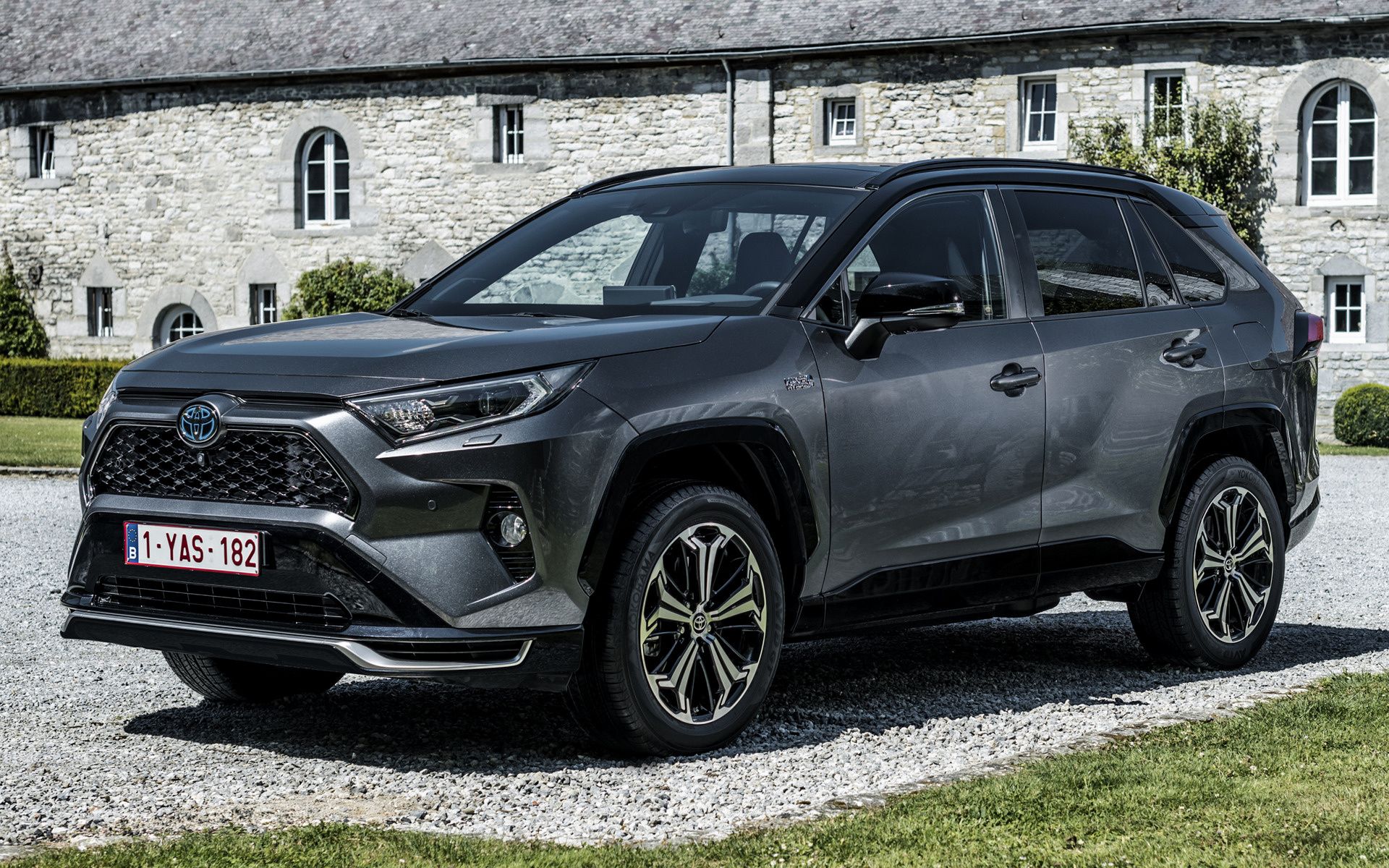
Toyota RAV4 Hybrid
The RAV4 paved the way for the compact SUV segment in the mid-1990s, but Toyota introduced the Hybrid version more recently to cater to eco-conscious drivers. UK owners liked its reliability, all-around practicality, and improved fuel economy over petrol-only models. Continual updates refined the hybrid system, making the RAV4 Hybrid a well-rounded option for families seeking an SUV with lower emissions and strong resale value.
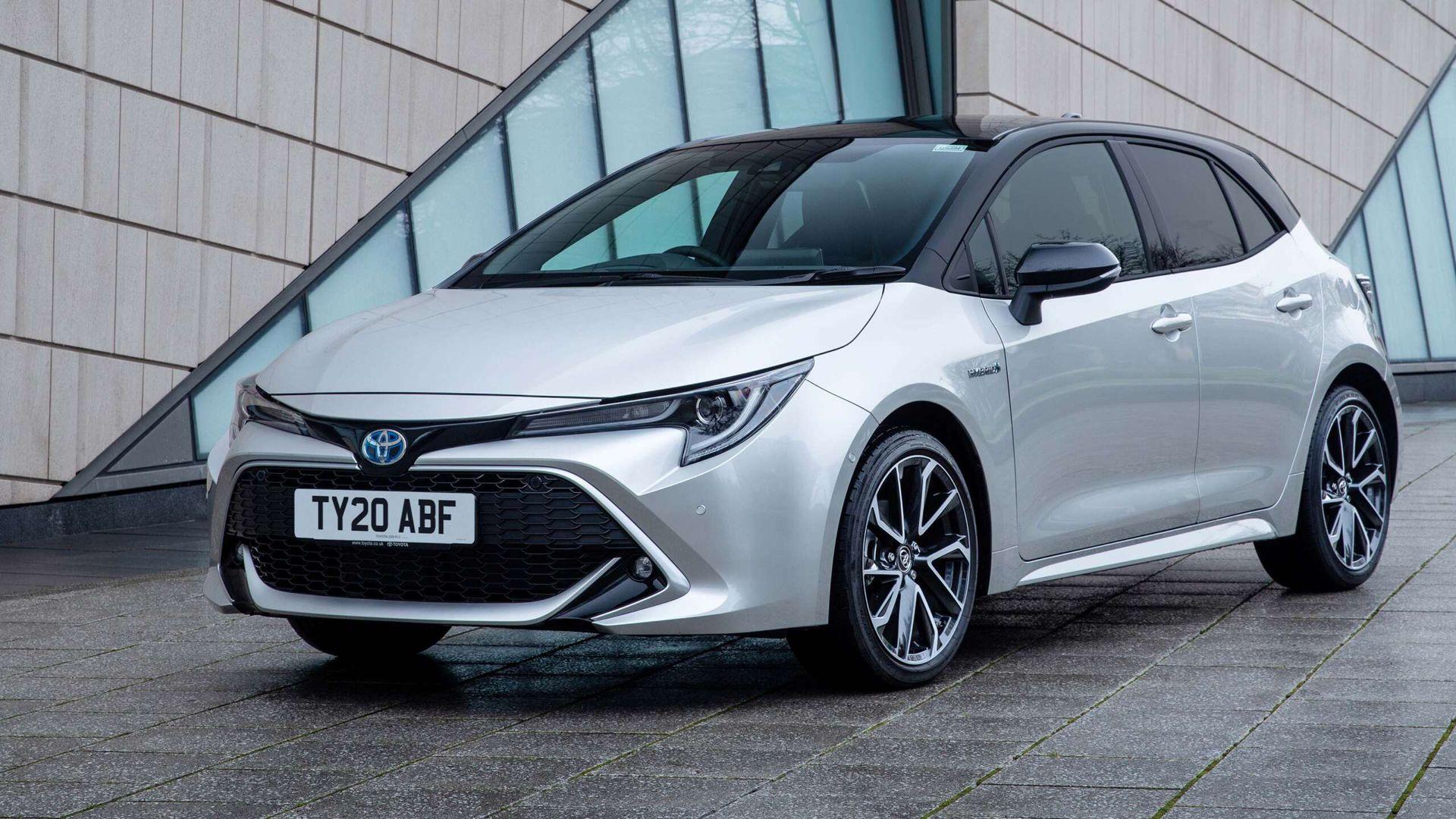
Toyota Corolla Hybrid
Toyota’s reintroduction of the Corolla name in the UK around 2019 came with strong hybrid options. British drivers who wanted reliability and low running costs found it appealing. Electric-assist boosted urban economy, and the brand’s proven hybrid powertrain ensured it served as a greener alternative to conventional rivals. Regular updates modernized in-car tech, solidifying its place among popular family hatchbacks.
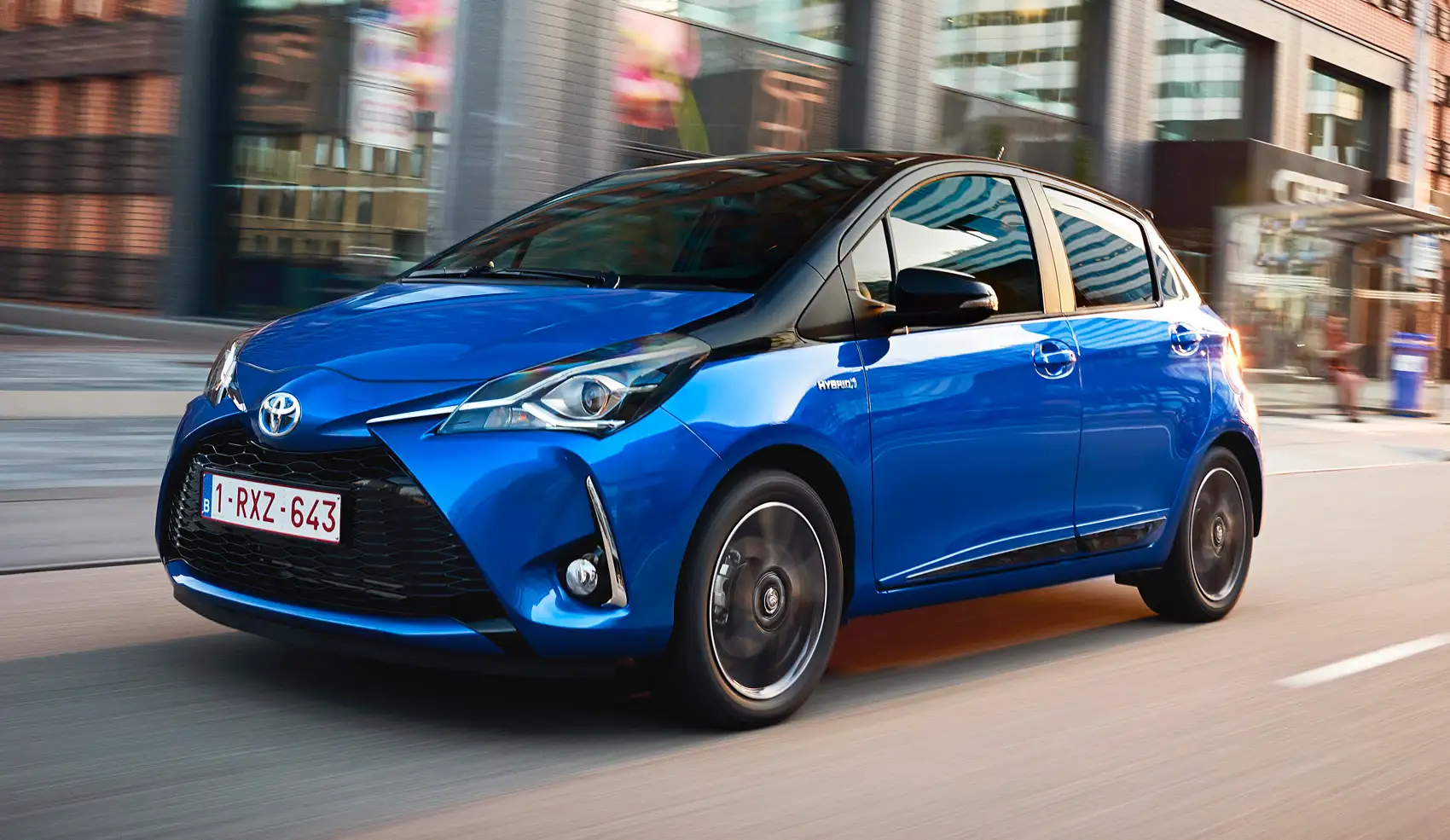
Toyota Yaris Hybrid
Launched in 2012 as a smaller hybrid sibling to the Prius, the Yaris Hybrid attracted UK city drivers aiming to cut fuel bills. Its compact dimensions, easy maneuvering, and Toyota’s dependable hybrid system resonated with eco-conscious urbanites. Regular updates improved battery efficiency and cabin features. By balancing low emissions with everyday practicality, it remained a top choice for individuals navigating busy UK streets.
Is Your Vehicle Included?
Cars Using the e-CVT (Toyota Hybrid Models)
- Toyota: Prius, Corolla Hybrid, Camry Hybrid, RAV4 Hybrid
- Lexus: ES 300h, RX 450h, NX 300h
Have a question?
Frequently asked questions
How much will it cost to repair my gearbox?
It’s difficult to provide a definitive answer without a proper diagnostic, as the cost of a gearbox repair can vary depending on several factors. The make and model of the car, as well as the type of gearbox, can significantly impact the cost.
If you’re experiencing issues with your gearbox, the best course of action is to contact one of our specialist team who will be able to provide you with an initial quotation.
What causes a gearbox to become faulty?
There are several factors that can contribute to a gearbox becoming faulty. Some of the most common causes include:
-
Lack of maintenance: Regular maintenance, including changing the gearbox oil and replacing worn parts, can help prevent damage to the gearbox.
-
Wear and tear: Over time, the gears and other components of the gearbox can become worn, leading to issues such as grinding or difficulty shifting.
-
Overheating: Excessive heat can damage the gearbox and cause it to fail. This can be caused by a variety of factors, including driving at high speeds for extended periods or towing heavy loads.
-
Contamination: Dirt, debris, or other contaminants can get into the gearbox and cause damage to the gears and bearings.
-
Manufacturer defects: In some cases, the gearbox may have been manufactured with a defect that causes it to fail prematurely.
Can I still drive my car if the gearbox is acting strange?
It’s not recommended to continue driving your car if you’re experiencing problems with the gearbox. While you may be able to drive for a short time, ignoring the issue could result in more severe damage to the gearbox and other components of your vehicle.
Continuing to drive with a faulty gearbox could also turn a simple repair into a more complex and expensive one. In some cases, driving with a damaged gearbox could lead to complete gearbox failure, which could result in extensive damage and costly repairs.
If you’re experiencing issues with your gearbox, it’s important to have it diagnosed and repaired by a professional as soon as possible.
Get an initial quote today.
Enter your information and one of our specialists will be in touch.
Contact us
submit an enquiry