

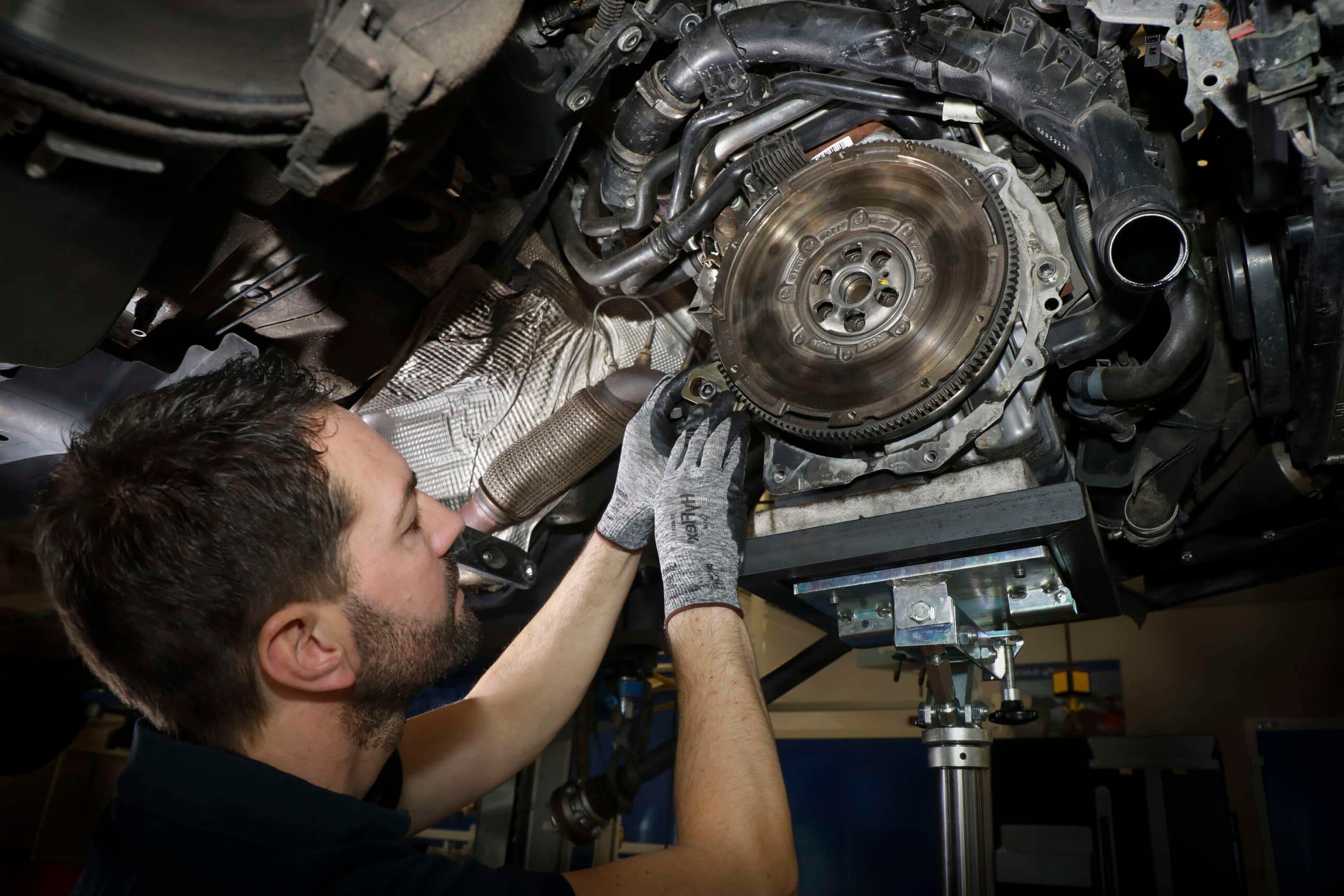
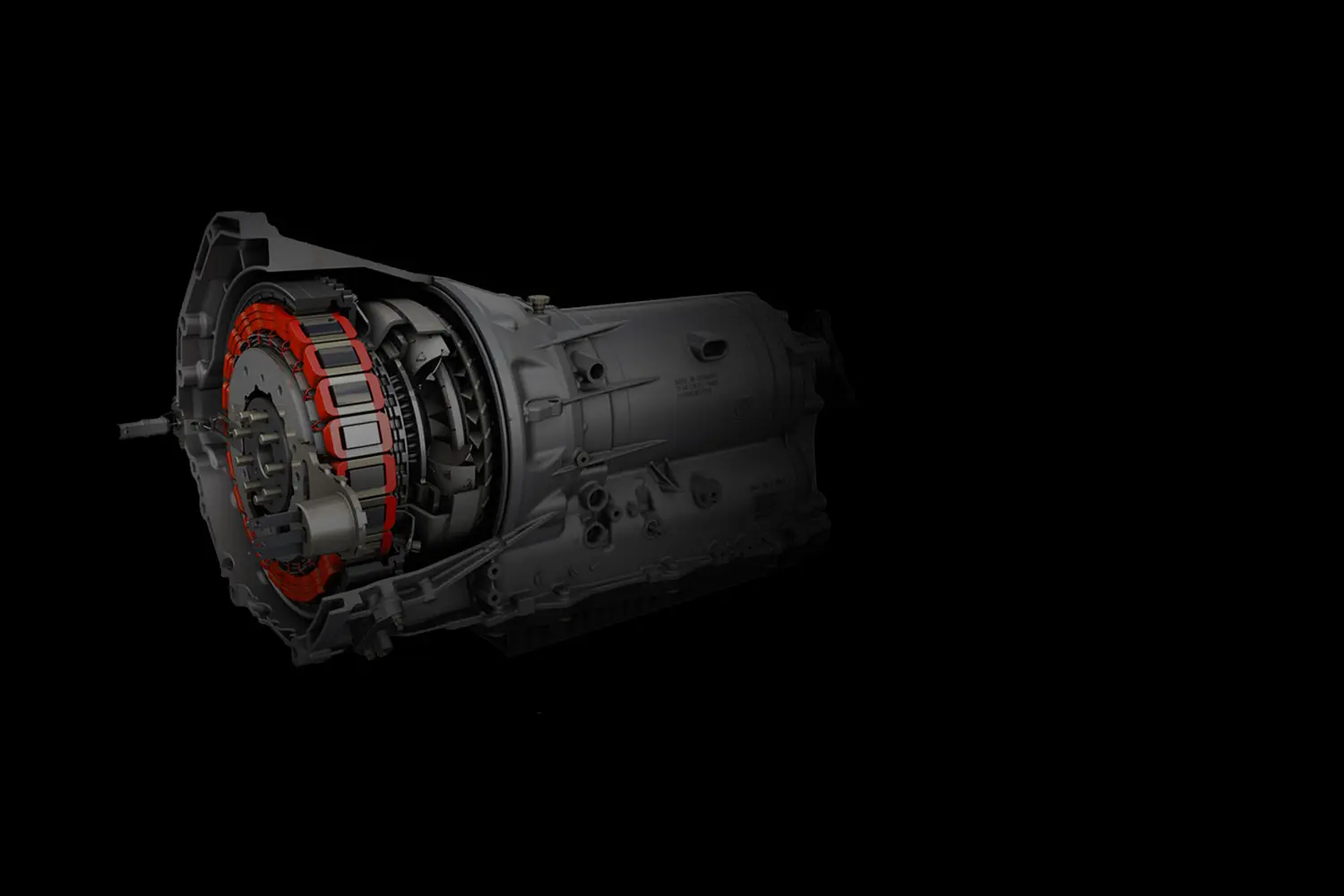
DSG (Dual-Clutch, VW Group – 6/7-Speed)
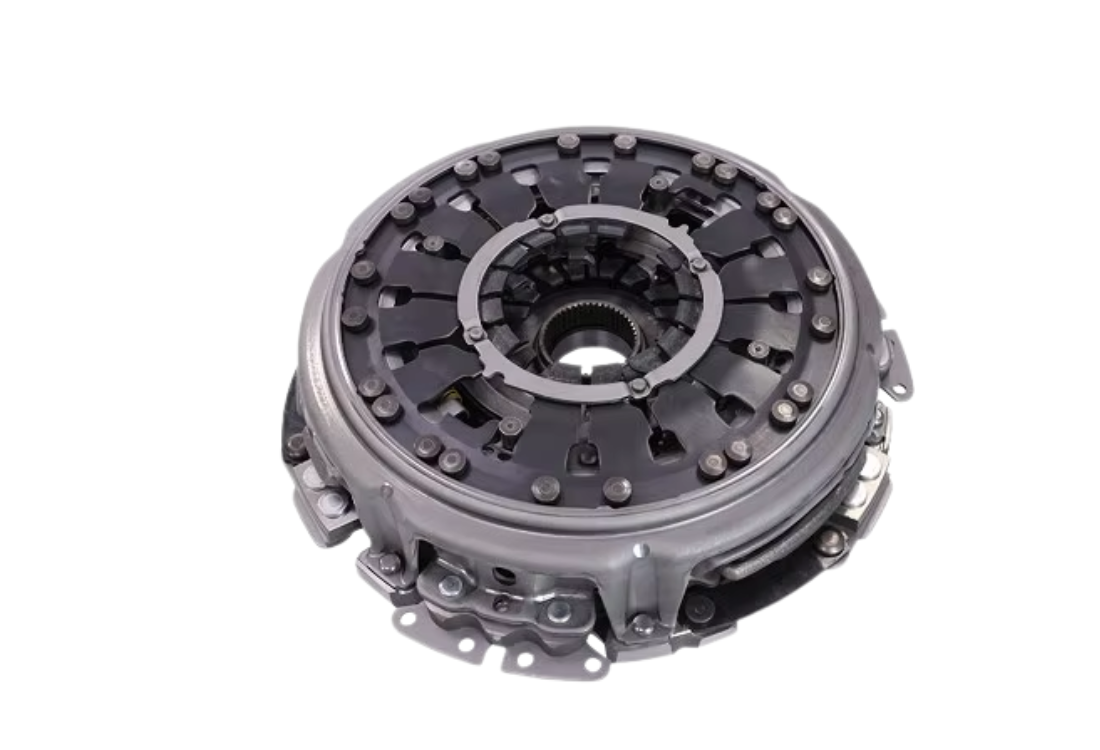
The DSG dual-clutch from VW Group launched in the early 2000s, promising lightning-fast gear changes and improved fuel economy. Enthusiasts praised its quick shifts and sporty feel. As the miles piled on, some drivers began noticing jerky takeoffs and hefty repair costs, showing that even cutting-edge tech can have downsides.
Have a Problem?
Common Problems With DSG (Dual-Clutch, VW Group - 6/7-Speed)
Common DSG (Dual-Clutch) Problems
Volkswagen’s DSG uses two clutches for odd and even gears, delivering quick shifts. However, it can develop quirks that impact drivability.
Clutch Judder and Shudder
Jerky starts or vibrations at low speeds are frequently tied to clutch-pack wear or contamination. Prolonged city driving accelerates friction disc deterioration.
Potential Causes: Dry clutch design (DQ200), heat stress, or delayed fluid service intervals.
Mechatronic Unit Faults
The mechatronic unit governs gear selection and clutch engagement. If it malfunctions, expect harsh changes, difficulty selecting gears, and occasional warning lights.
Potential Causes: Electro-hydraulic solenoid failures, TCU software glitches, debris in valve channels.
Overheating in Stop-Start Traffic
DSGs can run hot when repeatedly creeping forward in congestion. Some models trigger warnings or limp mode if temperatures climb too high.
Potential Causes: Insufficient cooling design, extended half-clutch operation, fluid breakdown.
Hard Shift from Reverse to Drive
Drivers may notice abrupt engagement or a slight delay when switching directions, often tied to clutch synchronization challenges.
Potential Causes: Clutch actuator hesitation, sensor misalignment, outdated TCM firmware.
Maintenance Recommendations
Timely fluid and filter changes using the OEM-specified fluid are crucial. Mechatronic software updates can resolve shift irregularities. If persistent juddering or gear selection faults appear, a specialist inspection is advised before severe clutch damage occurs.
Popular Cars with this Gearbox
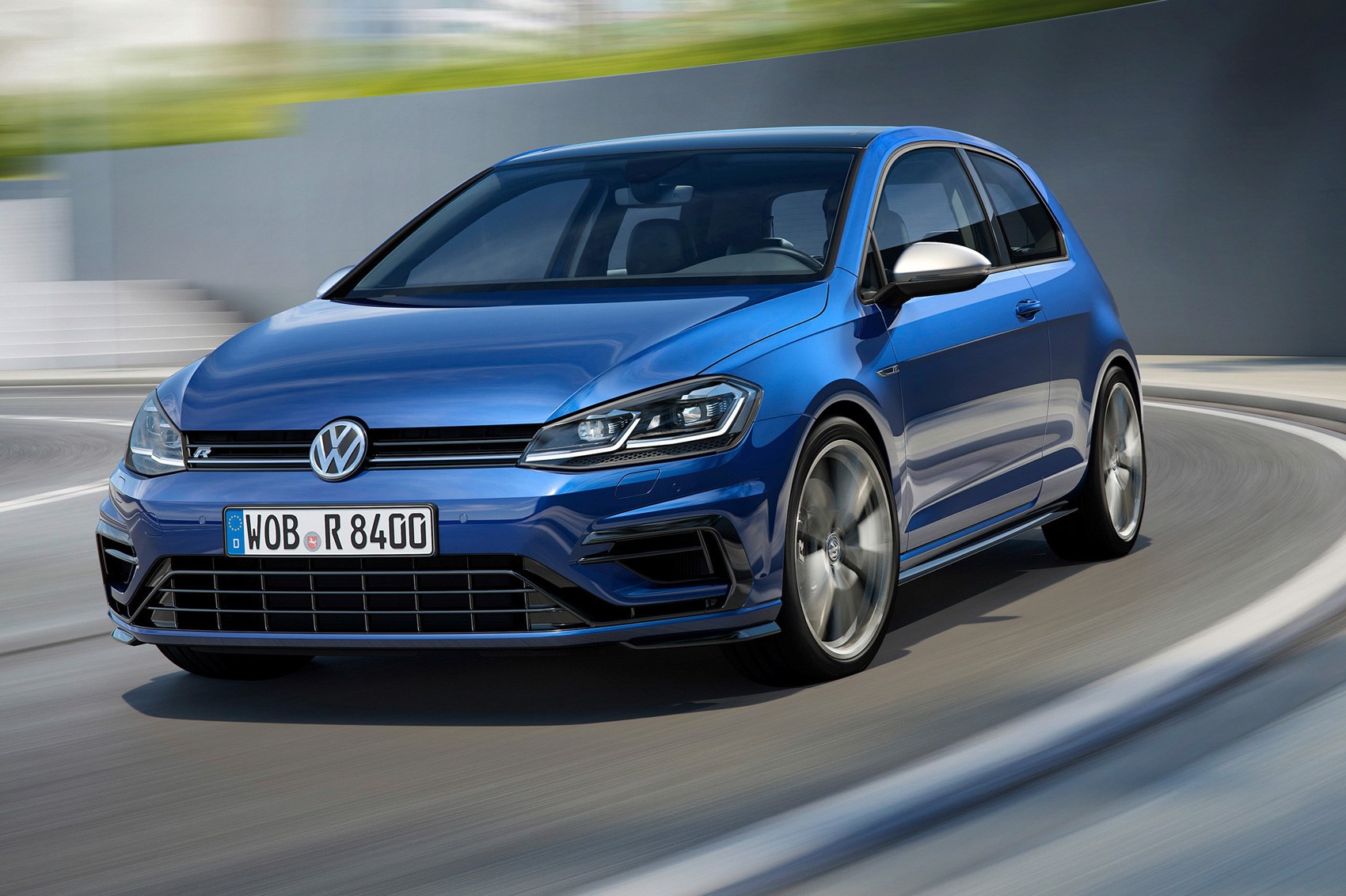
Volkswagen Golf
Dating back to the mid-1970s, the Volkswagen Golf carved a reputation as a dependable hatchback that balanced everyday practicality with solid engineering. Through multiple generations, UK drivers appreciated its efficient engines, comfortable ride, and wide range of trims. Whether for commuting or first-time ownership, the Golf’s durable build and strong resale value contributed to consistent popularity across the country.
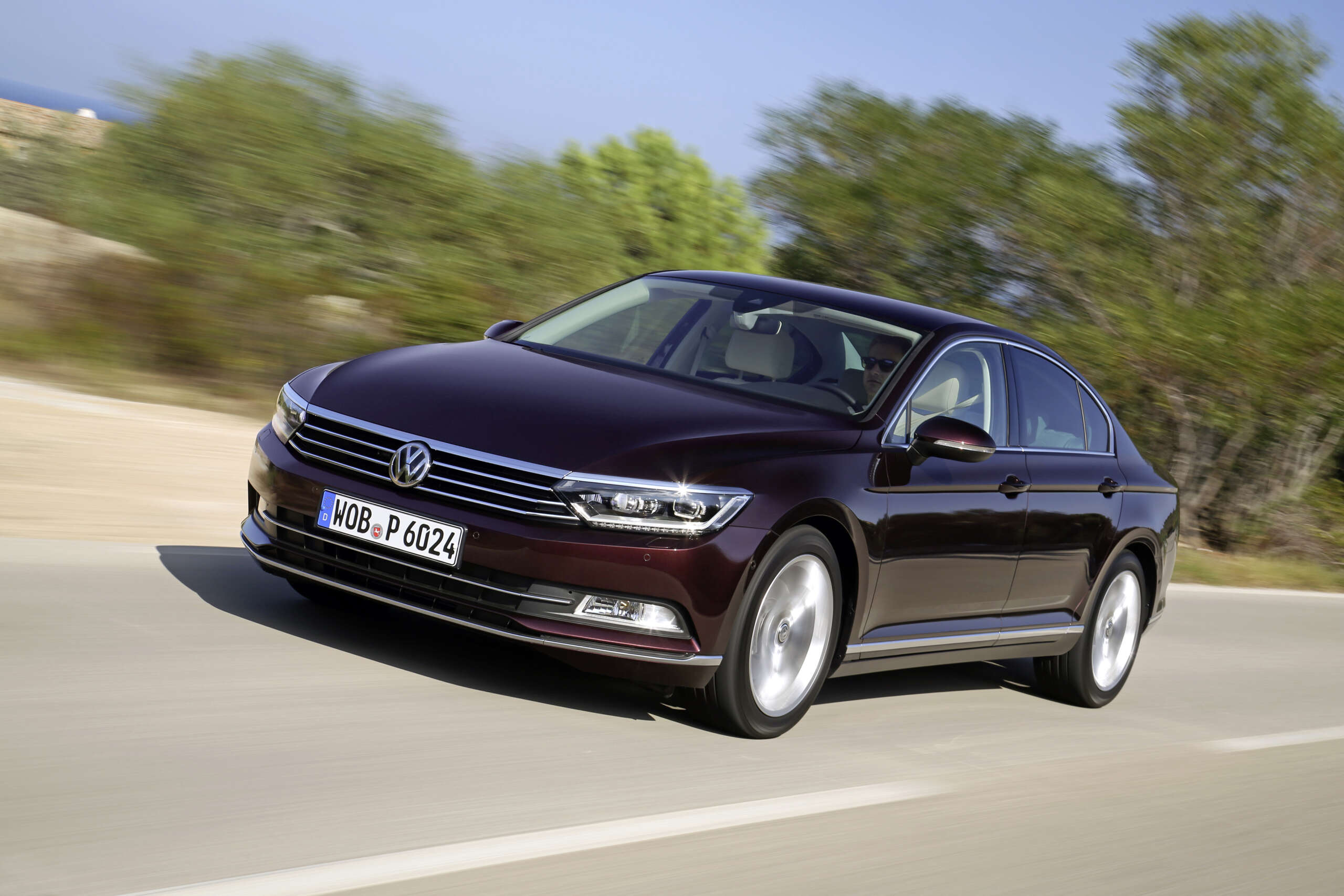
Passat
Since its 1970s origins, the Volkswagen Passat established itself as a family and fleet favorite with strong reliability and a spacious cabin. UK company car drivers often chose it for its balanced ride and efficient diesel engines. Over multiple updates, it gained advanced infotainment and driver aids, ensuring it remained a solid, understated choice for motorway commutes and daily errands.
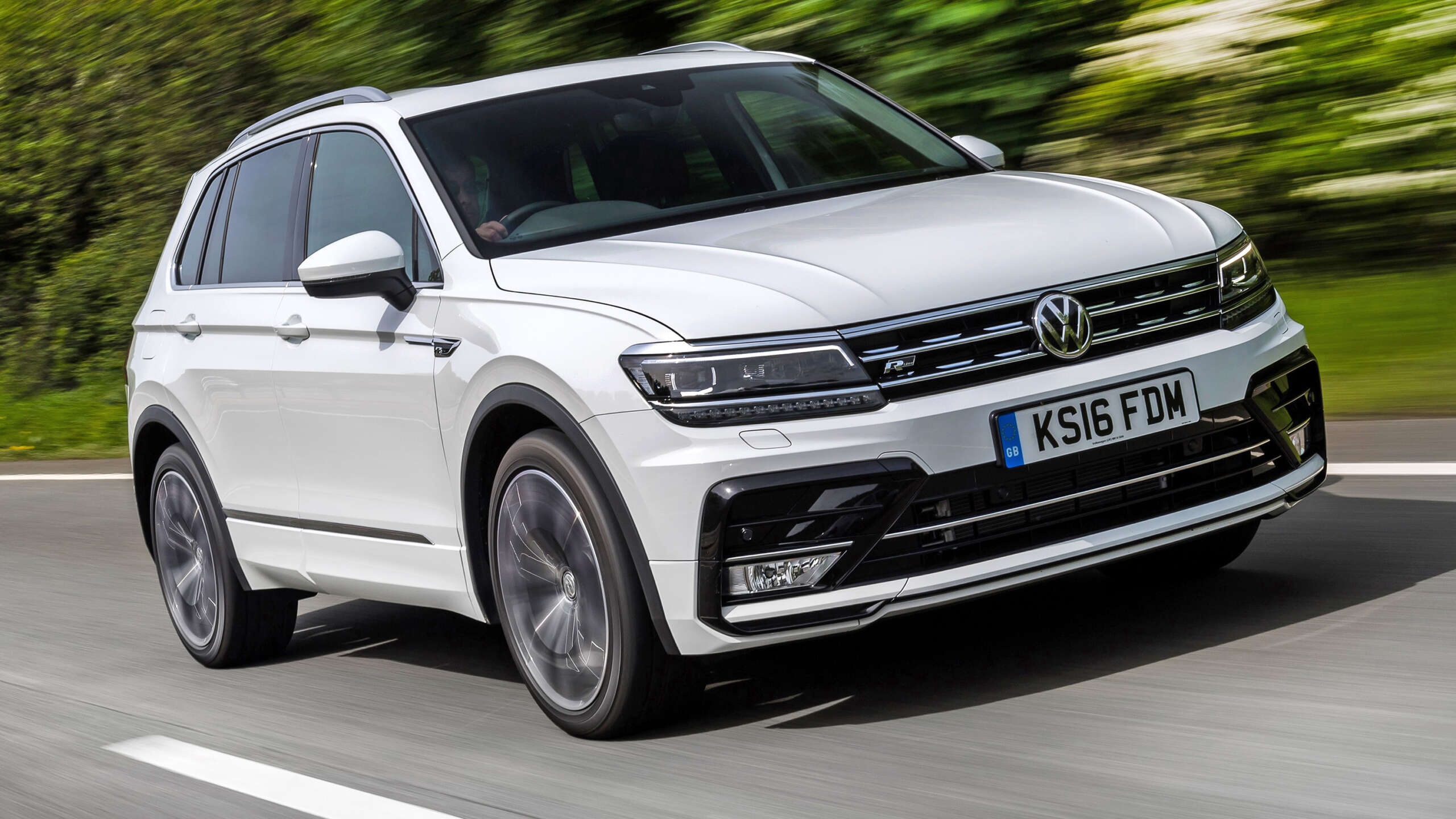
Tiguan
Introduced in 2007, the Volkswagen Tiguan hit the burgeoning compact SUV market. UK families liked the raised driving position, comfortable ride, and range of petrol or diesel engines. Multiple refreshes and an extended Allspace version provided more options. Its reputation for combining Volkswagen’s build quality with SUV practicality kept it competitive among crossovers like the Nissan Qashqai and Ford Kuga.
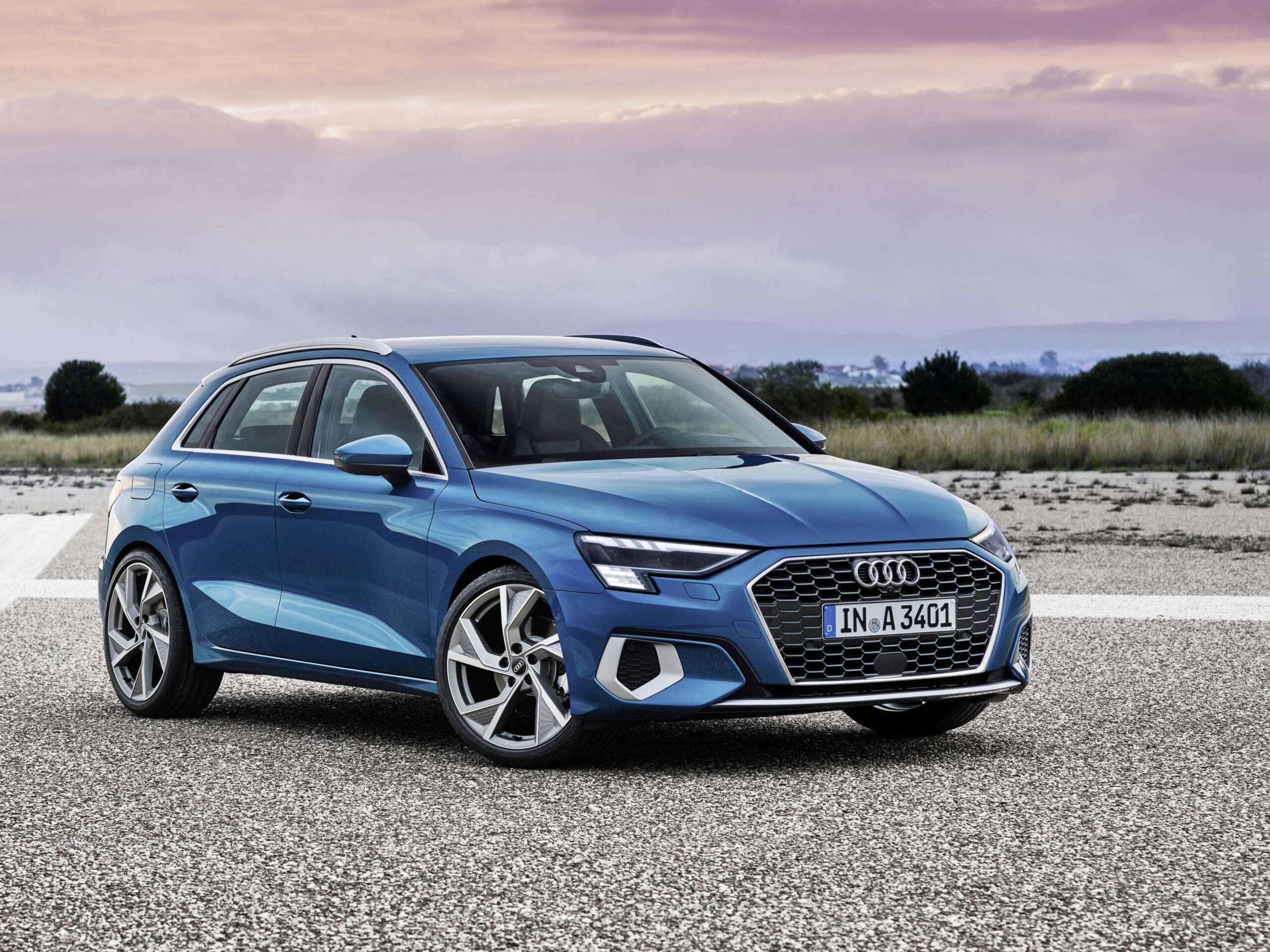
Audi A3
In later generations, especially from 2013 onward, the A3 embraced advanced infotainment (Virtual Cockpit) and introduced plug-in hybrid (e-tron) or ultra-efficient diesel variants. British city dwellers appreciated its classy design and agile handling. Regular facelifts sharpened styling and added driver-assist tech, ensuring the A3 remained a benchmark for premium compact hatchbacks and saloons in the UK.
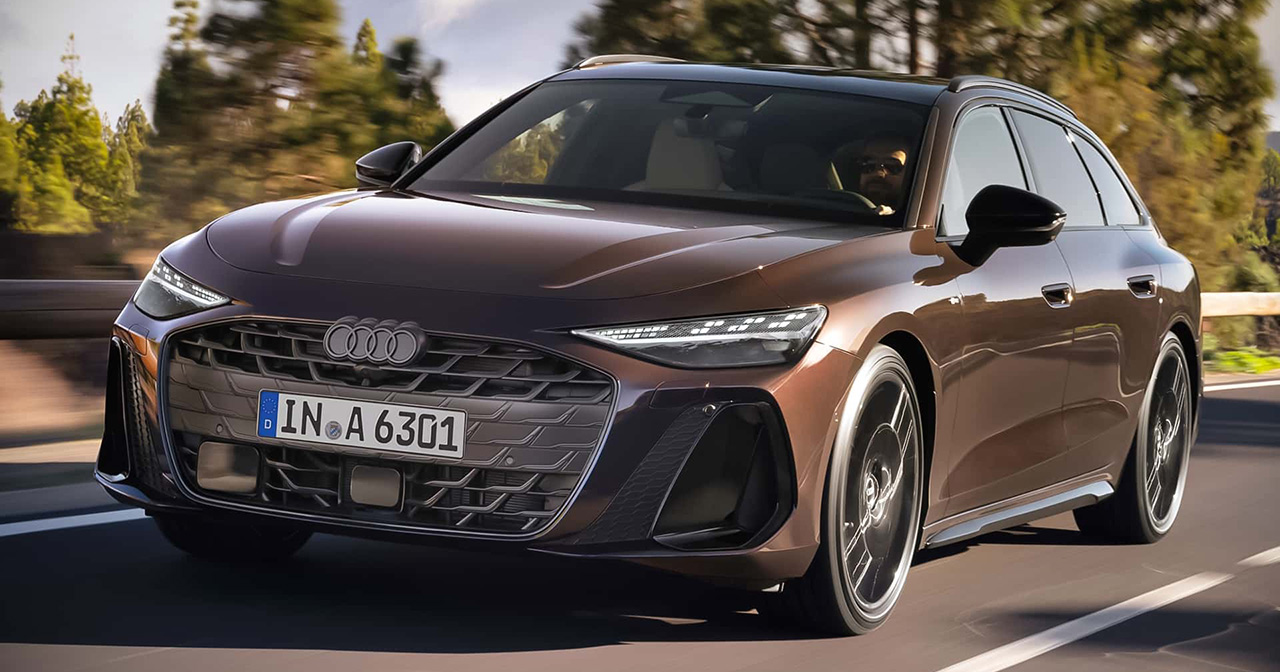
Audi A6
After 2018, the A6 introduced a cutting-edge dual-screen MMI setup and mild-hybrid technology. UK buyers relished the quiet cabin and a suite of safety features like adaptive cruise and lane assist. Estate (Avant) versions catered to families needing more cargo space. This iteration refined the interior’s upscale feel, cementing the A6’s role as a premium alternative to the BMW 5 Series and Mercedes E-Class.
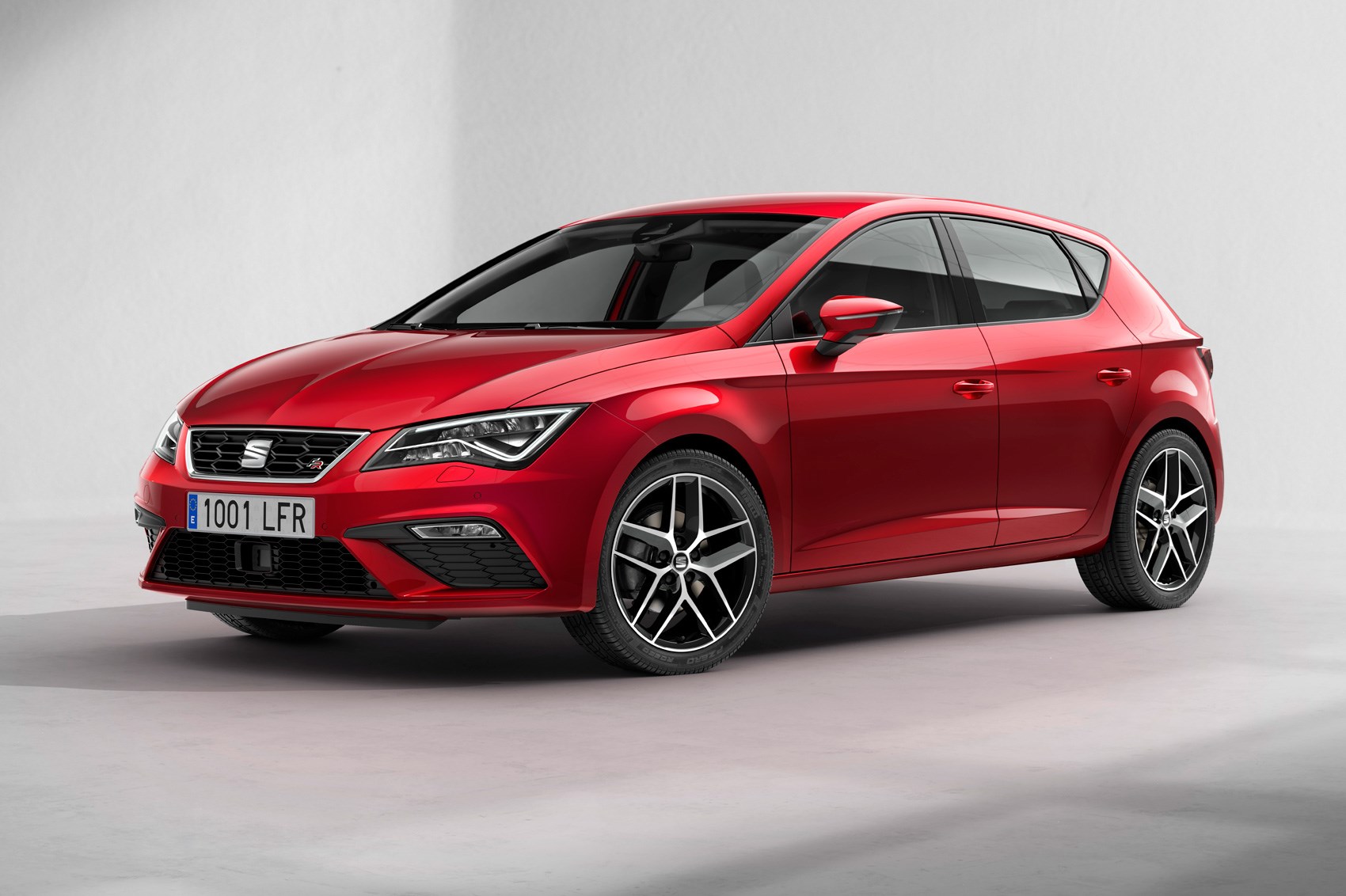
SEAT Leon
Appearing in the late 1990s, the Leon used VW Group underpinnings while featuring SEAT’s sportier flare. UK drivers noticed its enthusiastic driving dynamics and competitive pricing compared to the Golf. Generation updates brought sharper exterior lines and modern infotainment. It maintained a strong presence among those wanting the reliability of VW tech with a bit more Latin style.
Is Your Vehicle Included?
Cars Using the DSG (Dual-Clutch, VW Group - 6/7-Speed)
- Volkswagen: Golf, Jetta, Passat, Tiguan, Polo GTI (varies by region)
- Audi: A3, TT, A1 (some trims), Q2 (selected models)
- SEAT: Leon, Ibiza (sport trims), Ateca
- Škoda: Octavia, Superb, Kodiaq (certain variants)
Have a question?
Frequently asked questions
How much will it cost to repair my gearbox?
It’s difficult to provide a definitive answer without a proper diagnostic, as the cost of a gearbox repair can vary depending on several factors. The make and model of the car, as well as the type of gearbox, can significantly impact the cost.
If you’re experiencing issues with your gearbox, the best course of action is to contact one of our specialist team who will be able to provide you with an initial quotation.
What causes a gearbox to become faulty?
There are several factors that can contribute to a gearbox becoming faulty. Some of the most common causes include:
-
Lack of maintenance: Regular maintenance, including changing the gearbox oil and replacing worn parts, can help prevent damage to the gearbox.
-
Wear and tear: Over time, the gears and other components of the gearbox can become worn, leading to issues such as grinding or difficulty shifting.
-
Overheating: Excessive heat can damage the gearbox and cause it to fail. This can be caused by a variety of factors, including driving at high speeds for extended periods or towing heavy loads.
-
Contamination: Dirt, debris, or other contaminants can get into the gearbox and cause damage to the gears and bearings.
-
Manufacturer defects: In some cases, the gearbox may have been manufactured with a defect that causes it to fail prematurely.
Can I still drive my car if the gearbox is acting strange?
It’s not recommended to continue driving your car if you’re experiencing problems with the gearbox. While you may be able to drive for a short time, ignoring the issue could result in more severe damage to the gearbox and other components of your vehicle.
Continuing to drive with a faulty gearbox could also turn a simple repair into a more complex and expensive one. In some cases, driving with a damaged gearbox could lead to complete gearbox failure, which could result in extensive damage and costly repairs.
If you’re experiencing issues with your gearbox, it’s important to have it diagnosed and repaired by a professional as soon as possible.
Get an initial quote today.
Enter your information and one of our specialists will be in touch.
Contact us
submit an enquiry