

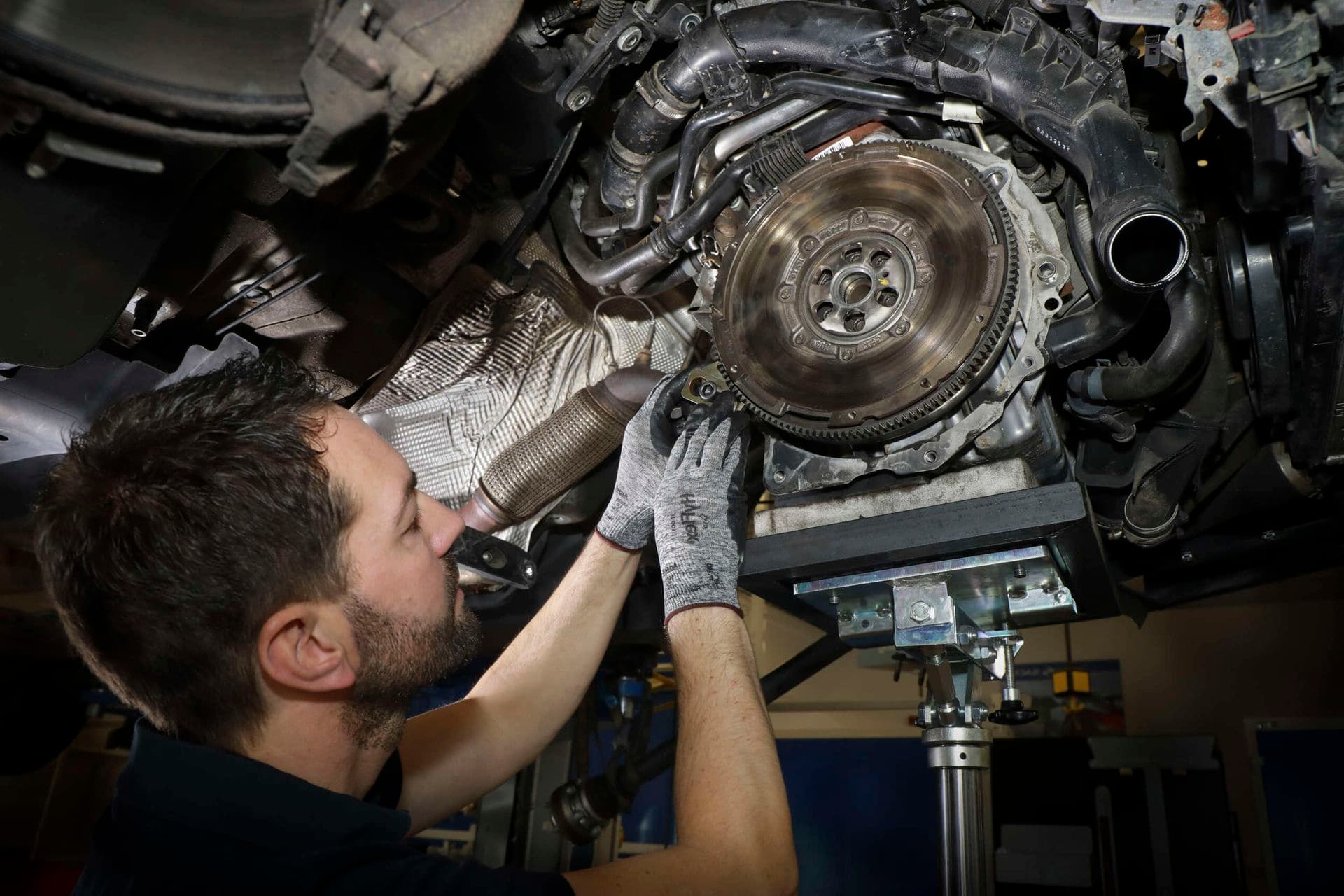
Common Problems with the DSG 7-speed DSG transmission
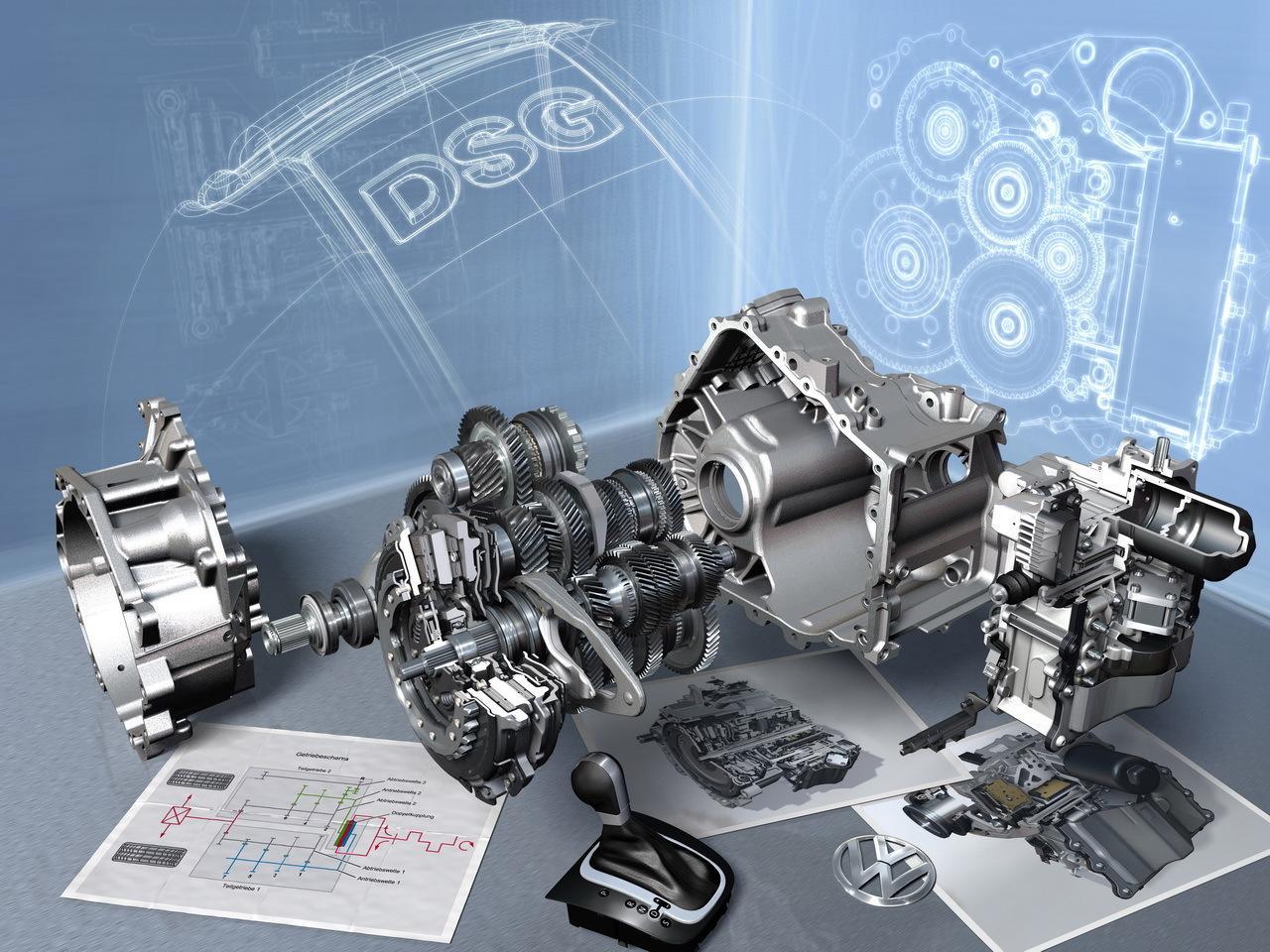
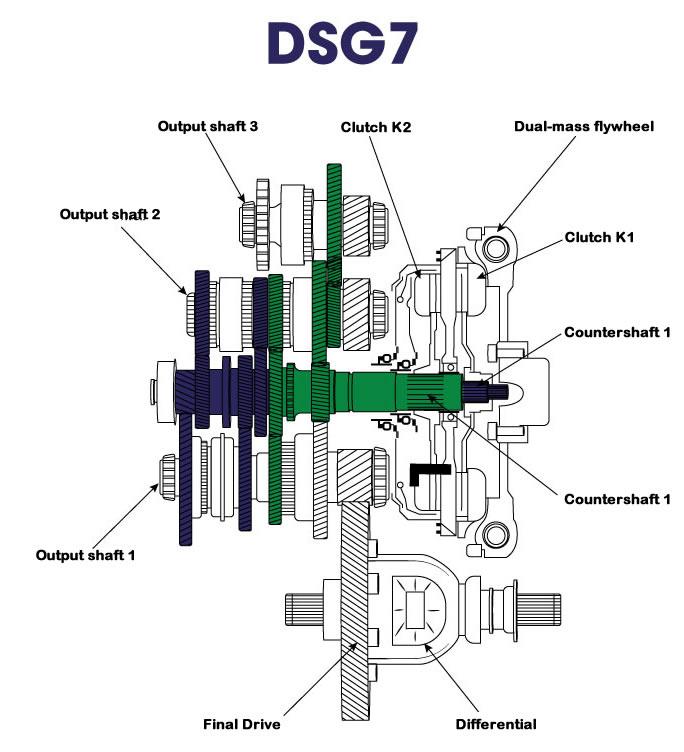
The 7-speed DSG transmission (DQ200), developed by Volkswagen Group, is a dual-clutch system designed to combine fuel efficiency with sporty driving dynamics. Widely used in Volkswagen, Audi, Seat, and Skoda models, it is celebrated for quick gear shifts and smooth performance. However, it is prone to reliability issues, including mechanical wear and electronic malfunctions, particularly in high-stress or urban driving conditions.
This article explores the operation of the DSG7, highlights common symptoms and causes of defects, and offers actionable maintenance tips to extend its lifespan.
Common Symptoms of DSG Problems
Faults in DSG transmissions manifest through various symptoms, often pointing to issues within the mechatronics unit, clutch system, or control electronics. Key indicators include:
- Jerking and Delayed Gear Changes
- Drivers may experience jerks or hesitation during gear shifts, particularly at low speeds or when accelerating. This often indicates a malfunction in the mechatronics unit.
- Gear Slipping or Failure to Engage
- A common issue where gears fail to engage properly, leaving the vehicle stuck in neutral or unable to shift from one gear to another.
- Warning Lights on the Dashboard
- Indicators such as the flashing gear warning light or the check engine light signal faults within the transmission system.
- Unusual Noises
- Scratching, rattling, or grinding sounds during gear changes often point to mechanical wear in the transmission components.
- Vibrations and Unpleasant Driving Sensations
-
Vibrations, especially when shifting from first to second gear or vice versa, are frequently reported in models equipped with the DQ200 gearbox.
Typical Causes of DSG Issues
-
Design Limitations in the DQ200 Gearbox
- The 7-speed DQ200 uses a dry clutch system, which, while efficient, is prone to overheating and wear in urban driving conditions.
-
Oil-Related Failures
- Early models of the DQ200 were filled with synthetic oil, which caused corrosion and electrical shorts in the gearbox lead frame. Manufacturers later replaced this with mineral-based oil containing non-corrosive additives.
-
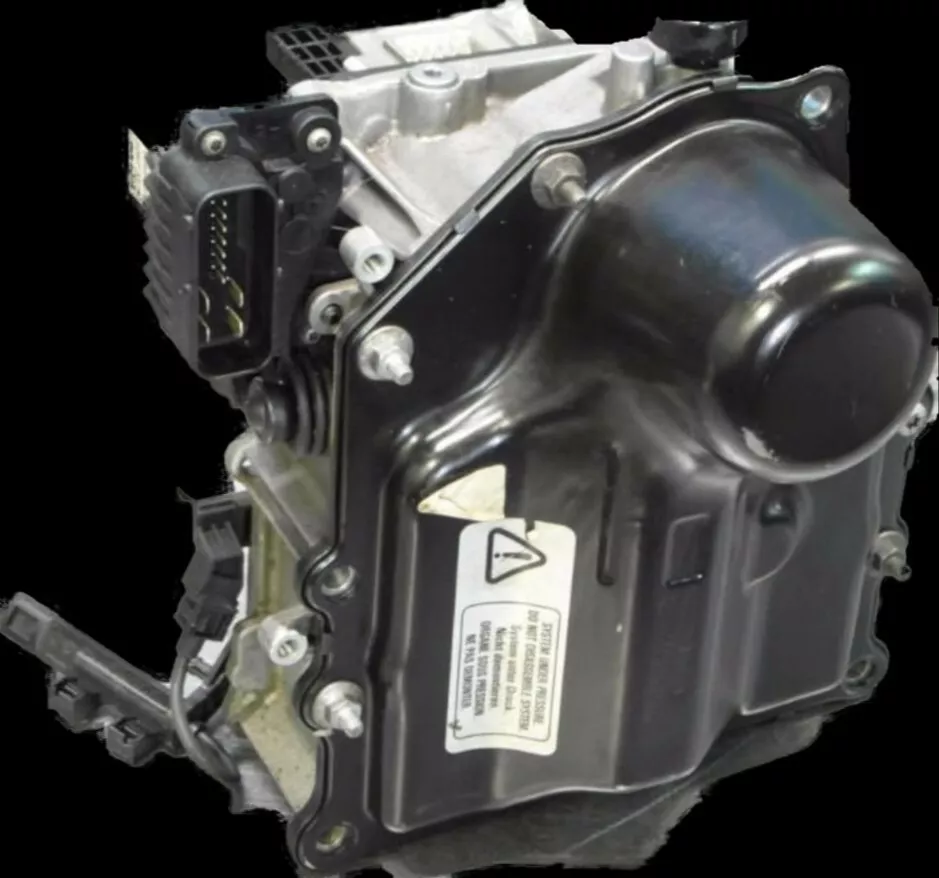
Mechatronics Failures
- Leaks in high-pressure valves, electrical shorts, or software glitches in the mechatronics unit can disrupt gear changes.
-
Premature Wear and Tear
- Prolonged city driving, towing, or frequent stop-start conditions accelerate the wear of clutch packs and the dual-mass flywheel.
Vehicles and Models Affected
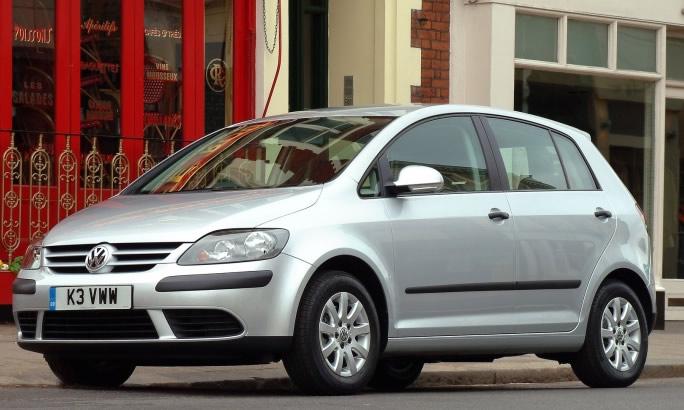
The following Volkswagen Group brands and models have been associated with DSG transmission problems, particularly those using the DQ200 gearbox:
Audi Models
- A1 (2010–2018): Compact hatchback often equipped with smaller, fuel-efficient engines paired with the DSG7.
- A3 (2003–2012): Popular small family car using DSG7 in certain engine variants.
- TT (2006–2014): Sporty coupe and roadster, with DSG7 in smaller engine configurations.
Seat Models
- Altea (2004–2015): Multi-purpose vehicle (MPV) with DSG7 transmission in fuel-efficient variants.
- Ibiza (2008–2017): Supermini frequently fitted with DSG7 for its lightweight design and fuel economy.
- Leon (2005–2012): Hatchback and estate variants using the DSG7.
- Toledo (2004–2009, 2012–2019): Compact saloon using the DSG7 in lower-powered versions.
Skoda Models
- Fabia (2007–2014): Small car equipped with DSG7 for city-focused and economical engines.
- Octavia (2004–2013): Family hatchback and estate fitted with DSG7 in smaller displacement engines.
- Rapid (2012–2020): Compact saloon and hatchback often featuring DSG7.
- Roomster (2006–2015): Versatile MPV using DSG7.
- Superb (2008–2015): Large saloon and estate with DSG7 in fuel-efficient configurations.
- Yeti (2009–2017): Small SUV paired with the DSG7 in specific engine variants.
Volkswagen Models
-
Caddy III (2004–2020): Compact van and people carrier with DSG7 in commercial and passenger-focused variants.
-
Golf:
- Golf Plus (2005–2014): Compact MPV variant.
- Golf V (2003–2009) and Golf VI (2008–2012): Iconic hatchback with DSG7 in certain trims.
-
Jetta:
- Jetta III (2005–2011): Compact saloon with DSG7 in smaller engine options.
- Jetta IV (2011–2018): The updated model uses DSG7 in specific variants.
-
New Beetle (2011–2019): Stylish coupe and convertible with DSG7 in smaller engines.
-
Passat:
- Passat B6 (2005–2010) and Passat B7 (2010–2014): Executive saloon and estate models with DSG7.
-
Polo (2009–2014): Supermini featuring DSG7 for urban and economical driving.
-
Scirocco (2008–2014): Sporty coupe using DSG7 in lighter engine configurations.
-
Touran:
- Touran I (2003–2010) and Touran II (2010–2015): Compact MPV with DSG7 in family-friendly designs.
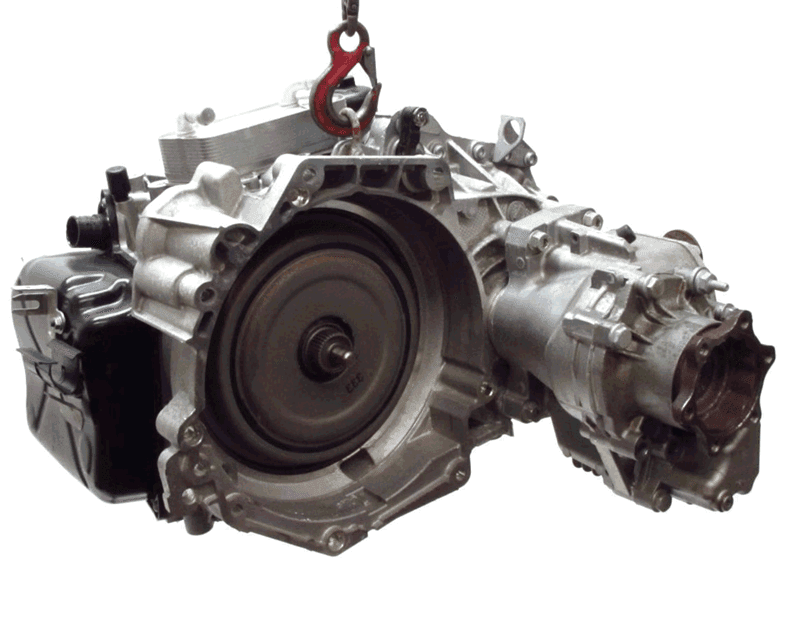
- Touran I (2003–2010) and Touran II (2010–2015): Compact MPV with DSG7 in family-friendly designs.
Preventative Measures for Prolonging DSG7 Gearbox Lifespan
The DSG7 (DQ200) gearbox requires proactive maintenance and careful driving habits to reduce the likelihood of failures. Following these preventative measures can help ensure long-term reliability and minimize the risk of costly repairs.
Regular Maintenance
- Oil Changes: Unlike the DSG6, the DSG7 uses a dry clutch system, so it does not require regular clutch oil changes. However, the gearbox still relies on hydraulic fluid for the mechatronics unit, which should be replaced every 60,000 kilometers or as the manufacturer recommends. Using only manufacturer-approved fluids is crucial to avoid damaging the internal components.
- Inspection Schedule: During routine maintenance, ask technicians to inspect the condition of the clutch packs, gears, and mechatronics unit for any signs of wear or leaks.
- Mechatronics Diagnostics: Regular diagnostics at authorized service centers can help identify issues early, especially software glitches that can impact gearbox performance.
Avoid High-Stress Conditions
- Stop-and-Go Traffic: The DSG7 dry clutch system is particularly susceptible to overheating in frequent stop-and-go traffic. Prolonged use in these conditions can lead to premature wear of the clutch packs. Avoid heavy traffic or allow the gearbox to cool during long stops by shifting into neutral to mitigate this.
- Heavy Loads and Towing: Excessive loads or towing strains the clutch and transmission system, reducing lifespan. Avoid overloading the vehicle and use a manual transmission or DSG6-equipped model if frequent towing is required.
- Steep Inclines: Driving on steep inclines places additional strain on the DSG7 gearbox. Engage the vehicle’s hill-assist features when available to reduce stress on the clutch.
Software Updates
- Firmware Updates: Volkswagen Group frequently releases firmware updates to address known issues with the DSG7 mechatronics unit, such as shifting delays or warning light errors. Ensure your gearbox software is current by scheduling periodic service checks at authorized dealerships.
- Enhanced Performance Settings: Updates may also improve the gearbox’s efficiency and smoothness, enhancing the driving experience.
Monitor for Symptoms
- Unusual Noises: Grinding, squealing, or knocking sounds during gear changes may indicate early clutch wear or issues within the mechatronics unit. Address these symptoms promptly to avoid further damage.
- Dashboard Warnings: If you see a flashing gear indicator or transmission-related warning lights, seek professional diagnostics immediately. These can signal electrical shorts, hydraulic leaks, or other serious issues in the gearbox system.
- Gear Slipping or Jerking: Symptoms like delayed engagement, jerking between gears, or failure to shift properly should not be ignored. These are often early signs of clutch or mechatronics unit failure.
- Overheating Alerts: If the gearbox overheats, reduce driving stress by stopping the vehicle and allowing it to cool down. Continuous overheating may permanently damage the clutch and other components.
Driving Habits
- Use Manual Mode Appropriately: Many DSG7 transmissions have a manual mode, allowing drivers to control gear shifts manually. Using this feature during stop-and-go traffic or steep inclines can reduce stress on the automatic clutch system.
- Anticipate Stops: Coasting to a stop rather than braking suddenly can help the gearbox transition more smoothly between gears, reducing wear on the clutch.
Proactive Repairs and Recalls
- Recall Awareness: Stay informed about any manufacturer recalls or service campaigns related to the DSG7 gearbox. These often address common issues like synthetic oil corrosion or mechatronic unit malfunctions.
- Prompt Repairs: Addressing minor problems, such as a leaking seal or faulty sensor, early can prevent the need for major overhauls.
While DSG transmissions offer a remarkable blend of performance and efficiency, understanding their potential weaknesses is essential for vehicle owners. Proactive maintenance, awareness of common symptoms, and timely repairs can ensure the longevity and reliability of the DSG system. By following the recommended practices and consulting with authorized service providers, drivers can enjoy the benefits of DSG technology with minimal disruptions.
DSG Transmission Problem Repair and Replacement
At ASR Gearbox Repairs, we specialize in the comprehensive repair of DSG gearboxes. Our seasoned technicians have the expertise to diagnose and rectify a wide array of issues, ensuring swift restoration of your vehicle’s functionality. Unlike main dealers who provide estimates solely for a new gearbox should any issue arise, our approach focuses on identifying and fixing individual problems. This strategy enables us to offer a significantly more cost-effective solution, maintaining the same, if not superior, quality without compromise.
If you suspect your vehicle might suffer from a fault, it is best to get it looked at immediately as it could save you a substantial amount on your repair bill. ASR offers an initial diagnostic service with our specialist diagnostic equipment. This shows us live data from the gearbox and a report so the customer can see the fault codes within the DSG unit.
This essential first step is £90, including VAT.
Our DSG repairs or reconditioned units come with a minimum 12-month / 12,000 Mile Warranty.
Tel: 0207 096 5044 Email: info@asrgearboxrepairs.co.uk
Disclaimer: Our assessment of how common faults are with certain aspects of this transmission, are based on the work we have carried out over time and the percentage between each type of job. This is not an official statistical value of the VAG transmission range.
-
Get an initial quote today.
Enter your information and one of our specialists will be in touch.
Contact us
submit an enquiry