

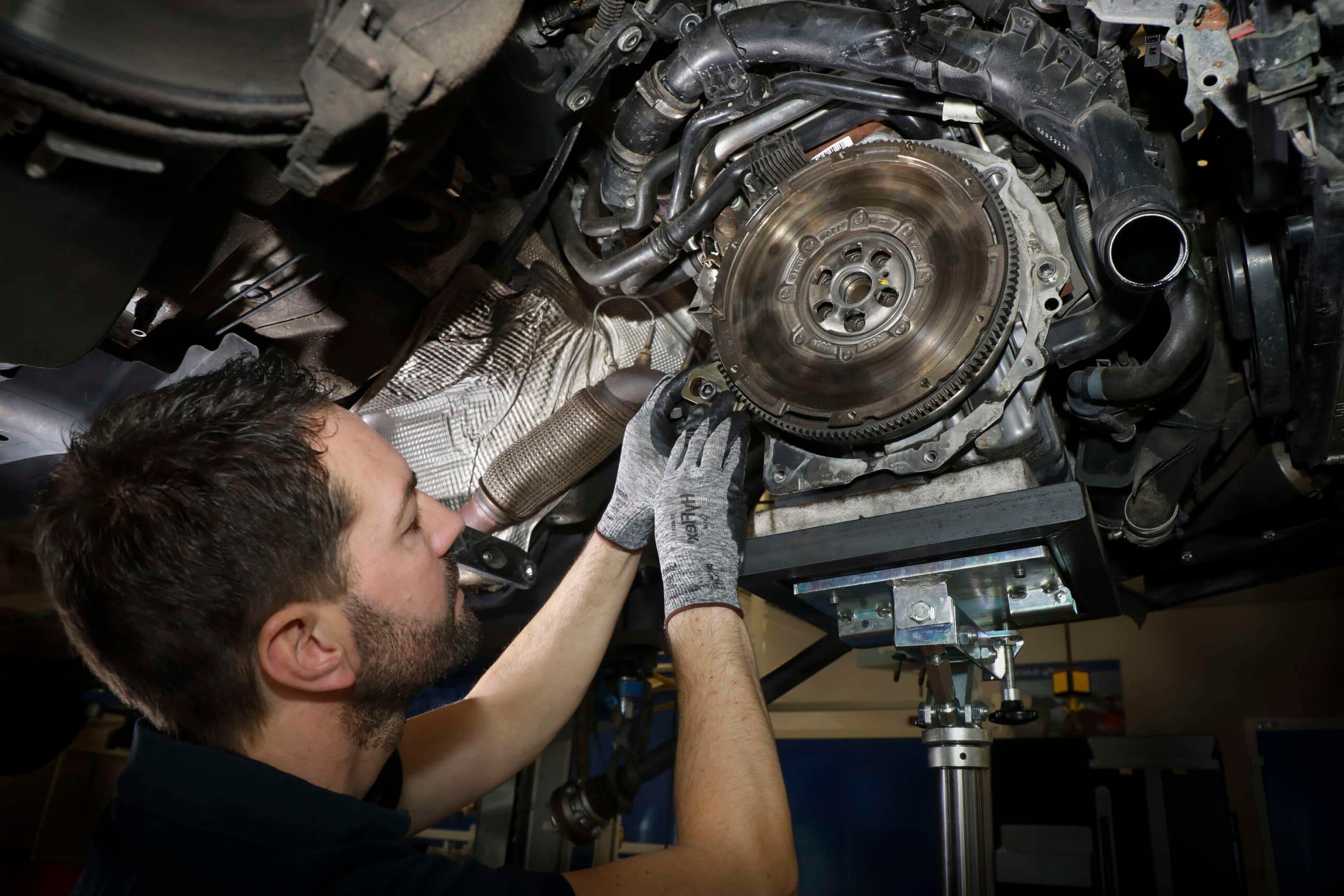
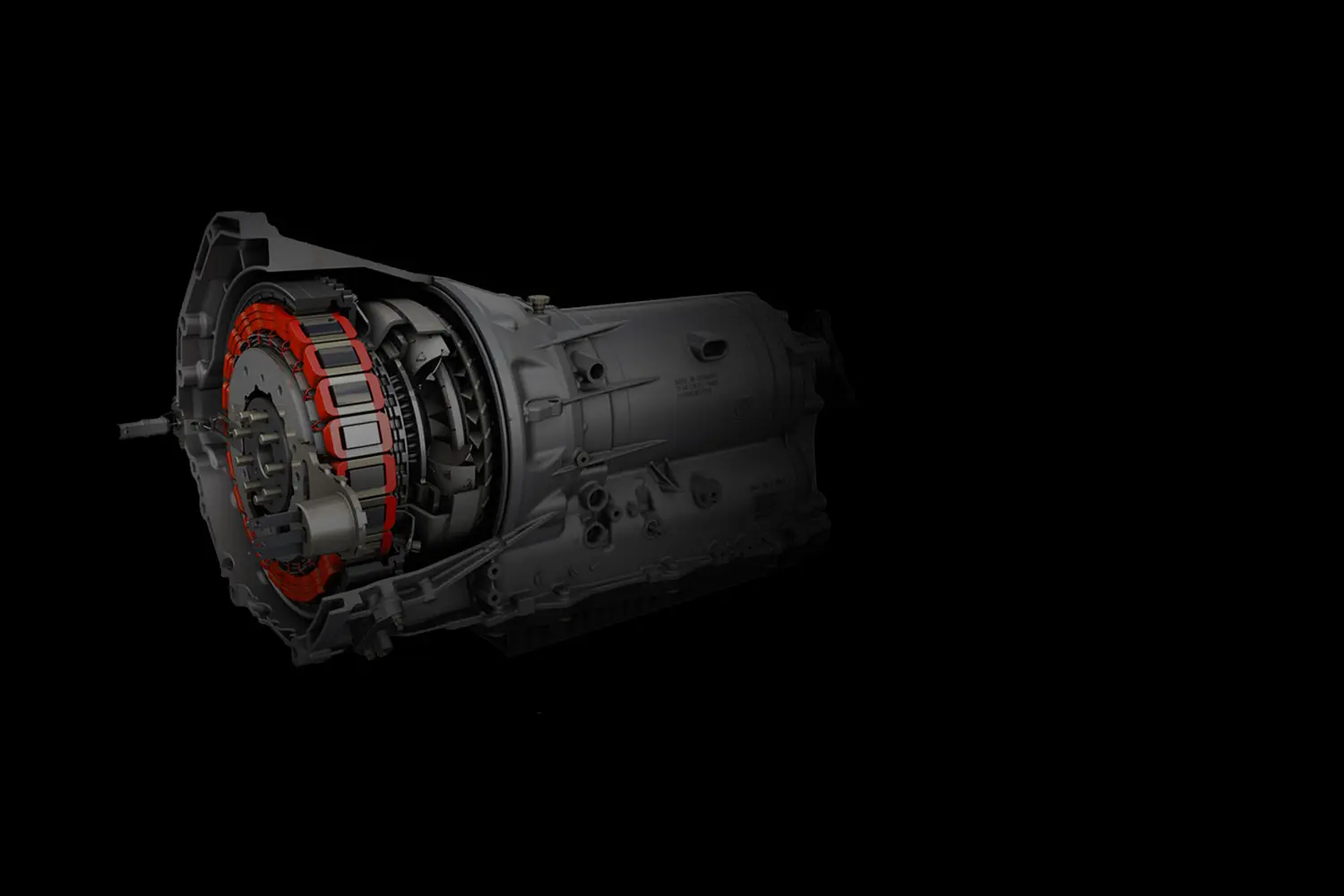
9G-Tronic (Mercedes 9-Speed Auto)
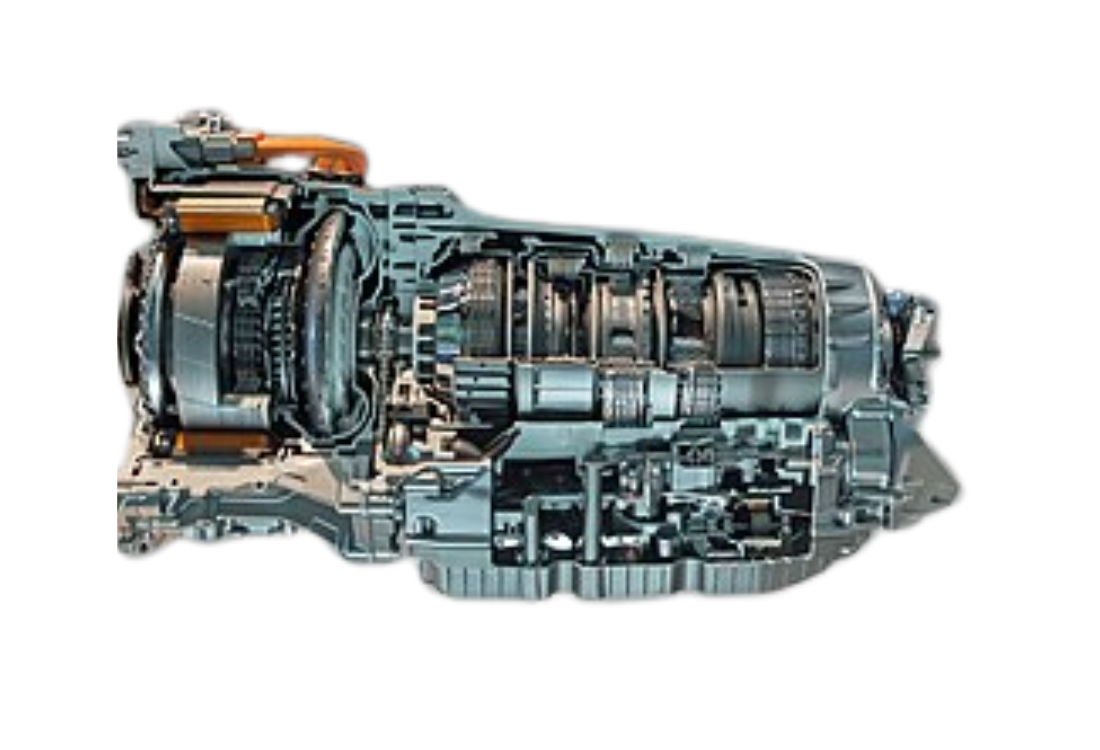
The 9G-Tronic debuted around 2013 with big promises: extra gears for improved efficiency and a smoother ride. Early adopters praised its seamless operation in Mercedes cars. Eventually, though, some drivers reported abrupt shifts or hesitation, hinting that even a nine-speed design can stumble at times.
Have a Problem?
Common Problems With 9G-Tronic (Mercedes 9-Speed Auto)
Common 9G-Tronic Problems
Mercedes’ 9-speed transmission offers efficiency across a broad gear range, but can manifest certain drivability quirks if components degrade.
Hard 1–2 Shift
Some owners note a jolt from first to second gear, especially during colder starts or brisk acceleration.
Potential Causes: Slight valve body miscalibration, sticky solenoids, low fluid pressure.
Limp Mode Activation
In certain cases, the transmission may revert to a fail-safe program if it detects abnormal temperature spikes or sensor readings.
Potential Causes: Overheating under load, fluid pump failure, mechatronic software glitch.
Delayed Gear Engagement
Switching from Reverse to Drive or selecting Park can feel sluggish, indicating a control or pressure-related delay.
Potential Causes: Valve spool wear, contaminated fluid, sensor calibration issues.
Erratic Downshifts
Mid-gear downshifts might feel abrupt when decelerating, potentially rattling the drivetrain.
Potential Causes: Torque converter lock-up release timing, TCM software, or worn clutch packs.
Maintenance Recommendations
Regular fluid changes with the correct Mercedes-approved ATF can prevent many shift irregularities. Checking for TCU updates and scanning for stored fault codes ensures issues are detected early.
Popular Cars with this Gearbox
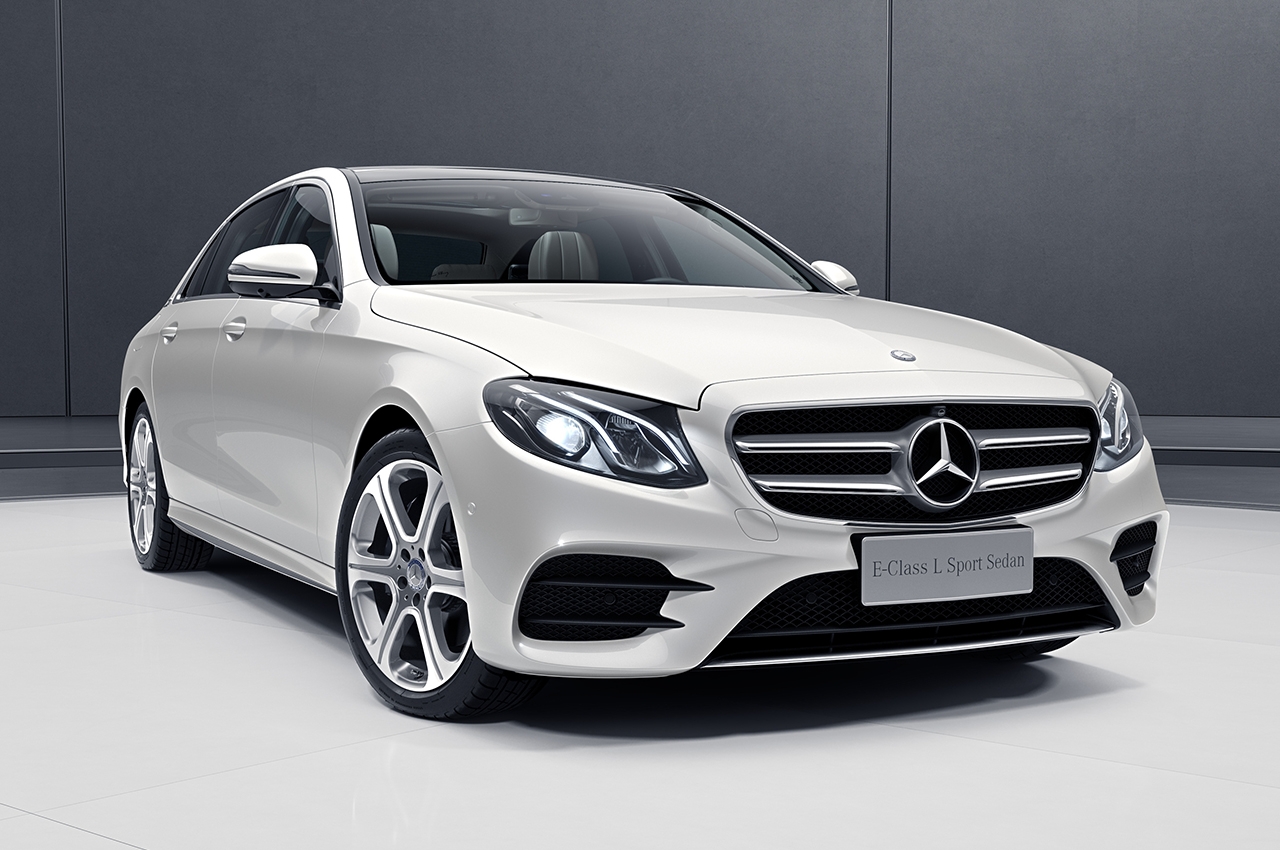
Mercedes-Benz E-Class
Established as a core Mercedes saloon in the mid-1990s, the E-Class set benchmarks for ride comfort and solid build. British executives and private owners appreciated its polished cabin and wide engine range, from frugal diesels to punchy petrols. Over each generation, it introduced cutting-edge safety features and infotainment. Its enduring reputation for reliability and prestige made it a frequent choice for both corporate and personal use.
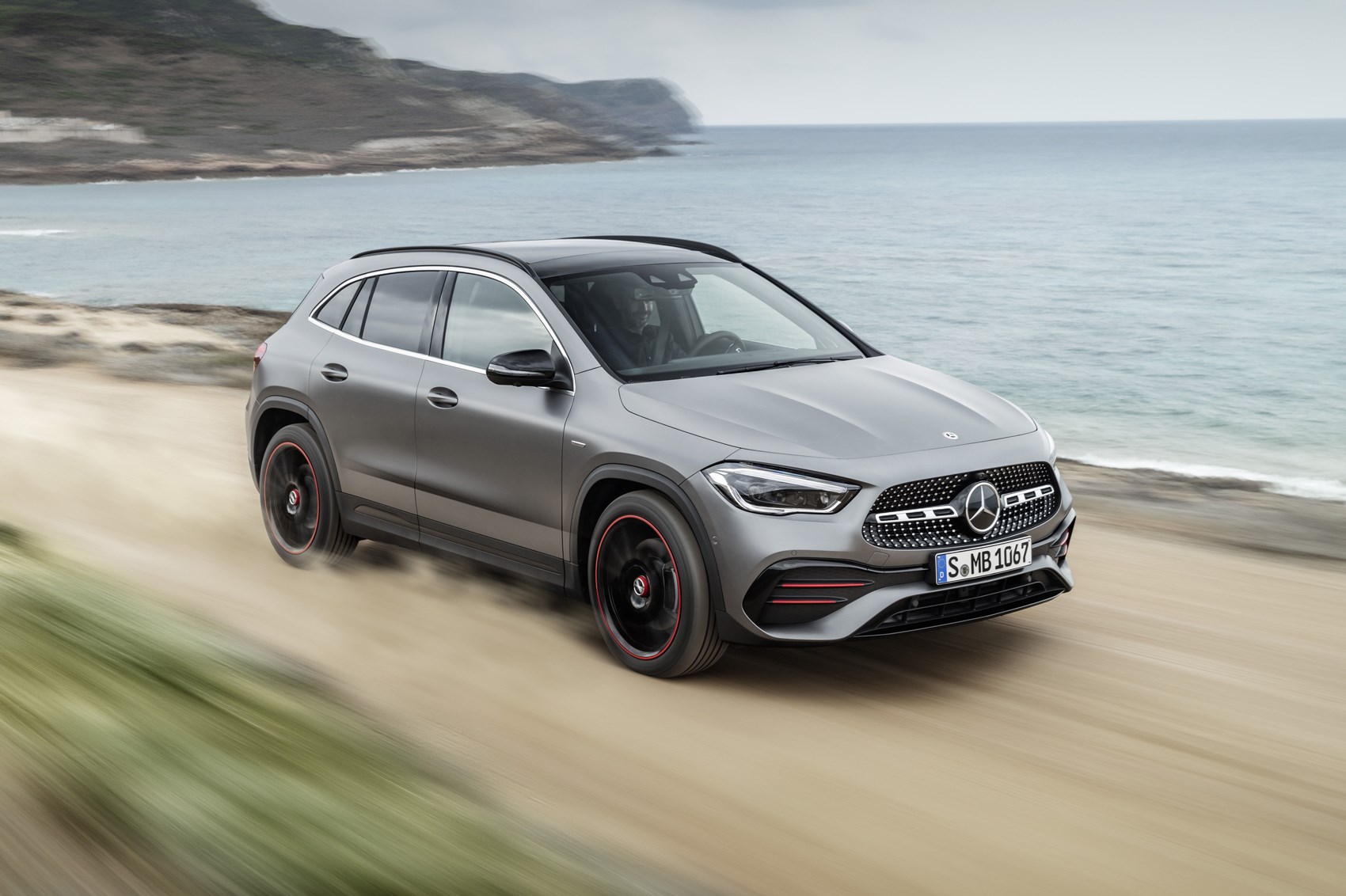
GLA
The Mercedes-Benz GLA arrived in 2013 as a compact crossover, bridging hatch-like handling with SUV proportions. British city dwellers embraced its elevated stance and premium branding. Over time, engine options ranged from economical diesels to performance-oriented AMG variants. Facelifts updated the cabin and styling, ensuring it stayed relevant for those wanting a luxury badge in a smaller, practical package.
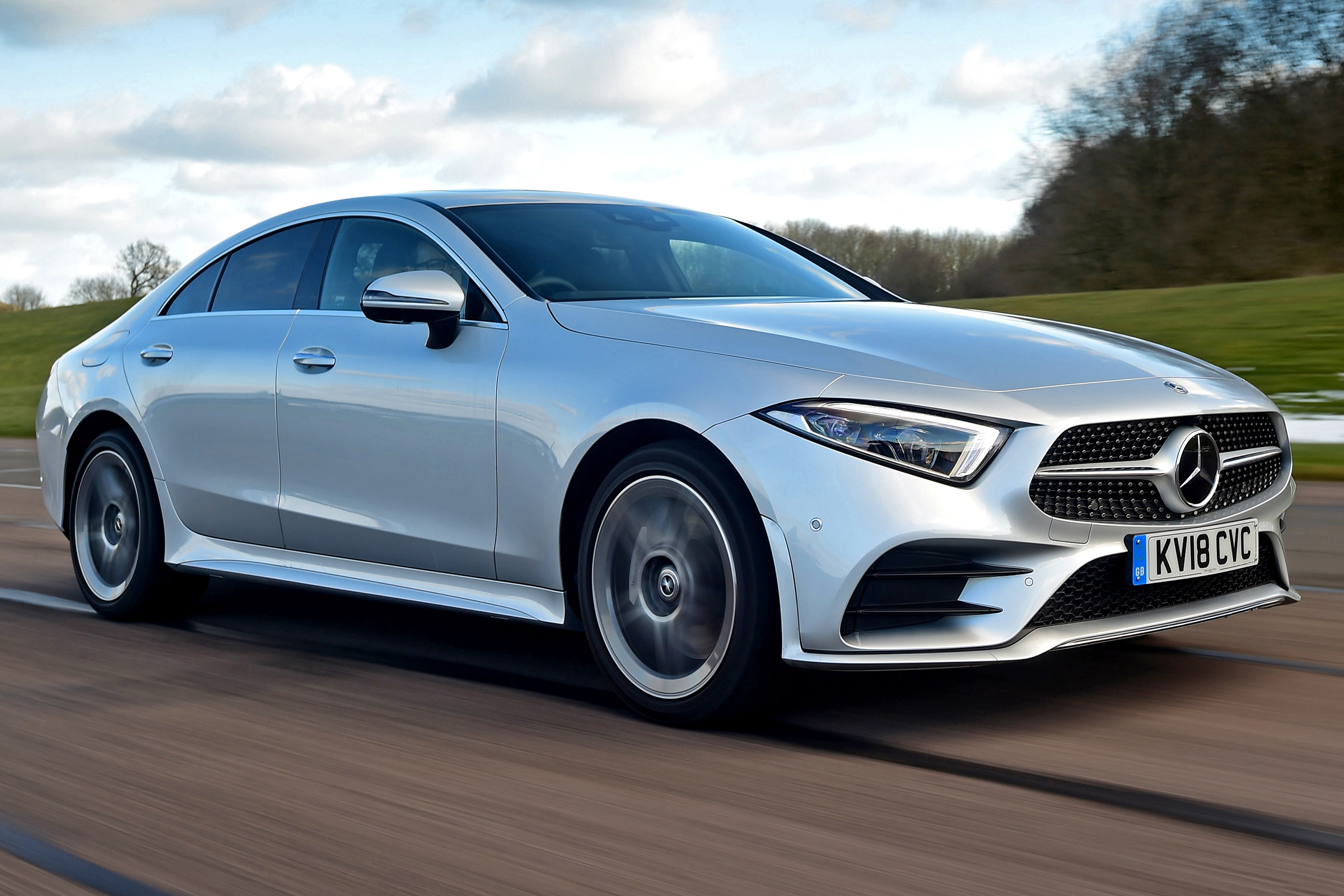
CLS
Unveiled in 2004, the Mercedes-Benz CLS introduced the concept of a “four-door coupé,” offering sleek coupé lines with saloon practicality. UK execs found it a stylish alternative to the E-Class. Over successive generations, engine choices ranged from efficient diesels to performance-oriented AMGs. The cabin evolved with advanced infotainment and plush materials, reinforcing the CLS as a design-focused niche in Mercedes’ lineup.
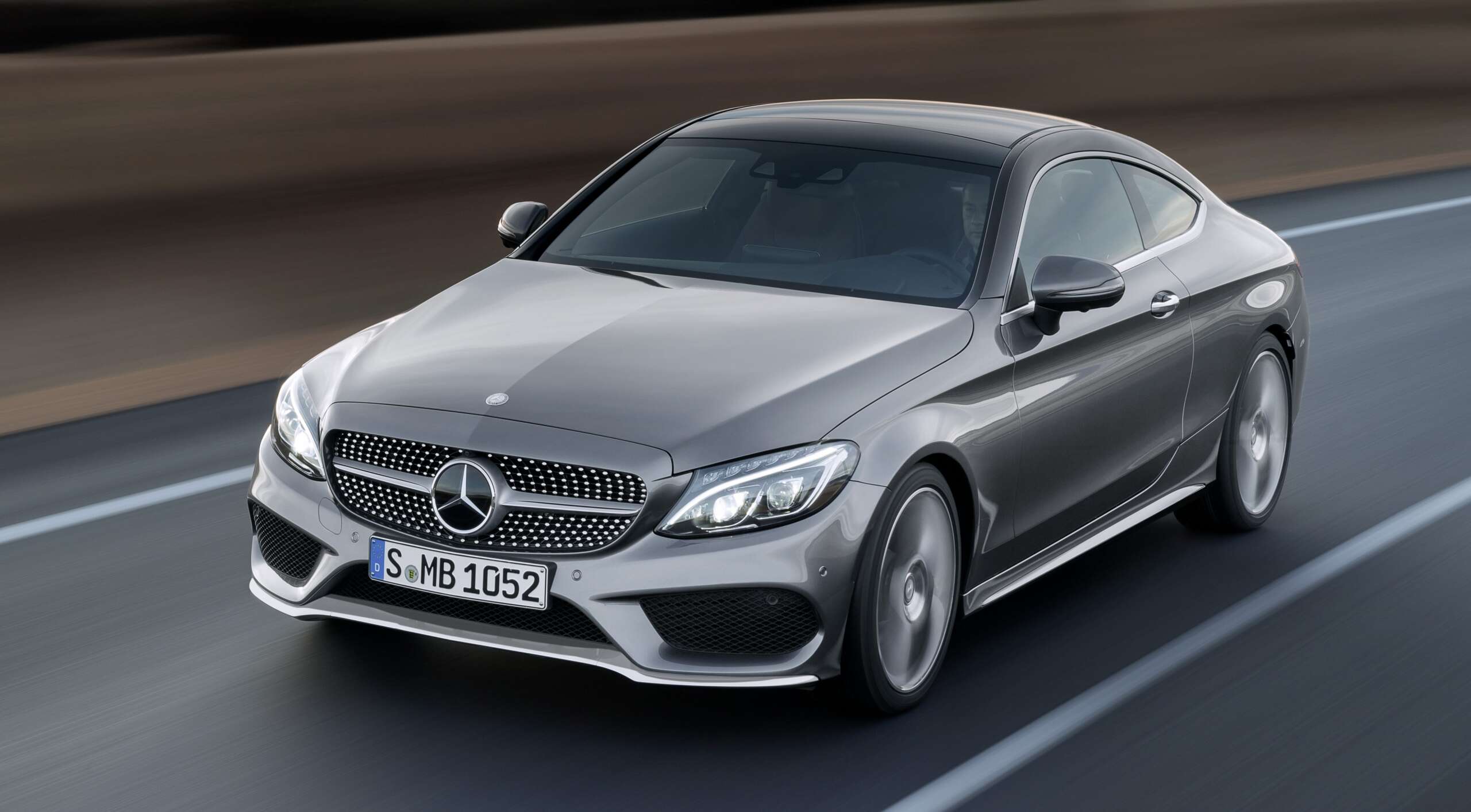
C-Class
The Mercedes-Benz C-Class first appeared in the early 1990s, succeeding the 190 range. Over successive generations, it refined luxury saloon attributes in a slightly smaller package than the E-Class. UK drivers admired the well-appointed cabin, variety of diesel or petrol engines, and brand prestige. Later hybrids and AMG versions broadened its appeal, from efficient commuting to spirited driving.
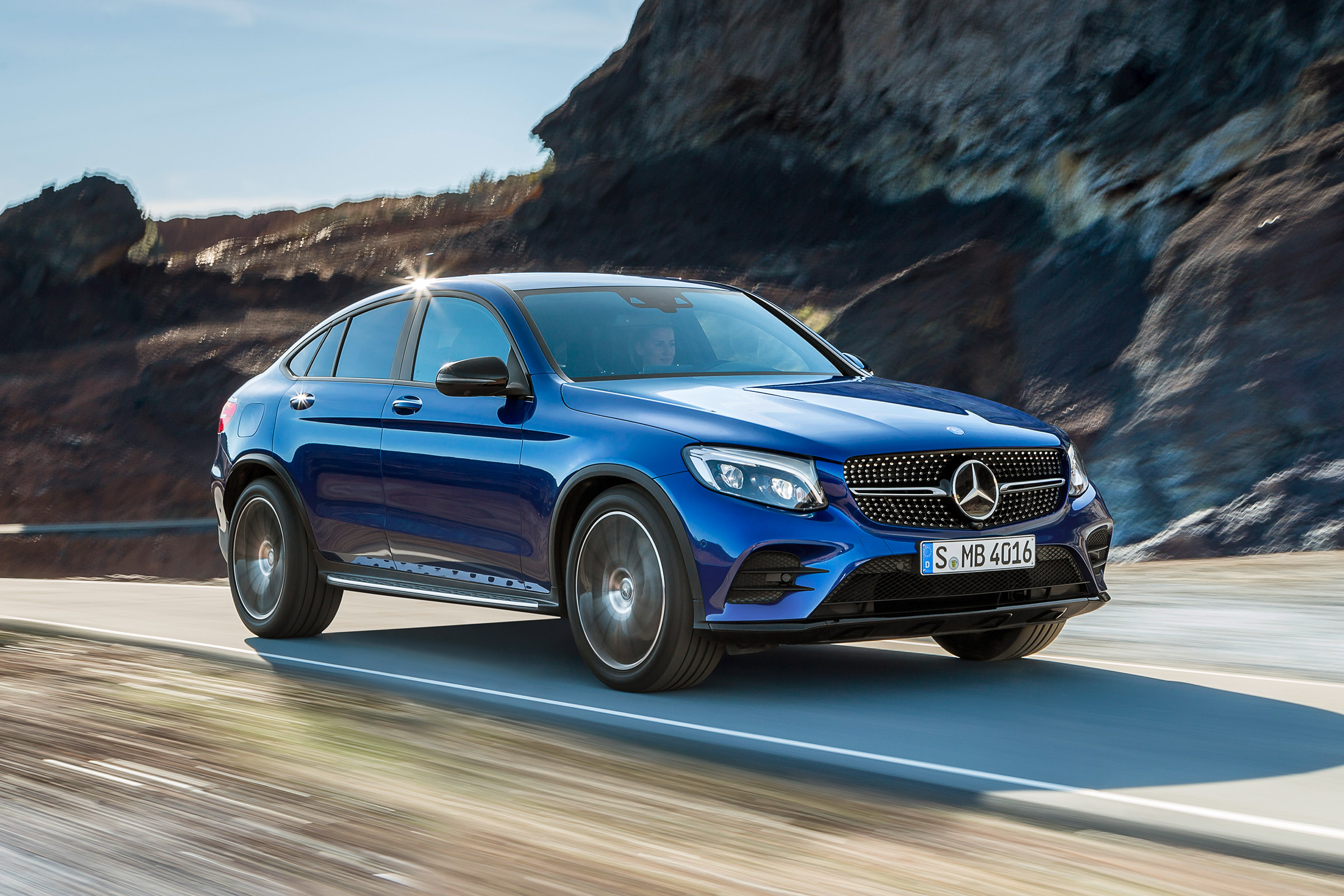
GLC
Introduced in 2015 as the successor to the GLK, the GLC marked Mercedes-Benz’s foray into the premium compact SUV class. Blending elegant styling with a comfortable ride and advanced safety tech, it quickly found favor among buyers seeking both luxury and practicality. Engine options, including efficient diesels, petrol units, and later hybrid variants, catered to diverse needs. Over time, the GLC has seen refinements in infotainment, interior materials, and driver-assistance features, reinforcing its position as a well-rounded choice in the competitive luxury crossover market.
Is Your Vehicle Included?
Cars Using the 9G-Tronic (Mercedes 9-Speed Auto)
Mercedes-Benz: C-Class, E-Class, S-Class, GLC, GLE, GLS, SL (varies by model year)
Maybach: Selected S-Class models
Have a question?
Frequently asked questions
How much will it cost to repair my gearbox?
It’s difficult to provide a definitive answer without a proper diagnostic, as the cost of a gearbox repair can vary depending on several factors. The make and model of the car, as well as the type of gearbox, can significantly impact the cost.
If you’re experiencing issues with your gearbox, the best course of action is to contact one of our specialist team who will be able to provide you with an initial quotation.
What causes a gearbox to become faulty?
There are several factors that can contribute to a gearbox becoming faulty. Some of the most common causes include:
-
Lack of maintenance: Regular maintenance, including changing the gearbox oil and replacing worn parts, can help prevent damage to the gearbox.
-
Wear and tear: Over time, the gears and other components of the gearbox can become worn, leading to issues such as grinding or difficulty shifting.
-
Overheating: Excessive heat can damage the gearbox and cause it to fail. This can be caused by a variety of factors, including driving at high speeds for extended periods or towing heavy loads.
-
Contamination: Dirt, debris, or other contaminants can get into the gearbox and cause damage to the gears and bearings.
-
Manufacturer defects: In some cases, the gearbox may have been manufactured with a defect that causes it to fail prematurely.
Can I still drive my car if the gearbox is acting strange?
It’s not recommended to continue driving your car if you’re experiencing problems with the gearbox. While you may be able to drive for a short time, ignoring the issue could result in more severe damage to the gearbox and other components of your vehicle.
Continuing to drive with a faulty gearbox could also turn a simple repair into a more complex and expensive one. In some cases, driving with a damaged gearbox could lead to complete gearbox failure, which could result in extensive damage and costly repairs.
If you’re experiencing issues with your gearbox, it’s important to have it diagnosed and repaired by a professional as soon as possible.
Get an initial quote today.
Enter your information and one of our specialists will be in touch.
Contact us
submit an enquiry