

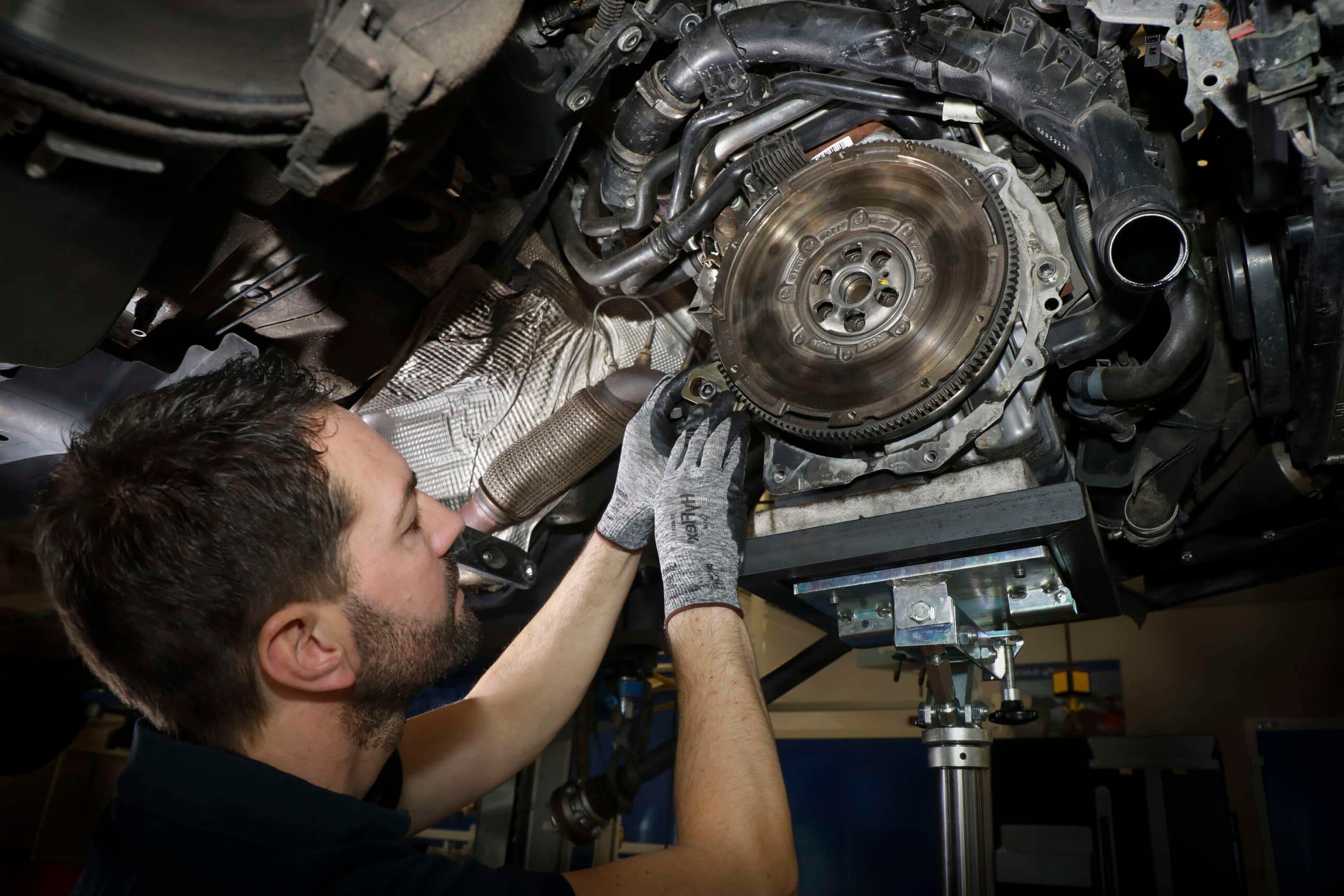
8-Speed ZF (Rear-Drive, Performance Models)
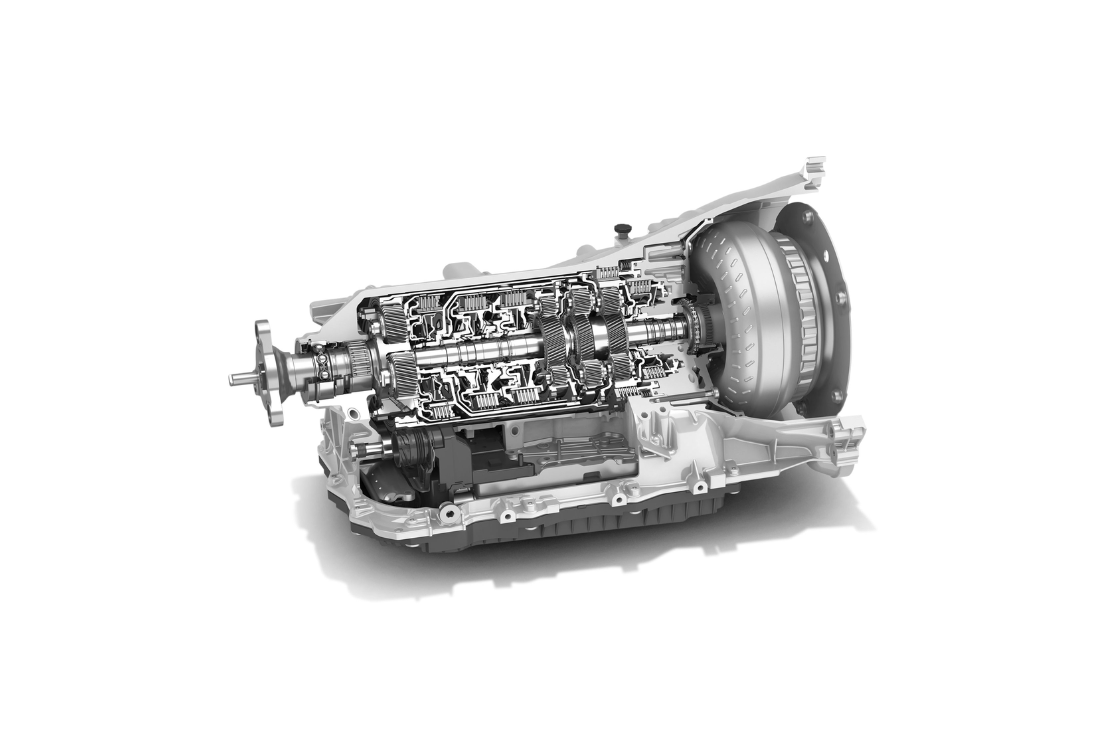
The 8-Speed ZF for rear-drive cars appeared in the late 2000s with huge fanfare, especially among performance enthusiasts. It delivered crisp shifts and improved fuel efficiency in BMWs and other sporty makes. With time, though, a few drivers noted abrupt changes in aggressive driving, raising the question of whether nine or ten gears might be the next logical step.
Have a Problem?
Common Problems With 8-Speed ZF (Rear-Drive, Performance Models)
Common 8-Speed ZF (RWD, Performance) Problems
Tuned for sports sedans and coupes, this version of the ZF box can endure significant torque but still reveals vulnerabilities if stressed.
Abrupt Gear Changes During Spirited Driving
Drivers may feel a sharp jolt or unrefined shift when pushing the car hard on back roads or track sessions.
Potential Causes: High-pressure shift mapping, friction disc wear, or overheated fluid.
Lock-Up Clutch Chatter
When transitioning to a locked converter at mid-range RPM, mild vibrations can occur if friction surfaces degrade.
Potential Causes: Aggressive downshifts with partial lock-up, fluid breakdown, or misaligned shift strategies.
Manual Mode Delays
In manual shifting, the response might lag behind driver inputs, undermining the intended sporty feel.
Potential Causes: ECU safety overrides, servo wear, or outdated paddle shift logic in the TCM.
Overheating on Track Days
Without an upgraded cooler, repeated full-throttle laps or drag runs can overheat the transmission fluid.
Potential Causes: Limited OEM cooling capacity, friction material burning from high torque shifts.
Maintenance Recommendations
For performance use, installing or verifying adequate cooling is beneficial. Frequent fluid changes with the correct ZF-approved fluid help handle track-level stress. Checking for TCU software updates ensures that shift logic remains well-matched to engine outputs.
Popular Cars with this Gearbox
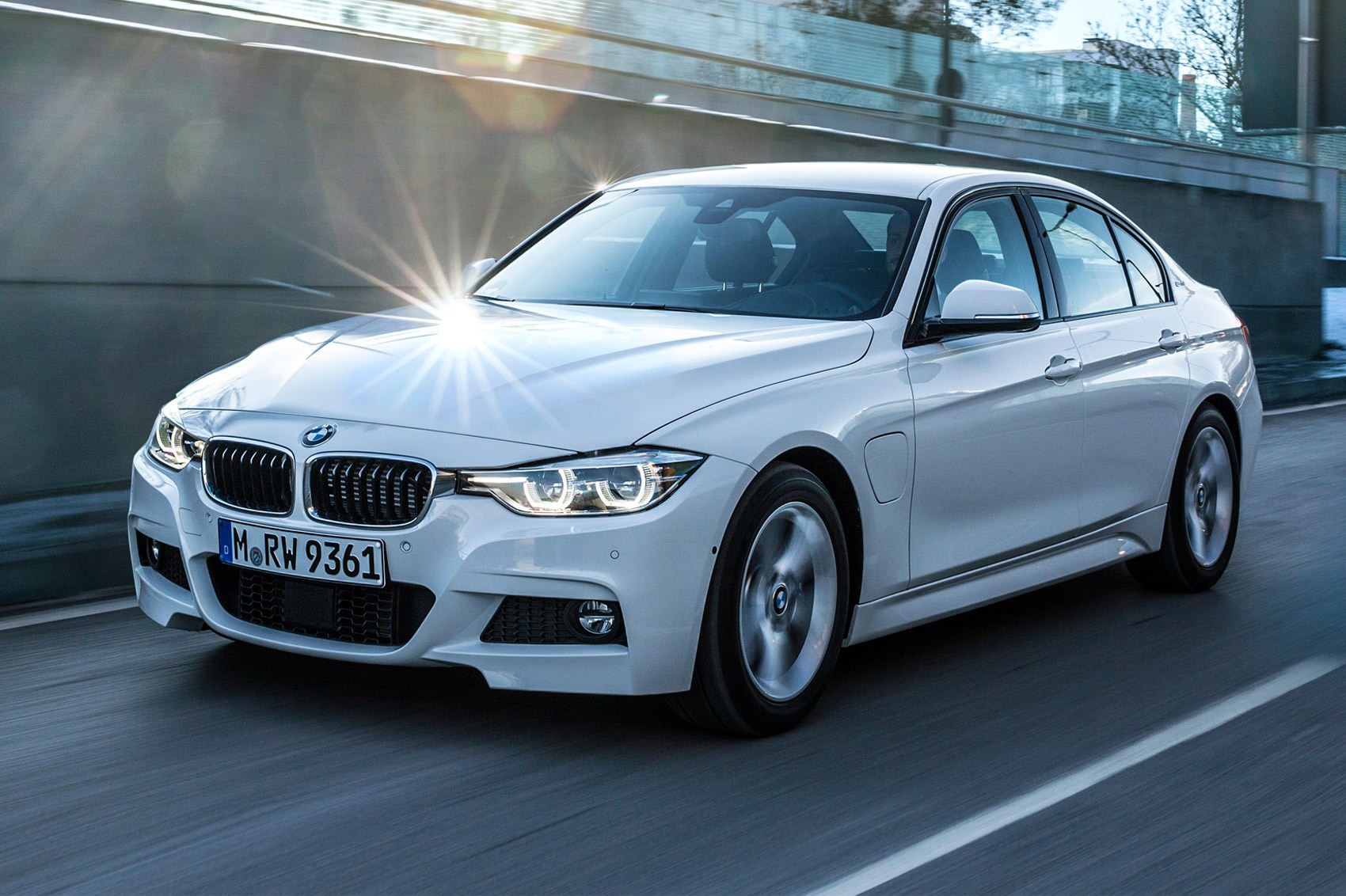
BMW 330E
BMW added the 330E as a plug-in hybrid variant around 2015 to meet rising demands for efficiency without sacrificing performance. It offered electric-only driving for short commutes and a petrol engine for longer trips. Company car users in the UK found the low tax benefits appealing. Updated battery technology in later versions extended EV range, making the 330E a greener choice for those craving the 3 Series’ sporty DNA.
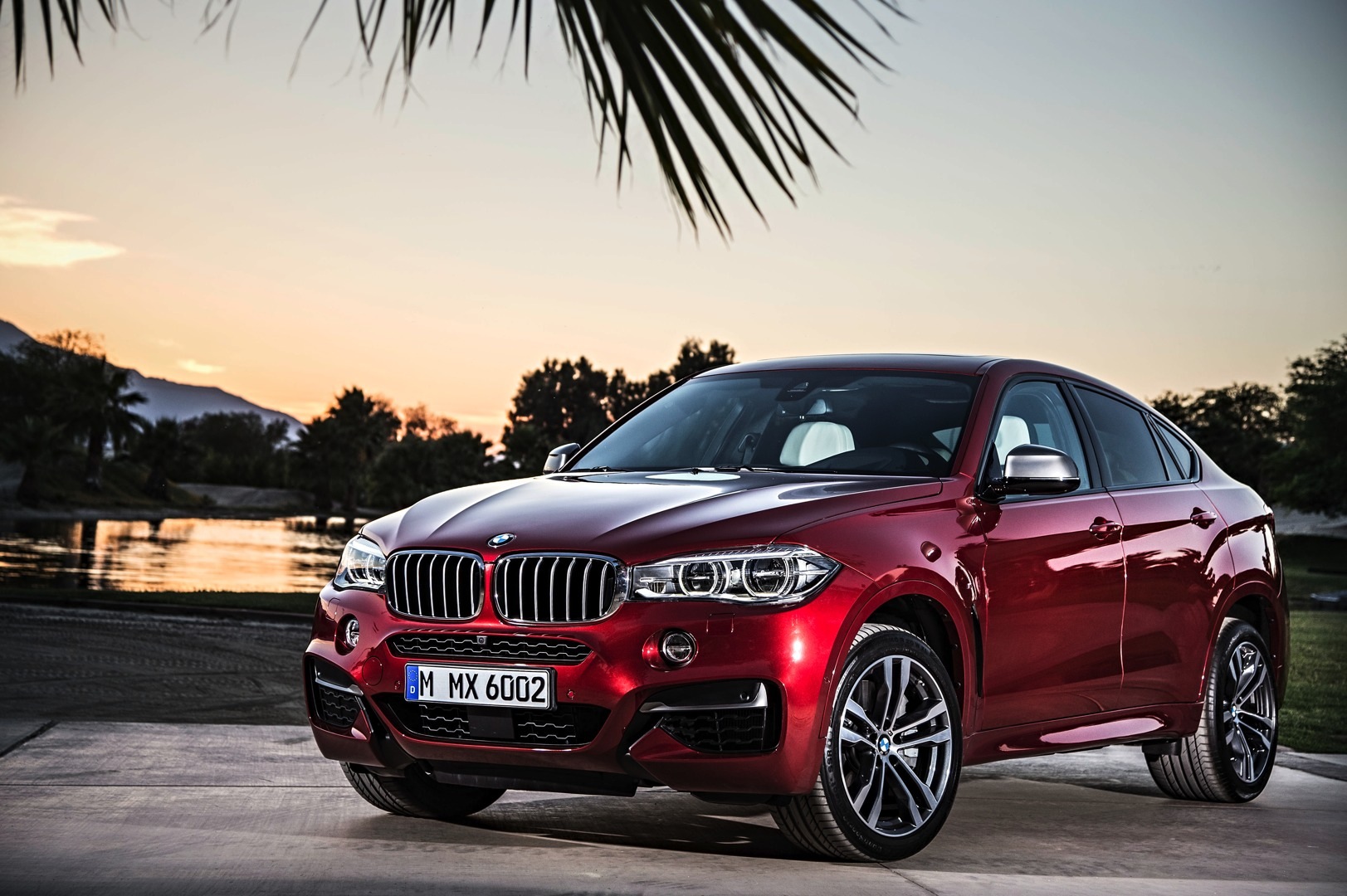
BMW X6 M Sport
Introduced in 2008 as a “Sports Activity Coupé,” the X6 turned heads with its sloping roofline and muscular stance. The M Sport trim added aggressive styling cues and sport-tuned suspension. UK buyers who wanted a unique blend of SUV practicality with coupe-like flair found it intriguing. Later versions boasted upgraded infotainment and powerful engines, reinforcing the X6’s role as a statement vehicle in BMW’s lineup.
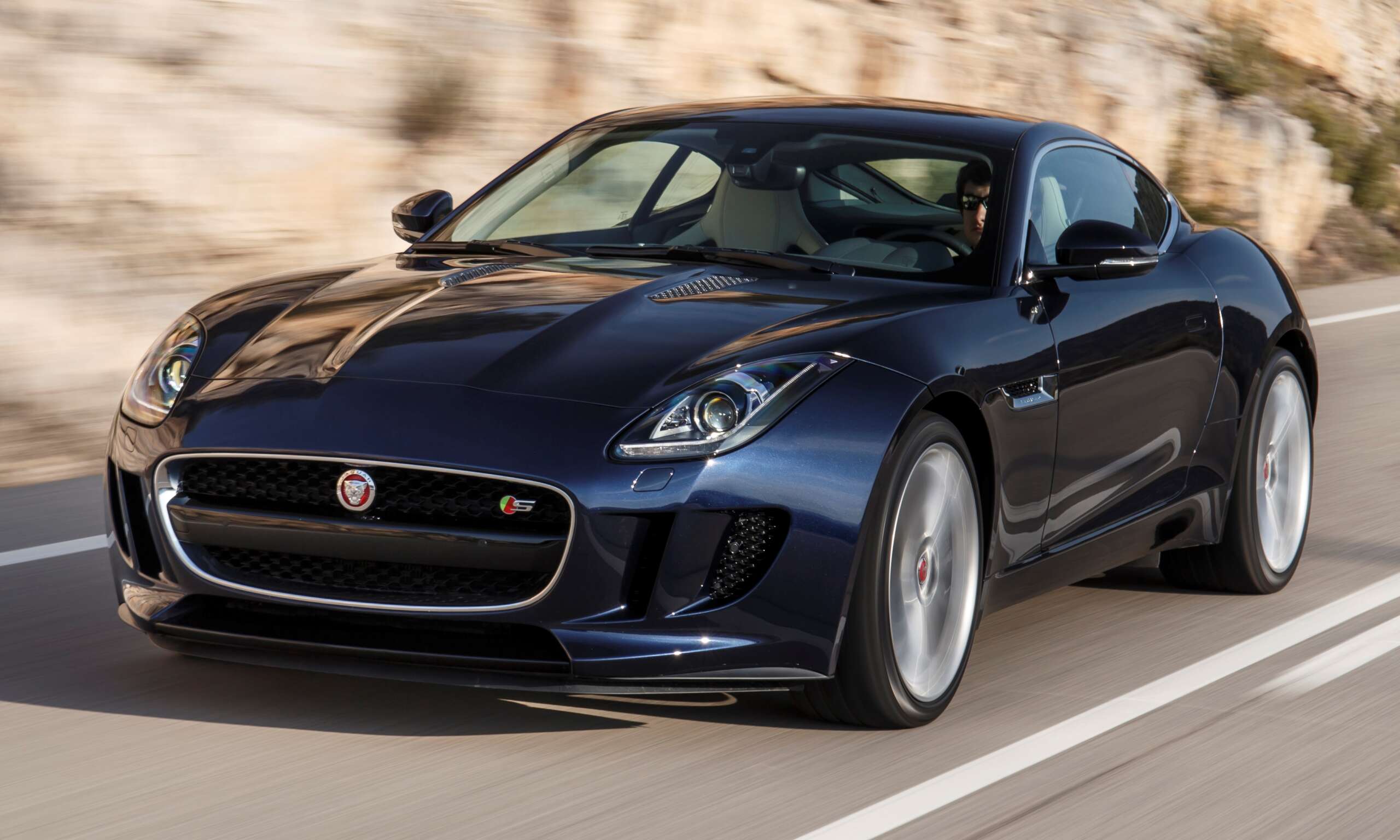
Jaguar F-Type
Launched in 2013, the F-Type revived Jaguar’s sports car lineage after the E-Type’s legacy. It sported sleek lines, powerful V6 and V8 engines, and agile handling. British enthusiasts craving a homegrown performance coupé or roadster gravitated to it. Continuous updates brought all-wheel drive options and refined interiors, solidifying the F-Type’s reputation as a stylish alternative to German or American sports cars.
Is Your Vehicle Included?
Cars Using the 8-Speed ZF (Rear-Drive, Performance Models)
- BMW: 3 Series (RWD), 5 Series, 7 Series (RWD), M240i (RWD trims)
- Jaguar: XF (RWD), XE (RWD performance trims)
- Alfa Romeo: Giulia (RWD, certain trims)
- Dodge: Charger, Challenger (non-AWD models)
Have a question?
Frequently asked questions
How much will it cost to repair my gearbox?
It’s difficult to provide a definitive answer without a proper diagnostic, as the cost of a gearbox repair can vary depending on several factors. The make and model of the car, as well as the type of gearbox, can significantly impact the cost.
If you’re experiencing issues with your gearbox, the best course of action is to contact one of our specialist team who will be able to provide you with an initial quotation.
What causes a gearbox to become faulty?
There are several factors that can contribute to a gearbox becoming faulty. Some of the most common causes include:
-
Lack of maintenance: Regular maintenance, including changing the gearbox oil and replacing worn parts, can help prevent damage to the gearbox.
-
Wear and tear: Over time, the gears and other components of the gearbox can become worn, leading to issues such as grinding or difficulty shifting.
-
Overheating: Excessive heat can damage the gearbox and cause it to fail. This can be caused by a variety of factors, including driving at high speeds for extended periods or towing heavy loads.
-
Contamination: Dirt, debris, or other contaminants can get into the gearbox and cause damage to the gears and bearings.
-
Manufacturer defects: In some cases, the gearbox may have been manufactured with a defect that causes it to fail prematurely.
Can I still drive my car if the gearbox is acting strange?
It’s not recommended to continue driving your car if you’re experiencing problems with the gearbox. While you may be able to drive for a short time, ignoring the issue could result in more severe damage to the gearbox and other components of your vehicle.
Continuing to drive with a faulty gearbox could also turn a simple repair into a more complex and expensive one. In some cases, driving with a damaged gearbox could lead to complete gearbox failure, which could result in extensive damage and costly repairs.
If you’re experiencing issues with your gearbox, it’s important to have it diagnosed and repaired by a professional as soon as possible.
Get an initial quote today.
Enter your information and one of our specialists will be in touch.
Contact us
submit an enquiry