

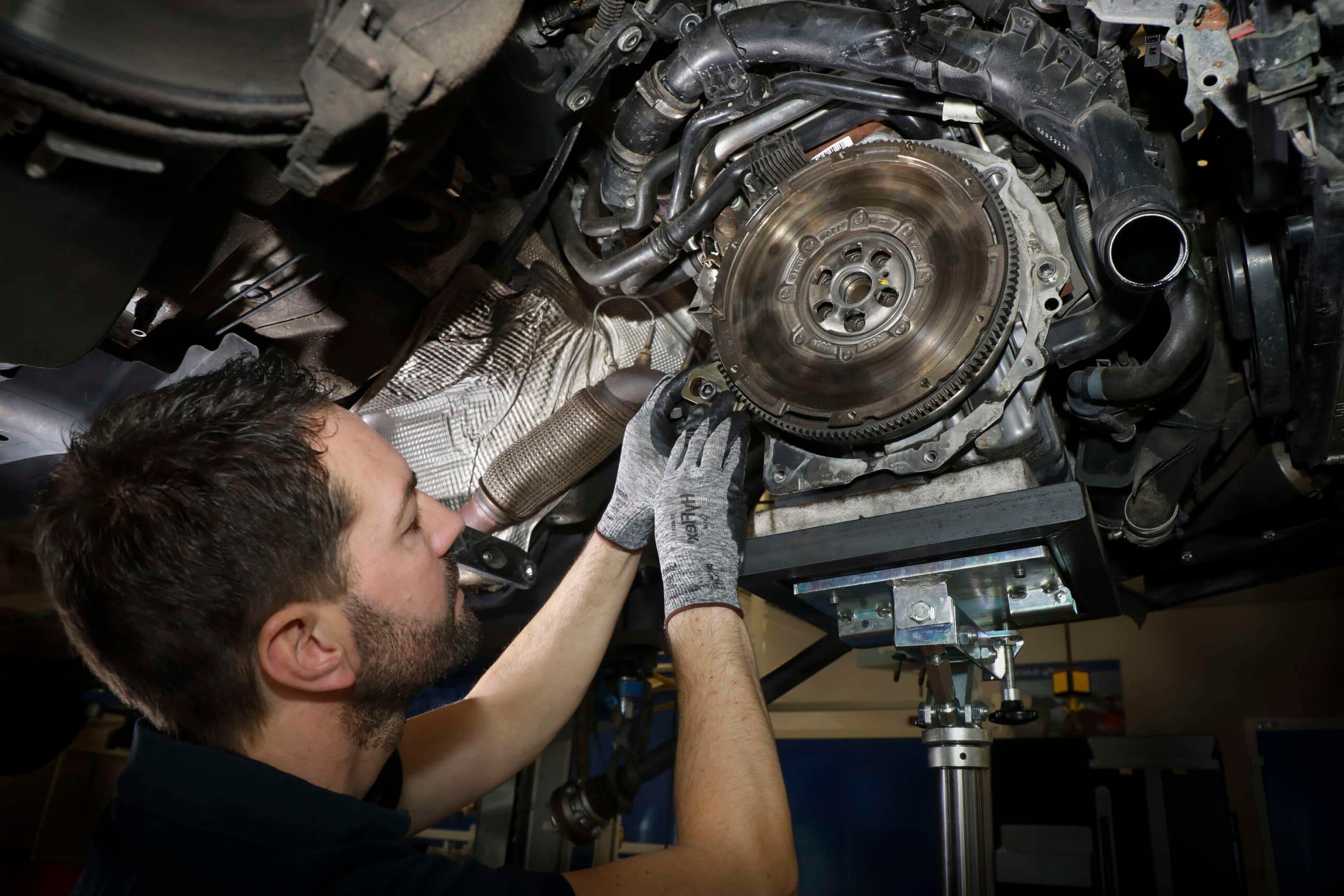
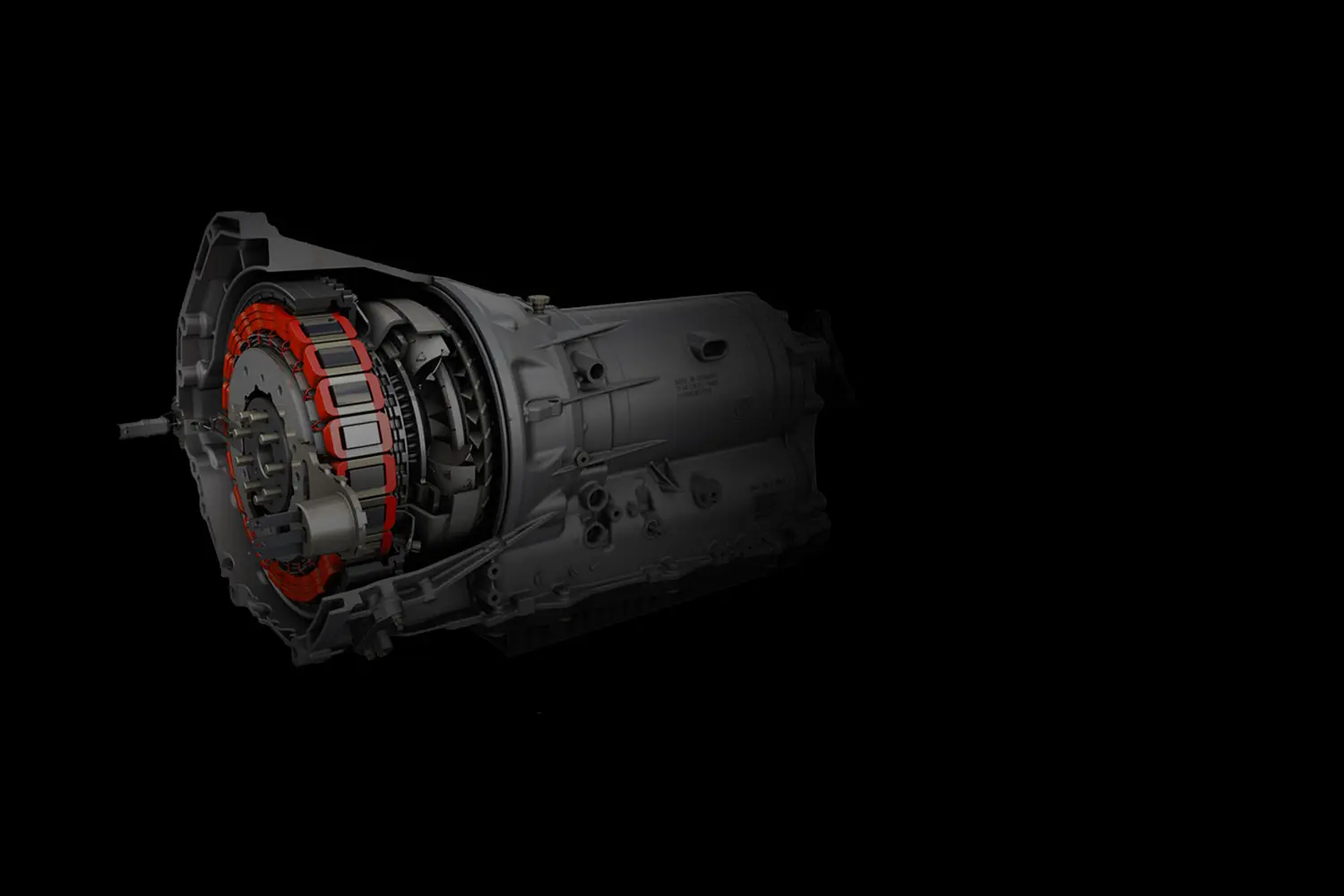
8-Speed Hybrid e-CVT (Toyota, Lexus)
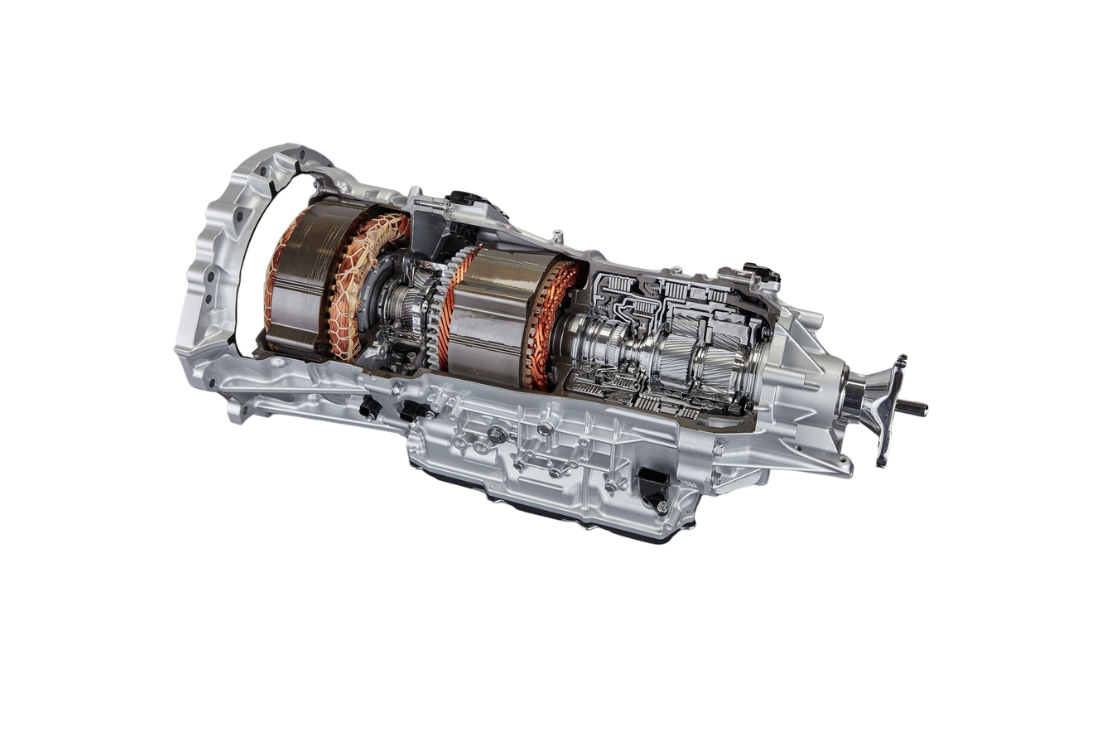
Toyota and Lexus rolled out the 8-Speed Hybrid e-CVT in the late 2010s, claiming a blend of electric smoothness and stepped-gear sensation. Early users enjoyed the refined driving and subtle transitions. Later, certain owners remarked on a high-pitched whine under load, but it stayed well-regarded for efficiency.
Have a Problem?
Common Problems With 8-Speed Hybrid e-CVT (Toyota, Lexus)
Common 8-Speed Hybrid e-CVT Problems
These transmissions combine e-CVT principles with fixed gear steps in some Toyota/Lexus hybrids, offering efficiency and power. Still, issues can arise.
High Engine Rev Under Load
When climbing hills or overtaking, the engine may rev noticeably, even if speed increases slowly.
Potential Causes: Hybrid synergy drive pushing engine to high revs for battery recharge, limited battery assist, or fluid warming cycles.
Shudder Switching Between EV and Engine
A mild jolt or hesitation can be felt when the petrol engine kicks in at moderate speeds.
Potential Causes: Sync mismatch between electric motor and engine crank, partial generator torque offset.
Overheating in Extended Mountain Driving
Long climbs with heavy cargo can elevate system temperatures, forcing reduced performance or warnings.
Potential Causes: Battery and inverter stress, coolant system under heavy strain, or engine forced to high revs for extended durations.
Limited Electric-Only Range Depletion
Some owners are disappointed if the car quickly reverts to engine power, particularly in cold or hot conditions.
Potential Causes: Battery temperature constraints, software preserving battery life, or air conditioning load forcing engine use.
Maintenance Recommendations
Keep the hybrid cooling and battery condition in check via regular inspections. Battery pack health is critical to maintaining performance. Avoid extended heavy-load scenarios if possible, and follow Toyota/Lexus guidelines for fluid changes in the e-CVT system if recommended.
Popular Cars with this Gearbox
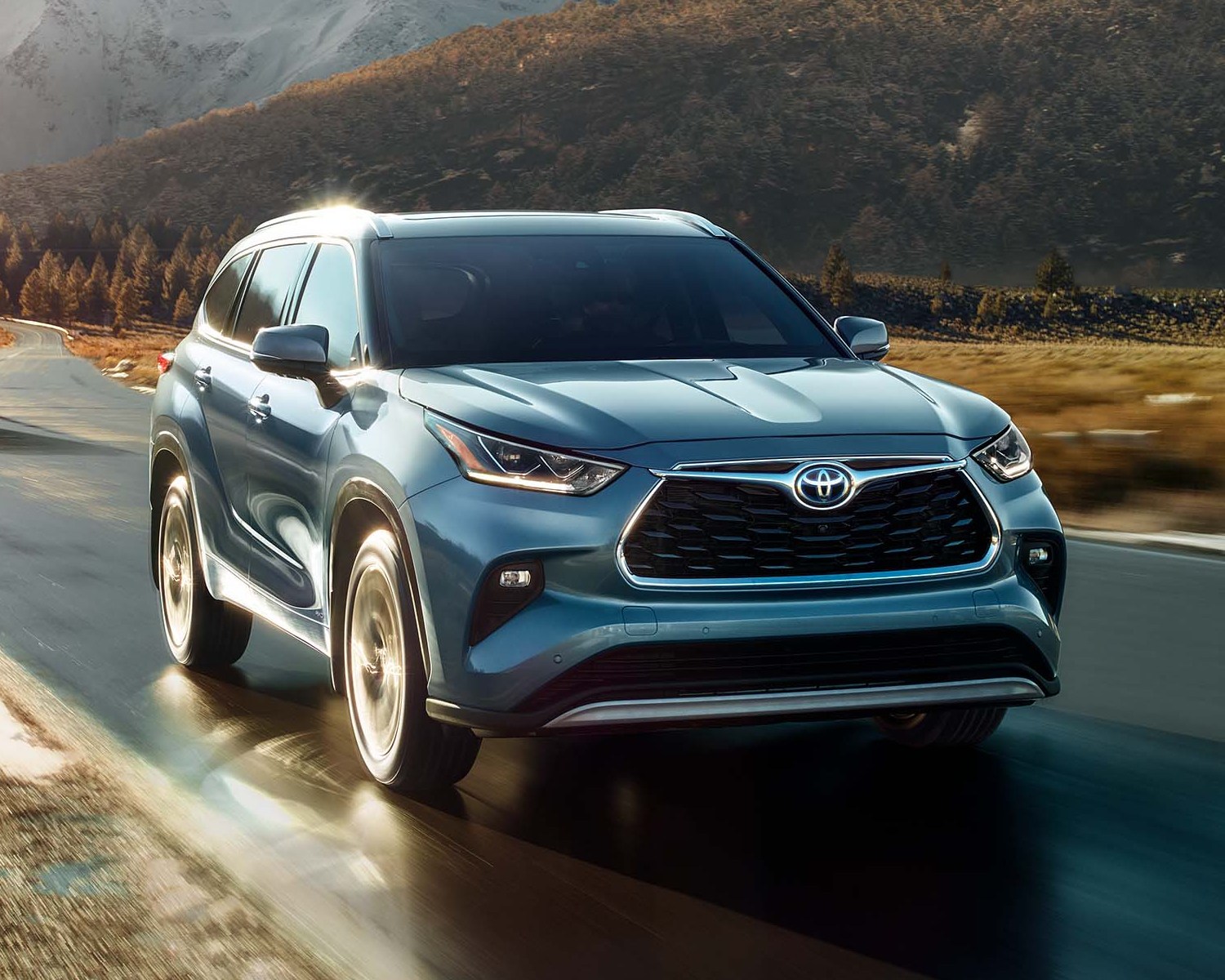
Toyota Highlander Hybrid
The Highlander Hybrid joined Toyota’s global lineup as a large SUV offering a more eco-friendly alternative to standard petrol V6s. Although traditionally more popular in North America, it made headway in the UK for families needing seven seats and lower emissions. Its combination of Toyota’s hybrid system, spacious cabin, and reliability formed a niche among those wanting a bigger SUV with better fuel economy.
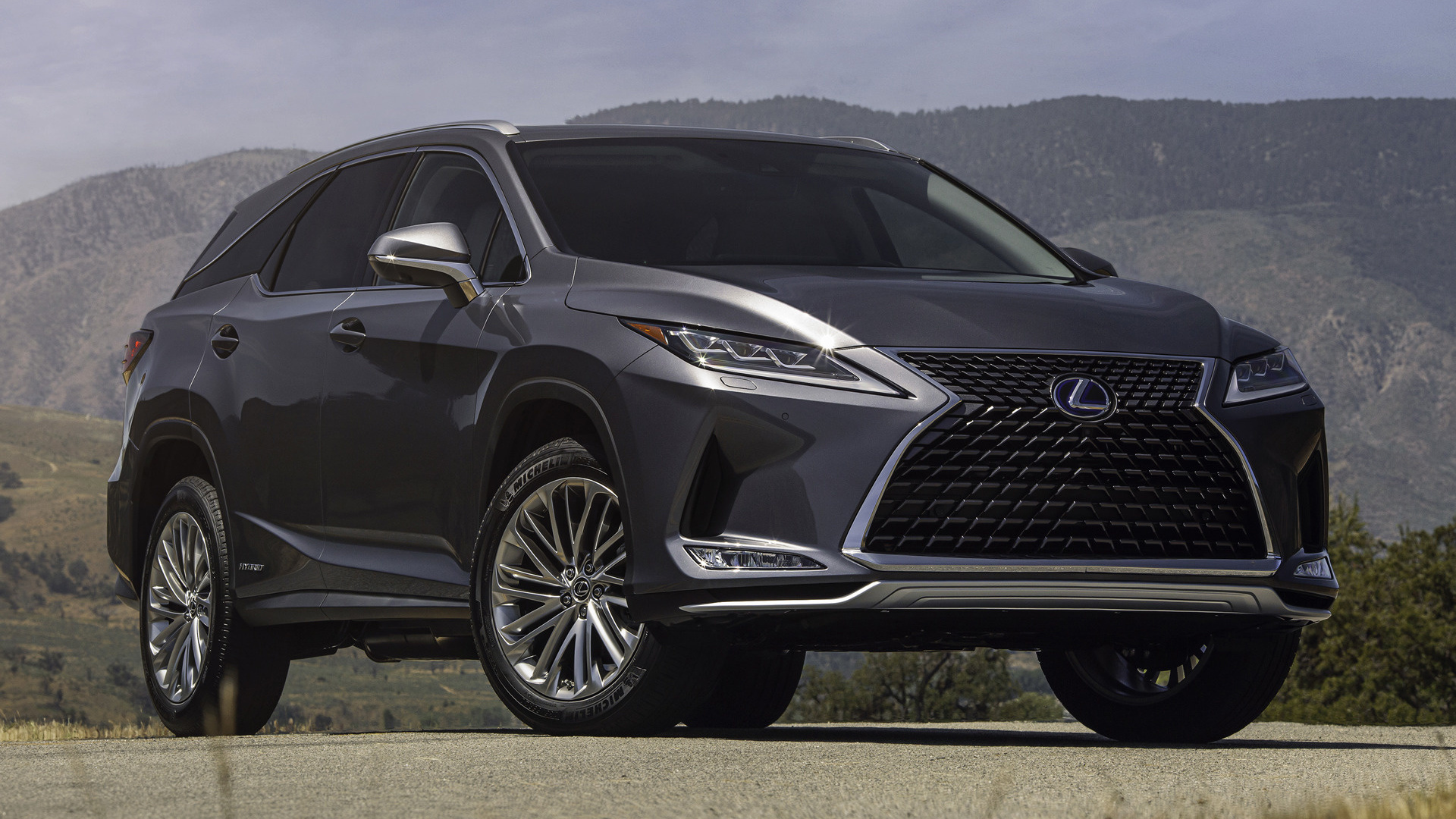
Lexus RX Hybrid
The Lexus RX debuted in the late 1990s, pioneering the luxury crossover niche, and the hybrid version launched mid-2000s. UK drivers liked the blend of a smooth V6 with electric assistance for better MPG and low tax rates. Over successive iterations, Lexus enhanced ride comfort and introduced bold styling. It appealed to families wanting a premium badge, reliability, and refined hybrid power over diesel alternatives.
Is Your Vehicle Included?
Cars Using the 8-Speed Hybrid e-CVT (Toyota, Lexus)
- Toyota: Highlander Hybrid (newer generation), Sienna Hybrid
- Lexus: RX 450h (newer), LC 500h, ES 300h (post-2018)
Have a question?
Frequently asked questions
How much will it cost to repair my gearbox?
It’s difficult to provide a definitive answer without a proper diagnostic, as the cost of a gearbox repair can vary depending on several factors. The make and model of the car, as well as the type of gearbox, can significantly impact the cost.
If you’re experiencing issues with your gearbox, the best course of action is to contact one of our specialist team who will be able to provide you with an initial quotation.
What causes a gearbox to become faulty?
There are several factors that can contribute to a gearbox becoming faulty. Some of the most common causes include:
-
Lack of maintenance: Regular maintenance, including changing the gearbox oil and replacing worn parts, can help prevent damage to the gearbox.
-
Wear and tear: Over time, the gears and other components of the gearbox can become worn, leading to issues such as grinding or difficulty shifting.
-
Overheating: Excessive heat can damage the gearbox and cause it to fail. This can be caused by a variety of factors, including driving at high speeds for extended periods or towing heavy loads.
-
Contamination: Dirt, debris, or other contaminants can get into the gearbox and cause damage to the gears and bearings.
-
Manufacturer defects: In some cases, the gearbox may have been manufactured with a defect that causes it to fail prematurely.
Can I still drive my car if the gearbox is acting strange?
It’s not recommended to continue driving your car if you’re experiencing problems with the gearbox. While you may be able to drive for a short time, ignoring the issue could result in more severe damage to the gearbox and other components of your vehicle.
Continuing to drive with a faulty gearbox could also turn a simple repair into a more complex and expensive one. In some cases, driving with a damaged gearbox could lead to complete gearbox failure, which could result in extensive damage and costly repairs.
If you’re experiencing issues with your gearbox, it’s important to have it diagnosed and repaired by a professional as soon as possible.
Get an initial quote today.
Enter your information and one of our specialists will be in touch.
Contact us
submit an enquiry