

8-Speed Aisin/BMW Steptronic (AWD models)
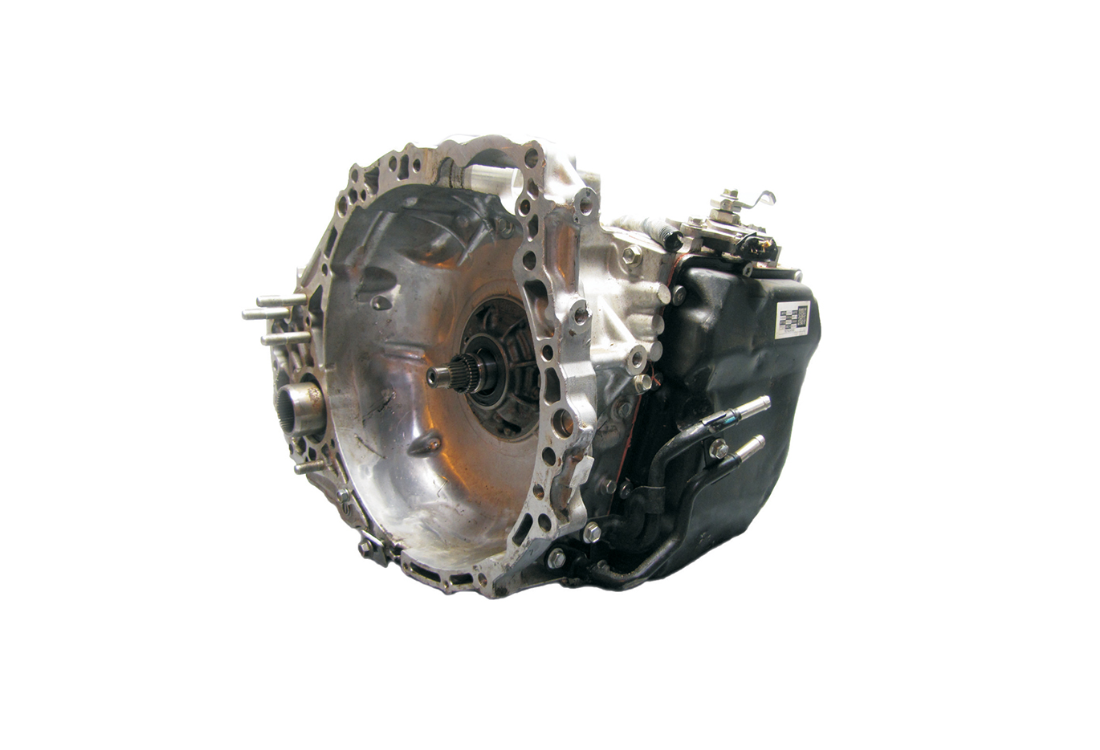
The 8-Speed Aisin/BMW Steptronic landed in the late 2000s, introduced as a refined AWD option in various BMW xDrive and Toyota models. It boasted swift upshifts and balanced efficiency. After a while, though, certain drivers reported occasional harshness in sporty modes or minor gear lag under heavy load.
Have a Problem?
Common Problems With 8-Speed Aisin/BMW Steptronic (AWD models)
Common 8-Speed Aisin/BMW Steptronic AWD Problems
Utilized in certain AWD or xDrive models, this automatic can sometimes display shift irregularities related to power distribution.
Transfer Case Binding Feel
Drivers sense a jolt or binding sensation during tight turns or under sudden acceleration, suggesting AWD and gearbox synchronization issues.
Potential Causes: Transfer case fluid contamination, mismatch in wheel speed sensor data, TCM not adapting properly.
Late or Harsh Upshifts
Prolonged gear hold or abrupt shift can happen under moderate load, leading to a sudden power spike when changing gear.
Potential Causes: Worn clutch packs, low fluid pressure, or software updates needed to refine gear transition timing.
Slip Under Higher Mileages
As the transmission accumulates wear, the friction material may struggle to lock fully under torque, causing mild slip or RPM flare.
Potential Causes: Lack of fluid servicing, repeated towing, or unaddressed minor leaks leading to fluid shortage.
Overheating Warnings
Though typically well-cooled, spirited driving or mountainous terrain may trigger temperature-related warnings in heavier AWD vehicles.
Potential Causes: Undersized transmission cooler, fluid that’s past lifespan, or partial radiator blockage.
Maintenance Recommendations
Consistent fluid checks, especially for AWD systems requiring specialized fluids, can preserve shift quality. Periodic software resets or updates help maintain synergy between the gearbox and transfer case. Watch for early signs of slip or binding to avoid major overhauls.
Popular Cars with this Gearbox
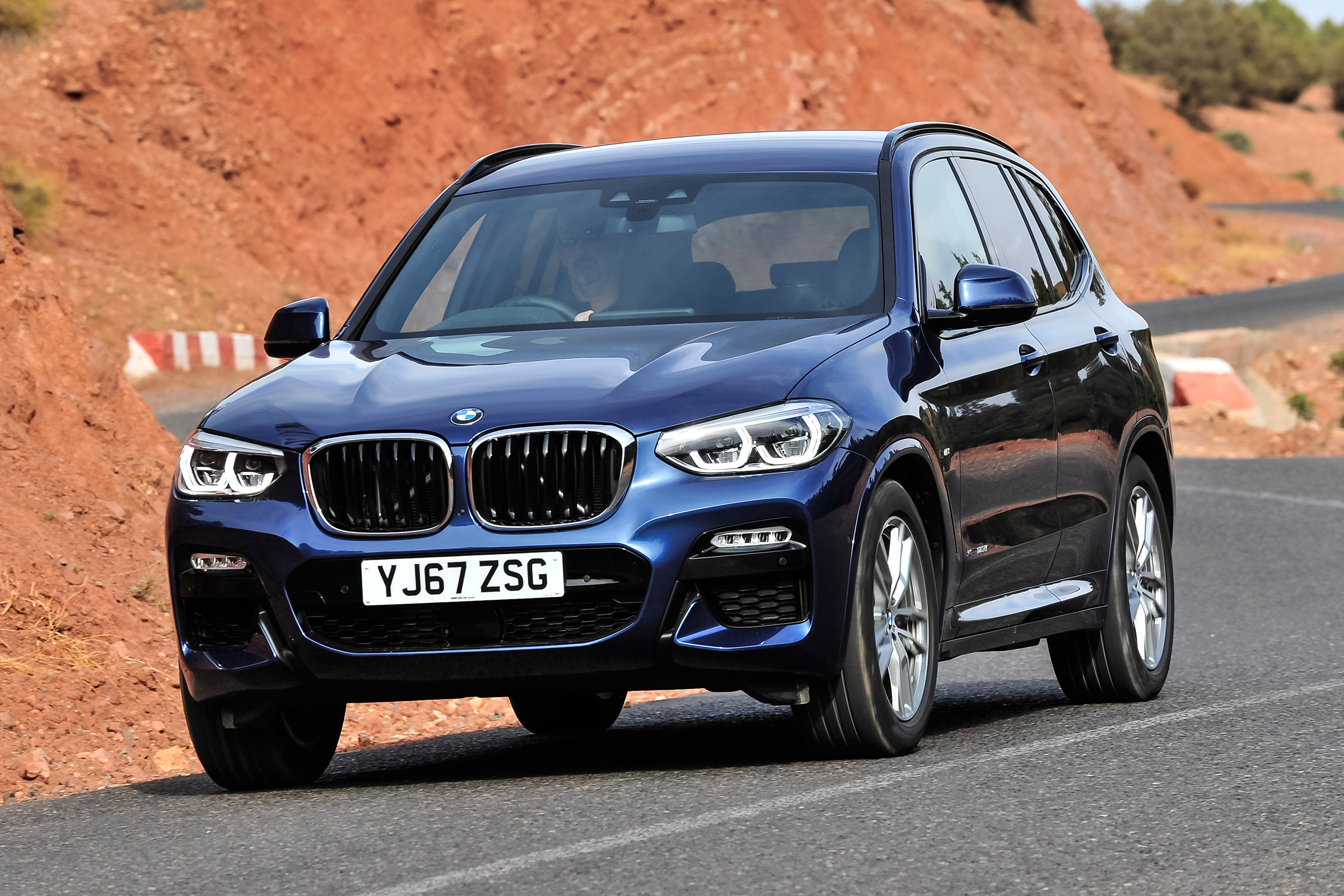
BMW X3
BMW launched the X3 in 2003 as a smaller sibling to the X5, aiming to capture the mid-size premium SUV market. It provided car-like handling, resonating with UK drivers wanting a sporty alternative to more traditional 4x4s. Over successive generations, the X3 gained efficient diesel engines and upscale interiors. Its balance of daily usability and BMW’s driving dynamics helped it stand out among rivals like the Audi Q5 and Mercedes GLC.
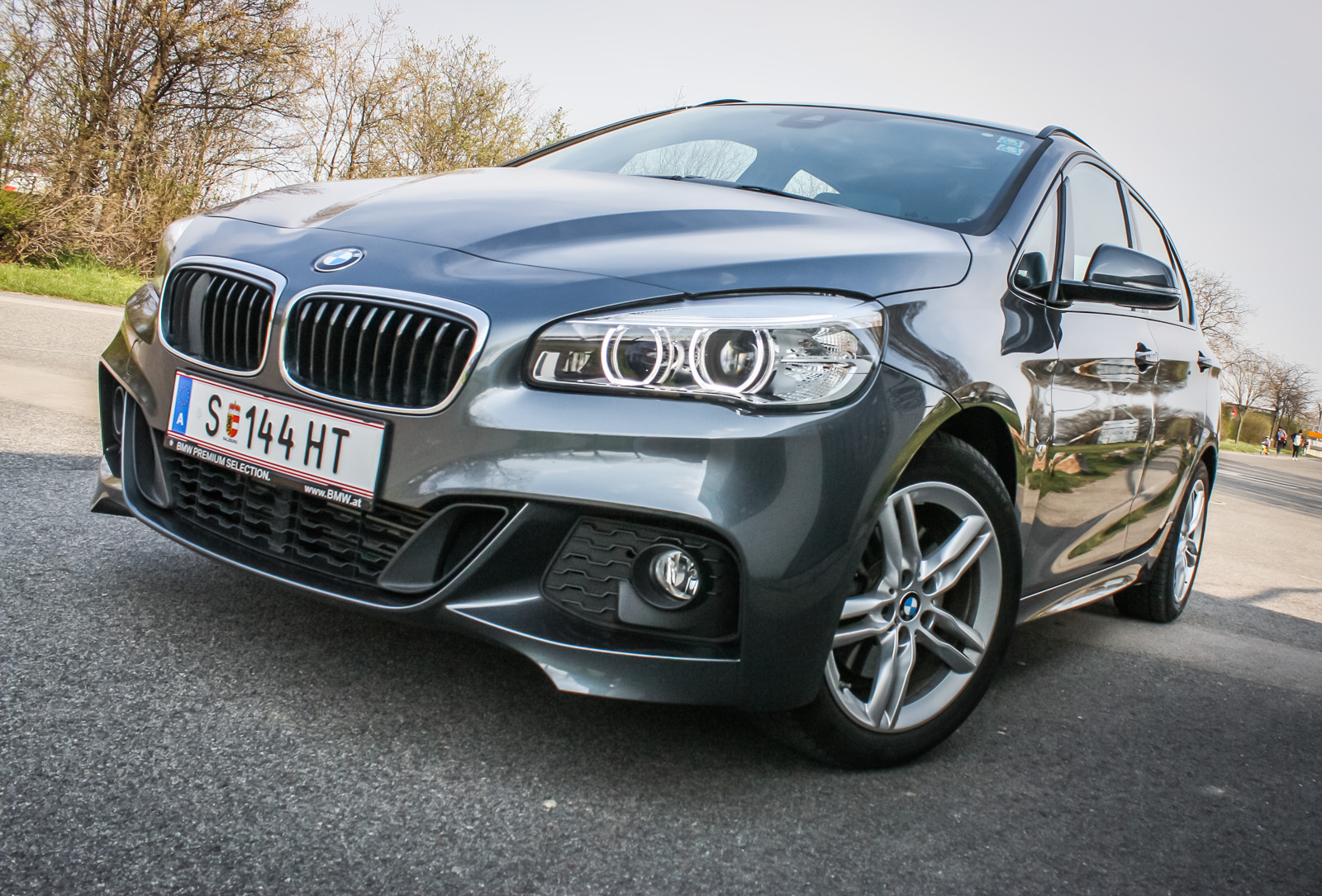
BMW 220D
Released as part of the 2 Series lineup in the mid-2010s, the 220D combined BMW’s diesel efficiency with compact coupe or convertible styling. It attracted younger drivers who wanted a more affordable entry into the brand, plus decent fuel economy for commutes. Subtle design updates and cabin tech improvements arrived with each refresh, preserving its appeal among those seeking a smaller BMW with typical driving dynamics.
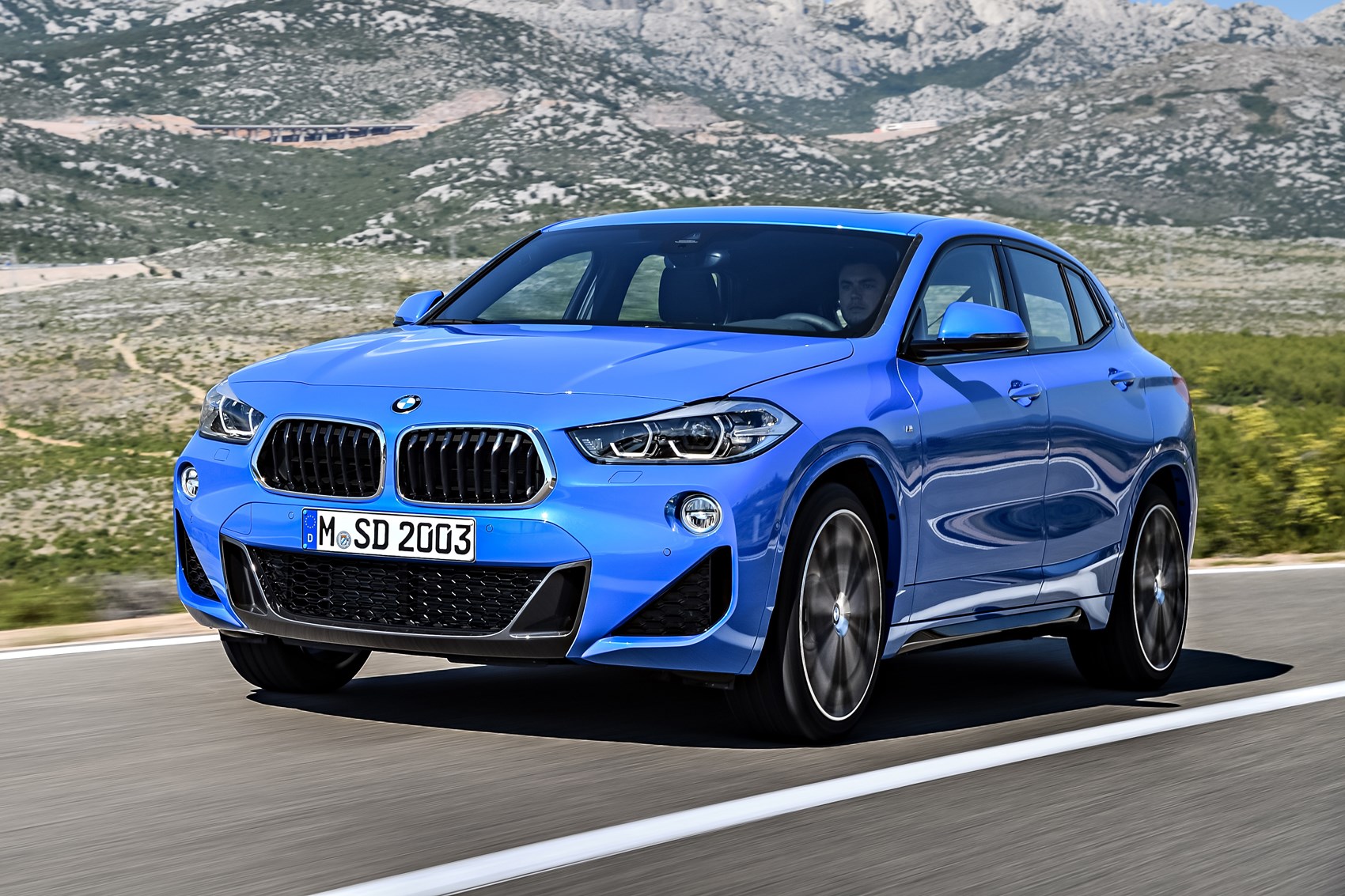
BMW X2
The BMW X2 launched in 2018, aimed at those wanting a more style-driven counterpart to the X1. It borrowed the X1’s platform but added a lower, sportier silhouette. British buyers appreciated its nimble handling and premium cabin. Engine choices included efficient diesels and zippy petrols, with performance-oriented M variants, making it popular among younger, trend-focused drivers wanting a small, premium crossover.
Is Your Vehicle Included?
Cars Using the 8-Speed Aisin/BMW Steptronic (AWD models)
BMW: xDrive 3 Series, xDrive 5 Series, X1, X3, X4, X5
Toyota (select JDM/Asian markets): Crown, Mark X AWD
Volvo: S90 AWD (some versions co-developed with Aisin)
Have a question?
Frequently asked questions
How much will it cost to repair my gearbox?
It’s difficult to provide a definitive answer without a proper diagnostic, as the cost of a gearbox repair can vary depending on several factors. The make and model of the car, as well as the type of gearbox, can significantly impact the cost.
If you’re experiencing issues with your gearbox, the best course of action is to contact one of our specialist team who will be able to provide you with an initial quotation.
What causes a gearbox to become faulty?
There are several factors that can contribute to a gearbox becoming faulty. Some of the most common causes include:
-
Lack of maintenance: Regular maintenance, including changing the gearbox oil and replacing worn parts, can help prevent damage to the gearbox.
-
Wear and tear: Over time, the gears and other components of the gearbox can become worn, leading to issues such as grinding or difficulty shifting.
-
Overheating: Excessive heat can damage the gearbox and cause it to fail. This can be caused by a variety of factors, including driving at high speeds for extended periods or towing heavy loads.
-
Contamination: Dirt, debris, or other contaminants can get into the gearbox and cause damage to the gears and bearings.
-
Manufacturer defects: In some cases, the gearbox may have been manufactured with a defect that causes it to fail prematurely.
Can I still drive my car if the gearbox is acting strange?
It’s not recommended to continue driving your car if you’re experiencing problems with the gearbox. While you may be able to drive for a short time, ignoring the issue could result in more severe damage to the gearbox and other components of your vehicle.
Continuing to drive with a faulty gearbox could also turn a simple repair into a more complex and expensive one. In some cases, driving with a damaged gearbox could lead to complete gearbox failure, which could result in extensive damage and costly repairs.
If you’re experiencing issues with your gearbox, it’s important to have it diagnosed and repaired by a professional as soon as possible.
Get an initial quote today.
Enter your information and one of our specialists will be in touch.
Contact us
submit an enquiry