

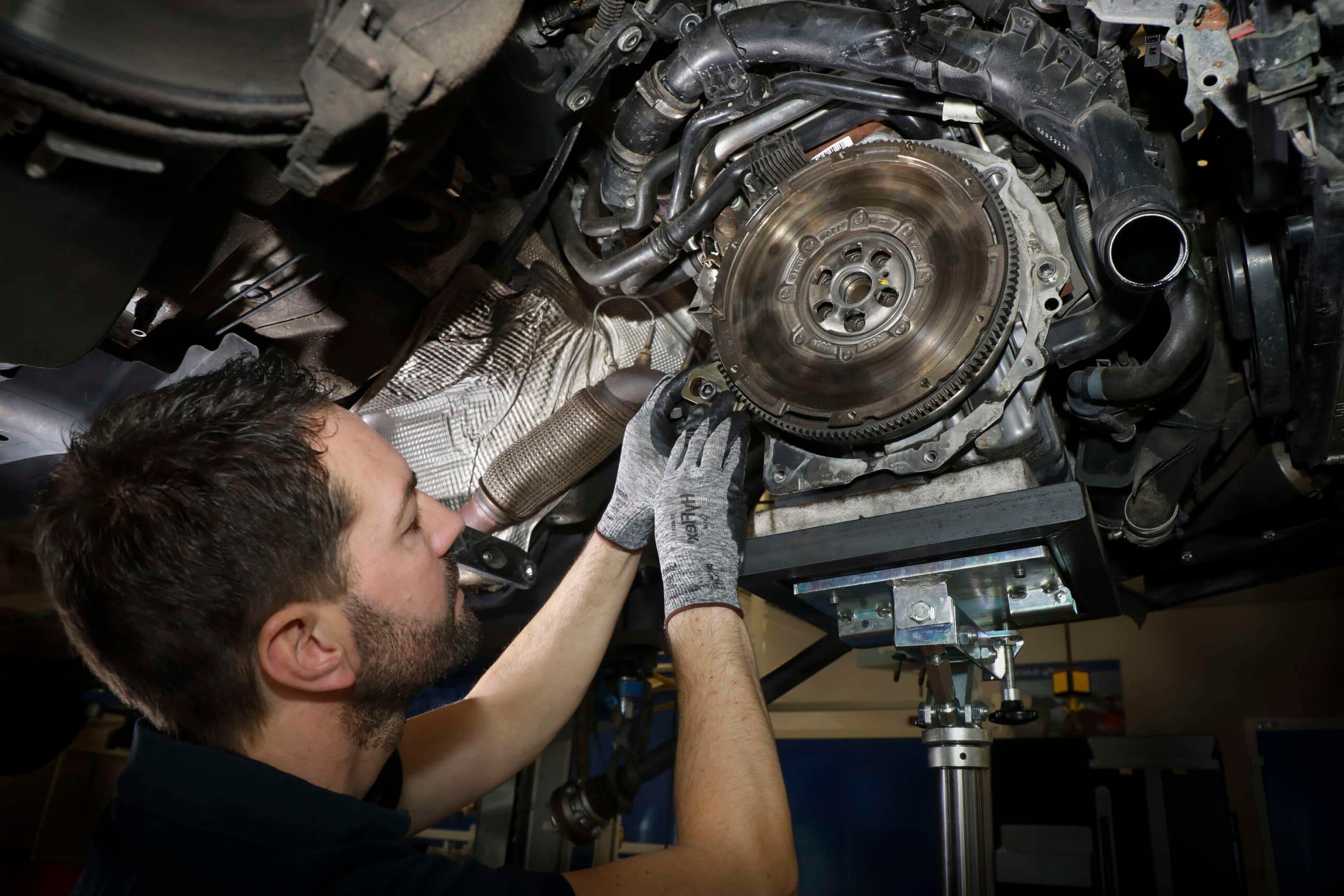
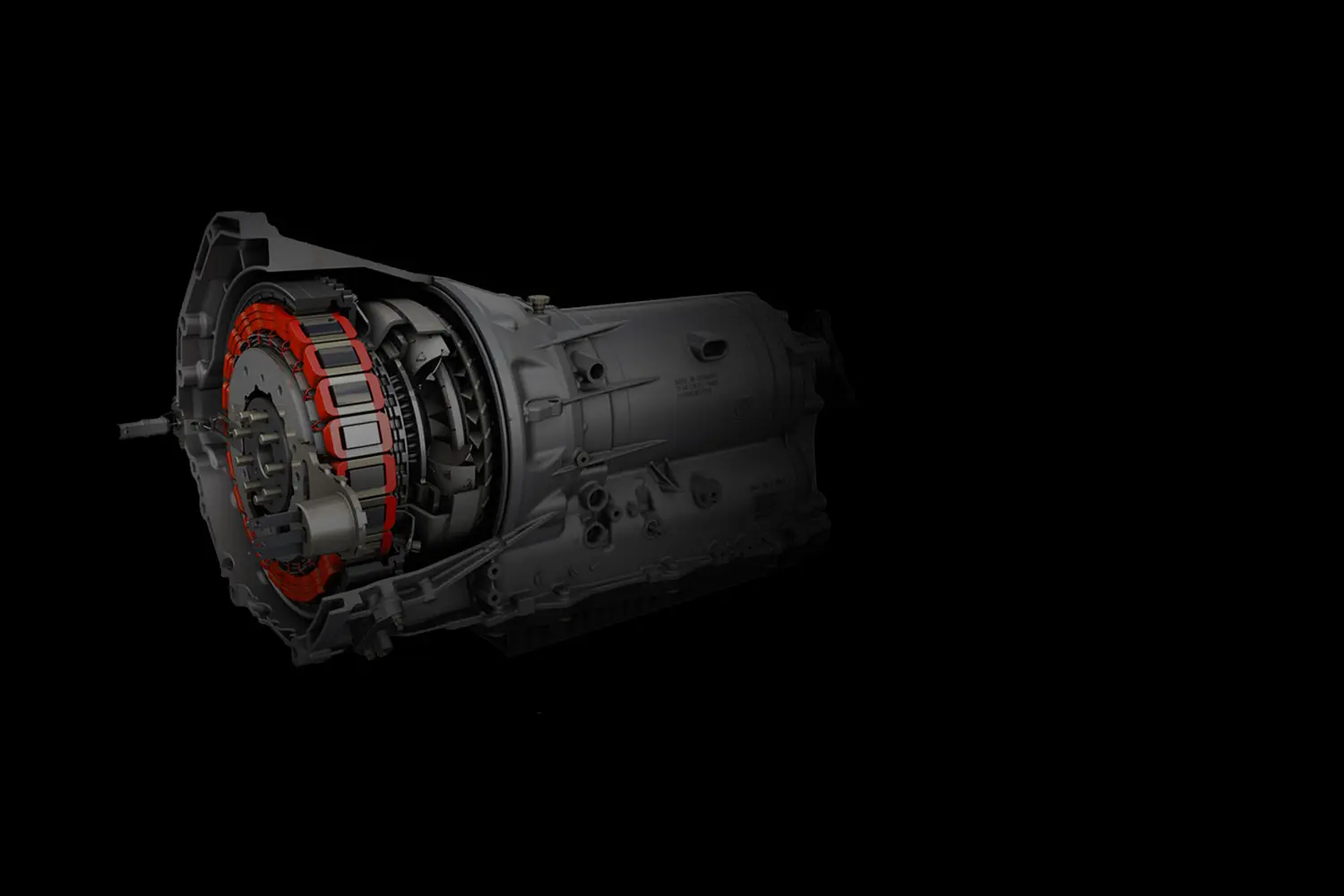
7-Speed S tronic (VW Group DCT)
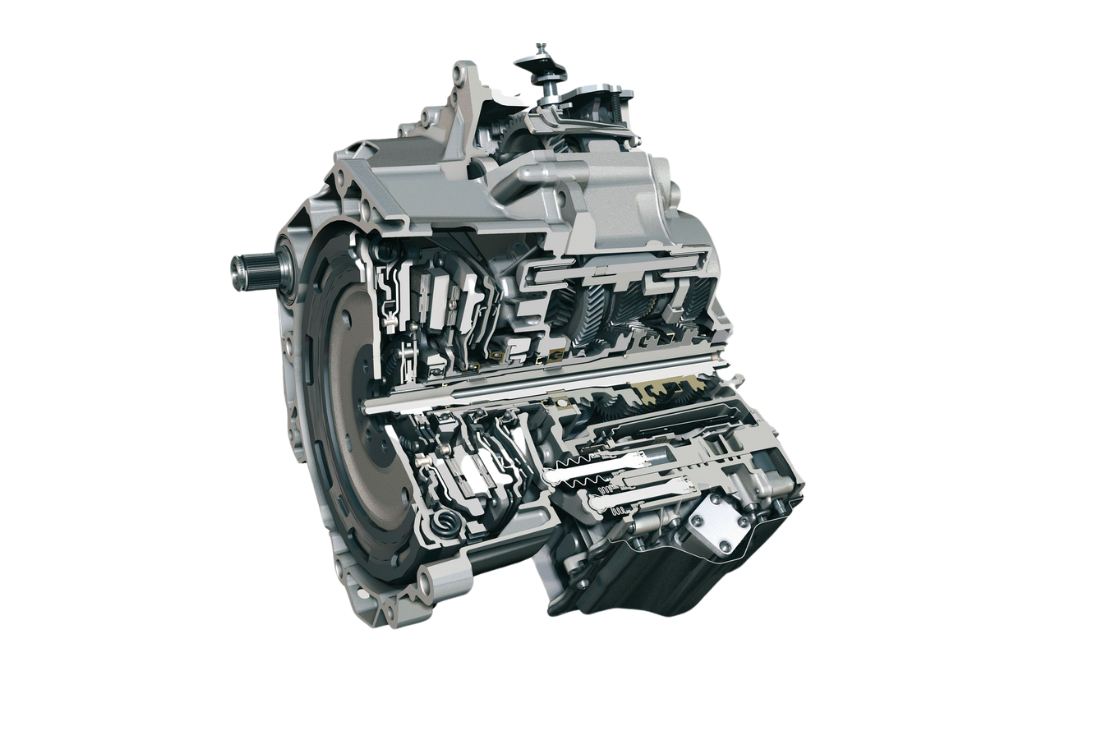
The 7-Speed S tronic appeared around the late 2000s, boasting rapid gear swaps and a dynamic driving experience in Audi and other VW Group models. It often lived up to the hype with smooth upshifts and a sporty edge. Still, certain users found it prone to clutch overheating and rough transitions in stop-and-go traffic.
Have a Problem?
Common Problems With 7-Speed S tronic (VW Group DCT)
Common 7-Speed S tronic Problems
The 7-speed S tronic, also known as a dual-clutch system, aims to blend efficiency with quick gearshifts. Yet, certain faults can develop as mileage increases.
Jerky Starts and Stops
Some owners report a hesitant or lurching sensation when taking off or coming to a halt, pointing to possible clutch or software calibration issues.
Potential Causes: Excess friction material wear, mechatronic valve timing errors, fluid contamination.
Delayed Gear Engagement
Switching from Park or Neutral to Drive or Reverse may take longer than expected, often accompanied by a slight jolt.
Potential Causes: Low hydraulic pressure, worn shift forks, sensor misreads within the mechatronic unit.
Mechatronic Unit Alarms
Warning lights or “transmission fault” messages can appear if the mechatronic unit fails to coordinate gear changes precisely.
Potential Causes: Solenoid block malfunction, electronic control board faults, software bugs.
Harsh Shifts Under Load
Clunky changes or abrupt transitions when accelerating hard can be traced to slip or heat buildup in the dual-clutch assembly.
Potential Causes: Outdated TCM software, worn friction discs, prolonged towing or spirited driving.
Maintenance Recommendations
Changing the DSG oil and filter at recommended intervals is vital. Checking for leaks around seals or the mechatronic housing can detect small issues before they escalate. Prompt software updates help refine gearshift timing.
Popular Cars with this Gearbox
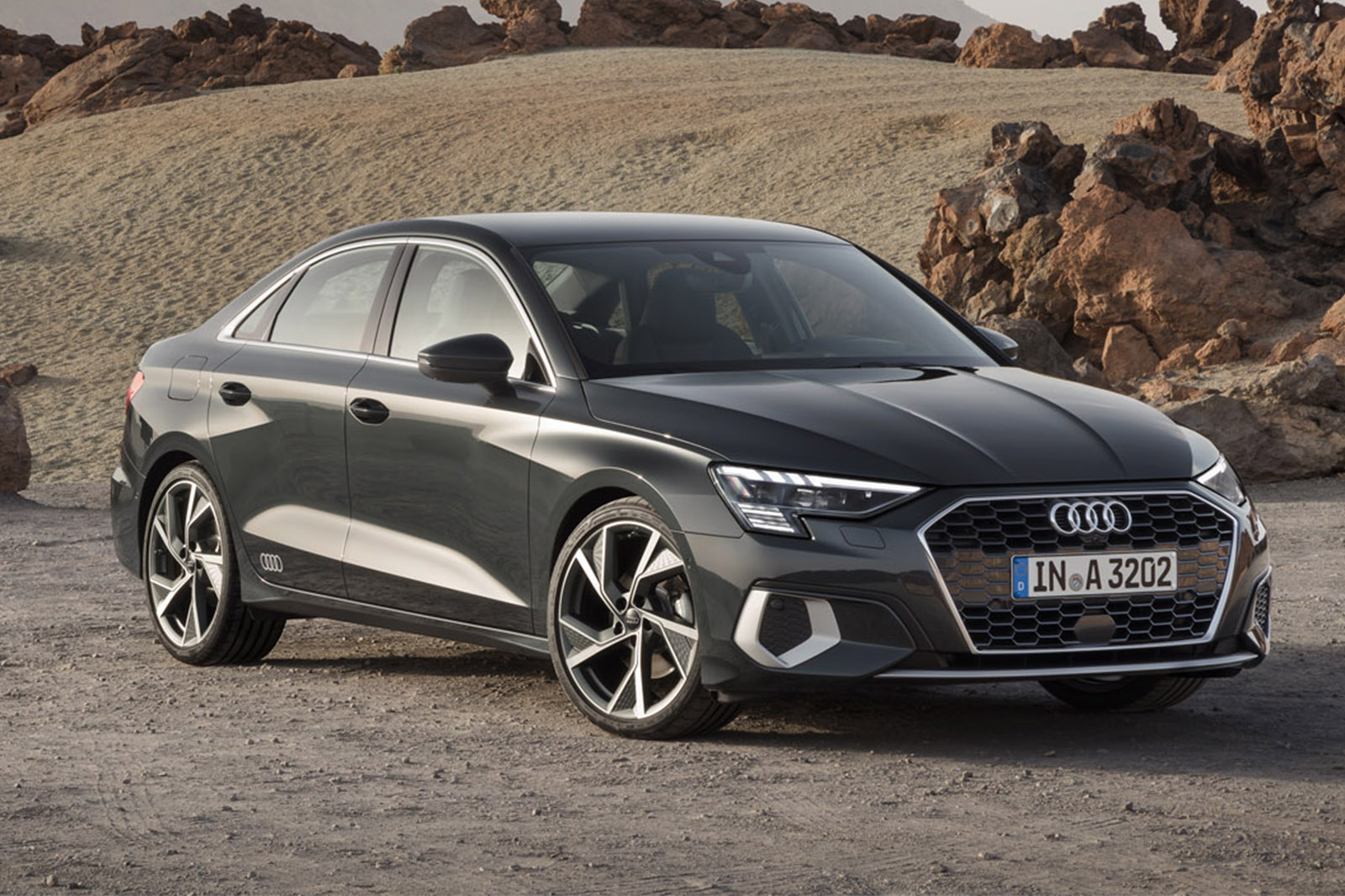
Audi A3
Introduced in the mid-1990s, the Audi A3 aimed to deliver a premium feel in a smaller package. It appealed to British buyers wanting an upscale badge without the bulk of a larger saloon. Over multiple generations, the A3 added technology upgrades and efficient engines, including TFSI and TDI variants. Its tidy dimensions and refined driving experience won over urban professionals who valued comfort and prestige in a compact form.
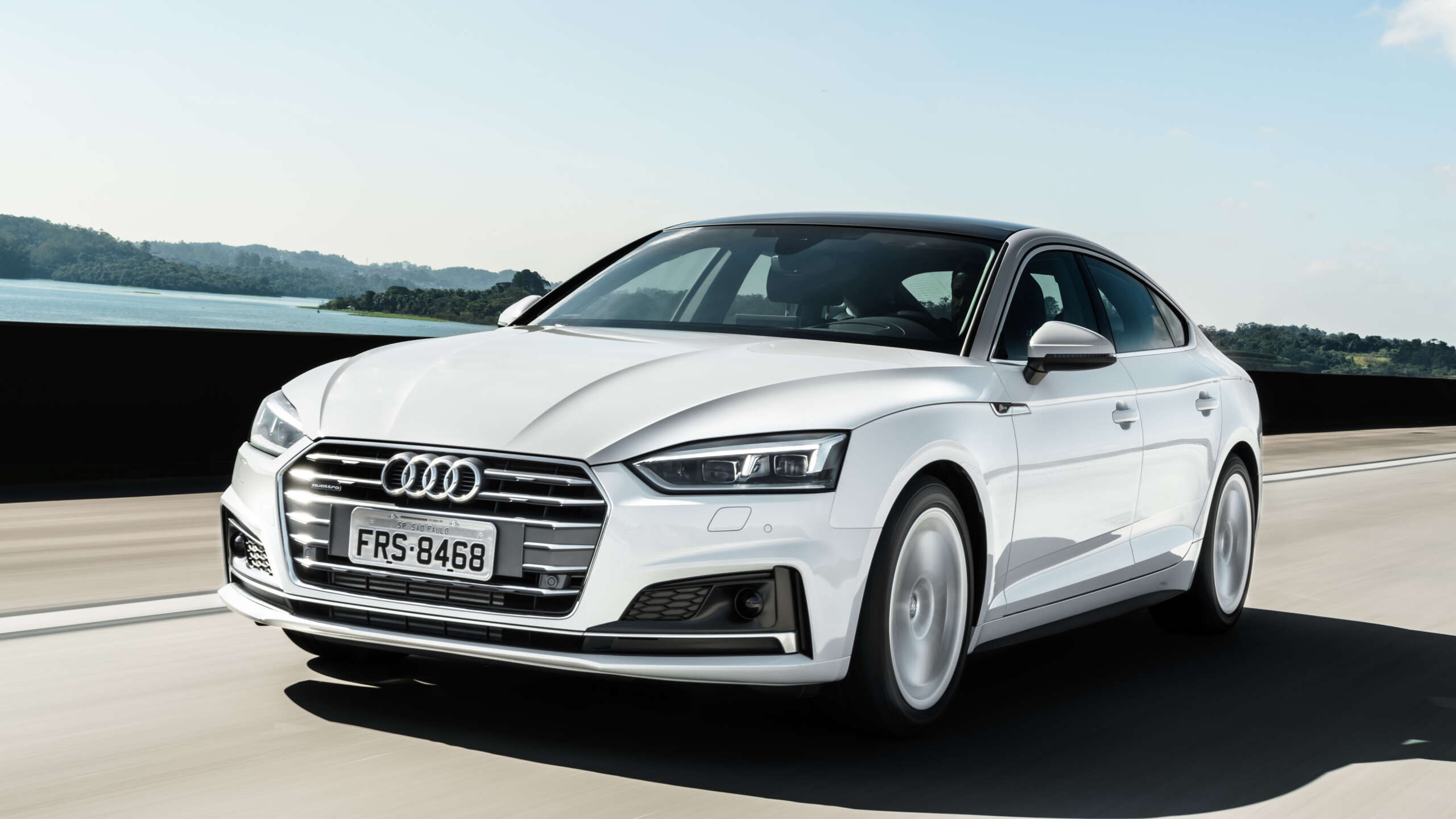
Audi A5
Introduced around 2007 as a stylish coupé and later evolving into Sportback and Cabriolet forms, the A5 aimed to marry sleek design with Audi’s hallmark refinement. British buyers enjoyed its balanced handling, wide engine range, and premium interior. Facelifts brought sharper lines and more tech. It became a staple for those wanting a grand tourer feel without the larger footprint of an A7 or a pure sports model.
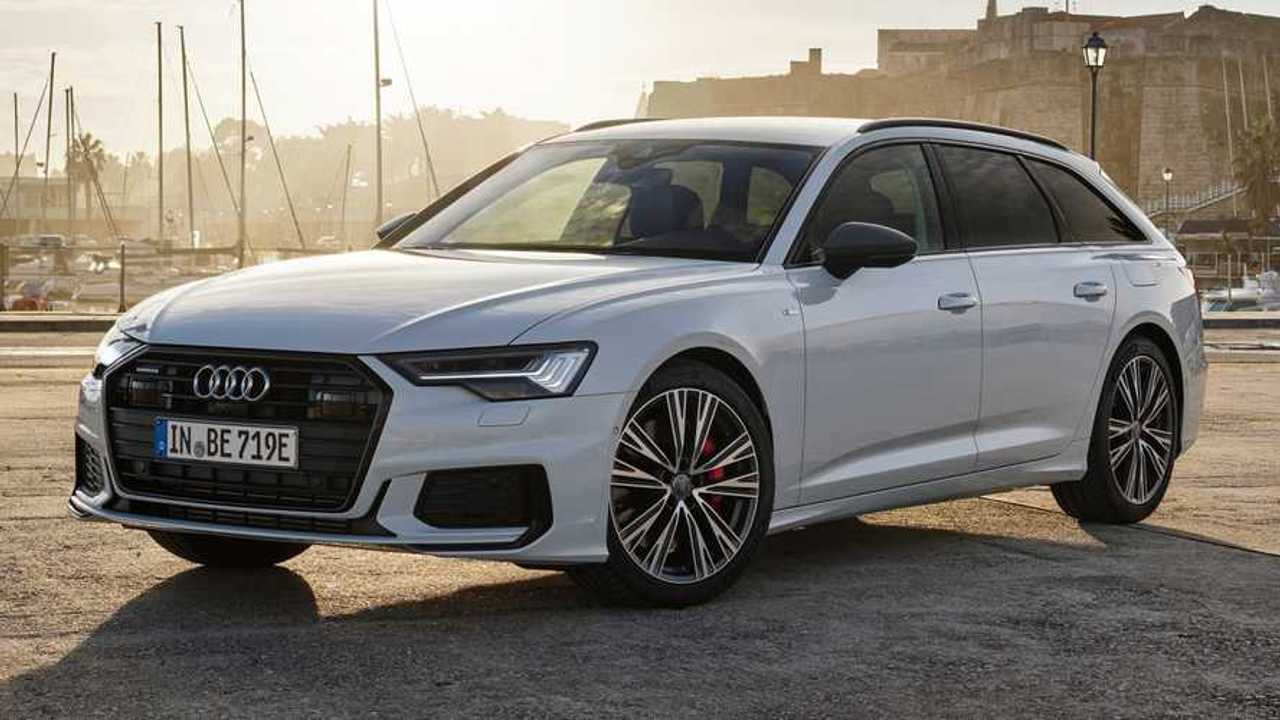
Audi A6
Evolving from the Audi 100 in the mid-1990s, the Audi A6 aimed to challenge BMW and Mercedes in the executive saloon space. British fleet managers appreciated the diesel efficiency, while private owners liked the refined cabin. Over multiple generations, it embraced Quattro all-wheel drive and advanced infotainment. This blend of comfort, technology, and brand prestige made it a strong contender in the business saloon market.
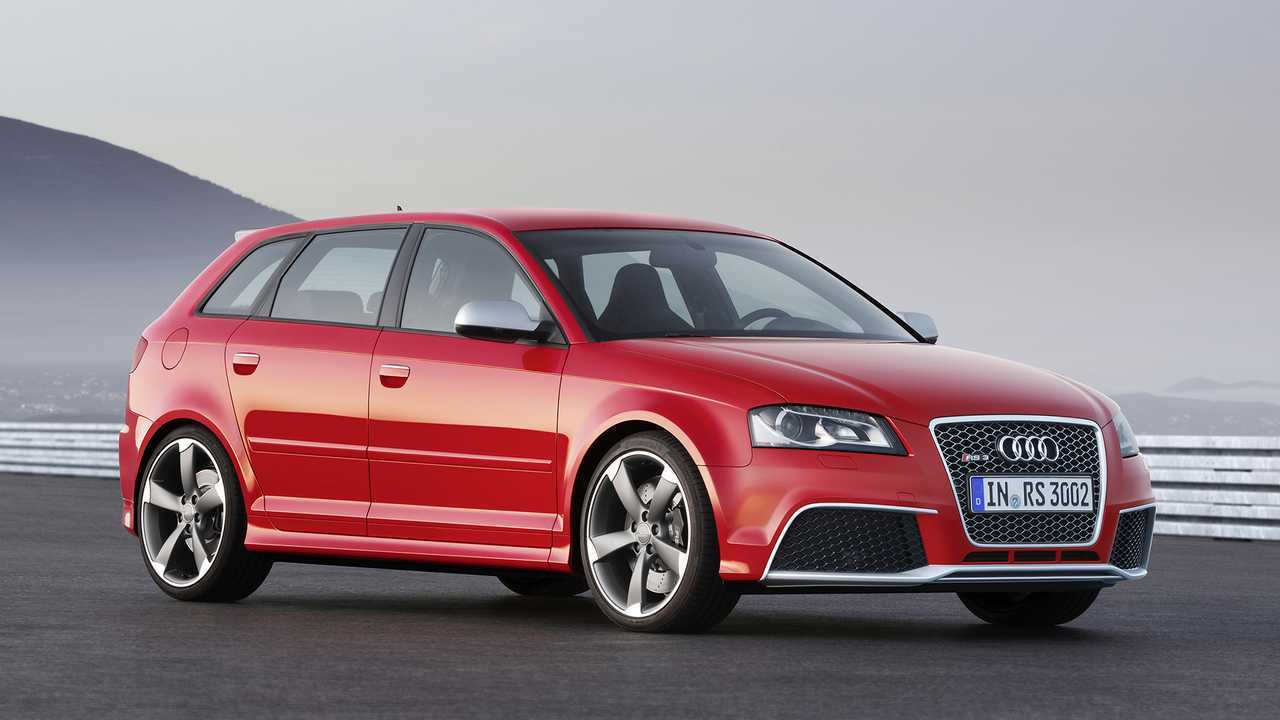
Audi RS models
Audi’s RS lineup, starting with the RS2 Avant in the mid-1990s, delivers high-performance versions of standard models (e.g., RS3, RS4, RS6). Each RS car features Quattro all-wheel drive, beefed-up suspensions, and potent turbocharged engines. UK enthusiasts value the stealthy looks and everyday usability, making RS variants favorites among those wanting sports-car power in a practical body style.
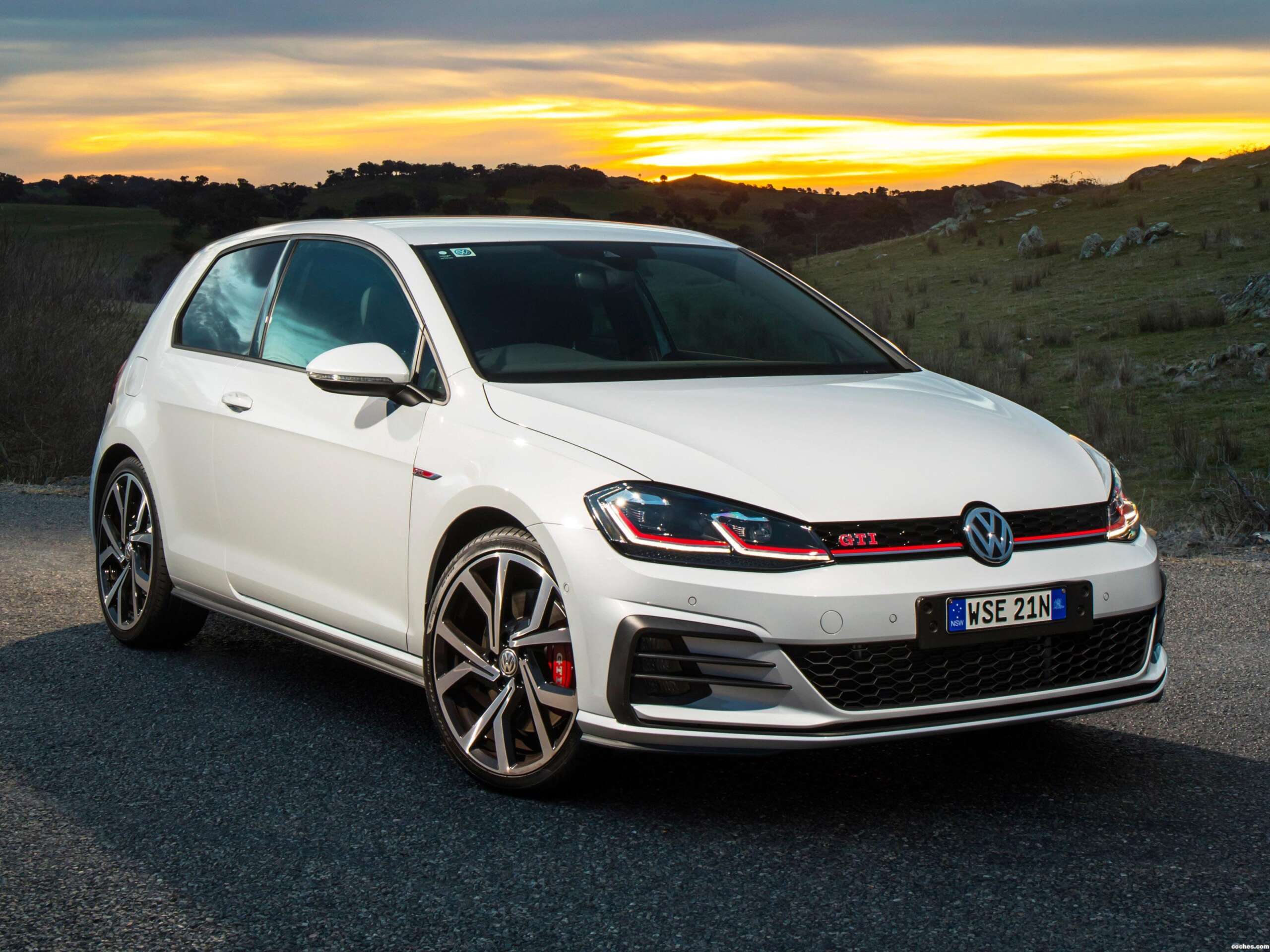
Volkswagen Golf GTI
Debuting in 1976, the Golf GTI is widely credited with creating the hot hatch segment by blending everyday practicality with spirited performance. Over each generation, it gained more power, refined styling, and advanced technology. Its lively handling and iconic heritage continue to attract enthusiasts and casual drivers alike, maintaining its reputation as a benchmark for sporty hatchbacks.
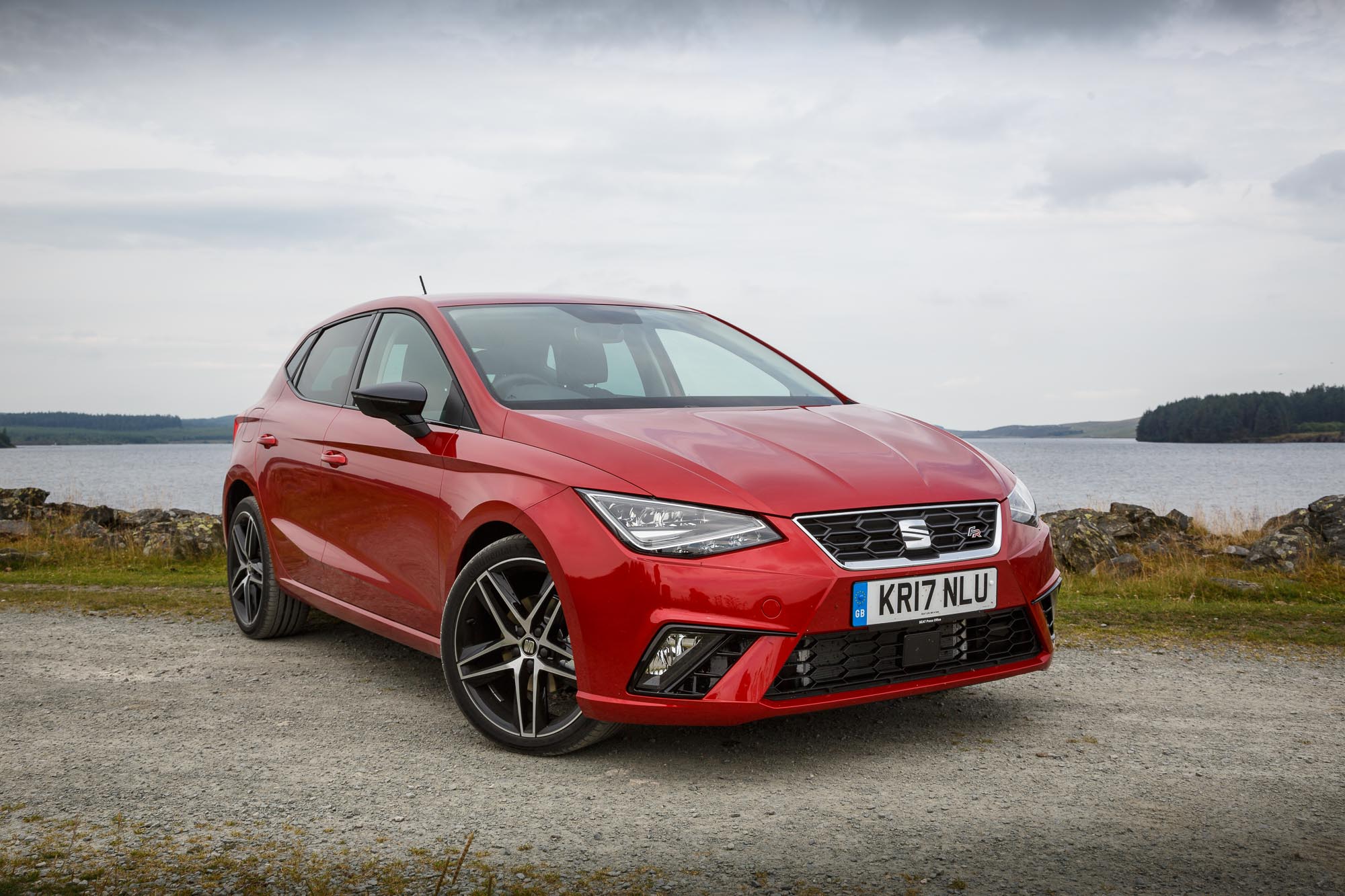
SEAT Ibiza FR
Launched in 1984, the Ibiza became SEAT’s bestselling model, offering affordable style and economy. The FR trim adds a sharper driving edge and sportier design cues without sacrificing everyday usability. Through multiple updates, it has gained modern infotainment, improved efficiency, and upgraded materials, appealing to young drivers seeking a dynamic yet practical small car.
Is Your Vehicle Included?
Cars Using the 7-Speed S tronic (VW Group DCT)
- Audi: A4 (certain trims), A5, S3, Q3, Q5 (specific engine options), TT (later models)
- Volkswagen: Arteon, T-Roc (in some markets)
- SEAT: Leon Cupra (select variants)
- Škoda: Karoq, Kodiaq (with specific powertrains)
Have a question?
Frequently asked questions
How much will it cost to repair my gearbox?
It’s difficult to provide a definitive answer without a proper diagnostic, as the cost of a gearbox repair can vary depending on several factors. The make and model of the car, as well as the type of gearbox, can significantly impact the cost.
If you’re experiencing issues with your gearbox, the best course of action is to contact one of our specialist team who will be able to provide you with an initial quotation.
What causes a gearbox to become faulty?
There are several factors that can contribute to a gearbox becoming faulty. Some of the most common causes include:
-
Lack of maintenance: Regular maintenance, including changing the gearbox oil and replacing worn parts, can help prevent damage to the gearbox.
-
Wear and tear: Over time, the gears and other components of the gearbox can become worn, leading to issues such as grinding or difficulty shifting.
-
Overheating: Excessive heat can damage the gearbox and cause it to fail. This can be caused by a variety of factors, including driving at high speeds for extended periods or towing heavy loads.
-
Contamination: Dirt, debris, or other contaminants can get into the gearbox and cause damage to the gears and bearings.
-
Manufacturer defects: In some cases, the gearbox may have been manufactured with a defect that causes it to fail prematurely.
Can I still drive my car if the gearbox is acting strange?
It’s not recommended to continue driving your car if you’re experiencing problems with the gearbox. While you may be able to drive for a short time, ignoring the issue could result in more severe damage to the gearbox and other components of your vehicle.
Continuing to drive with a faulty gearbox could also turn a simple repair into a more complex and expensive one. In some cases, driving with a damaged gearbox could lead to complete gearbox failure, which could result in extensive damage and costly repairs.
If you’re experiencing issues with your gearbox, it’s important to have it diagnosed and repaired by a professional as soon as possible.
Get an initial quote today.
Enter your information and one of our specialists will be in touch.
Contact us
submit an enquiry