

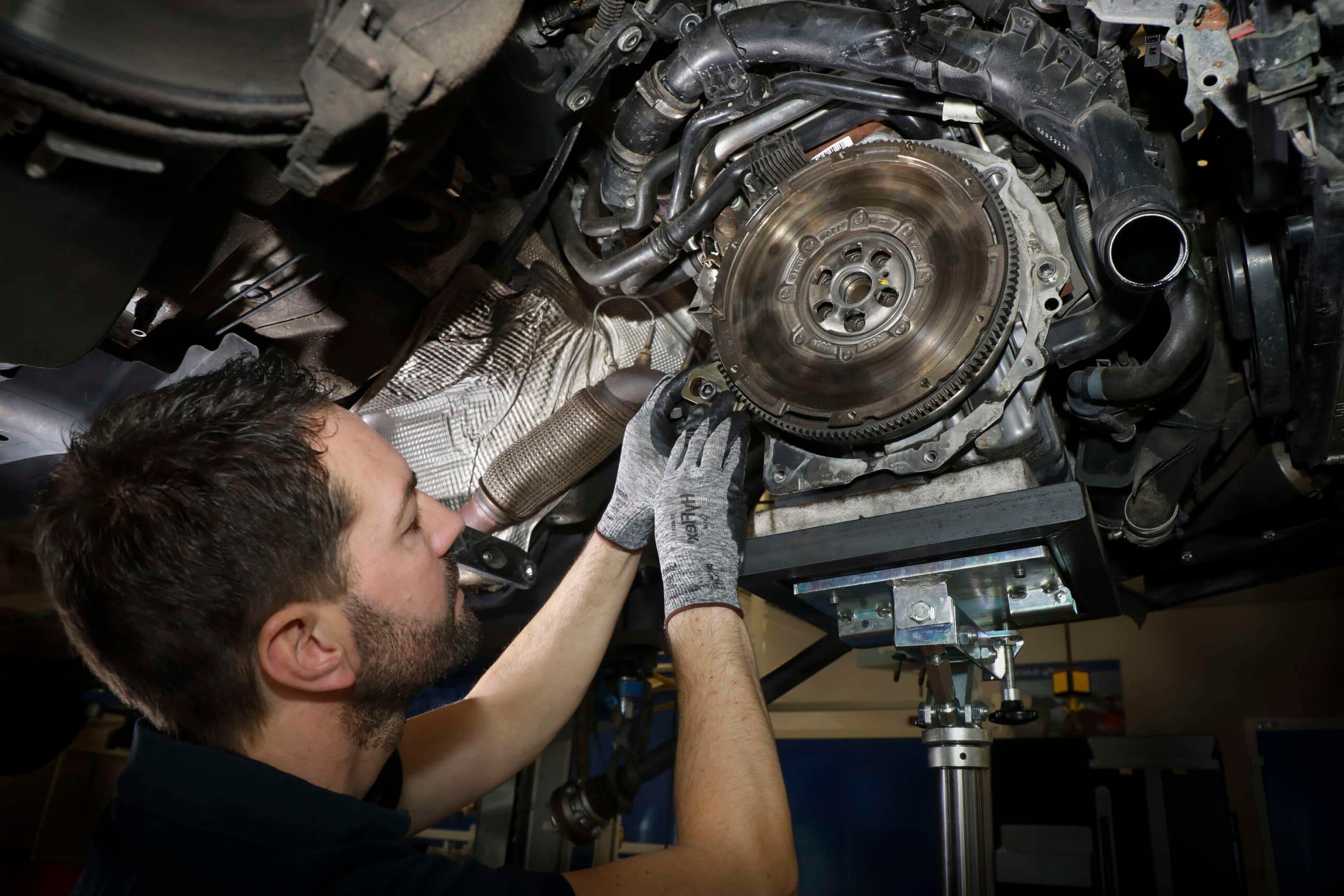
7-Speed PDK (Porsche Sports Models)
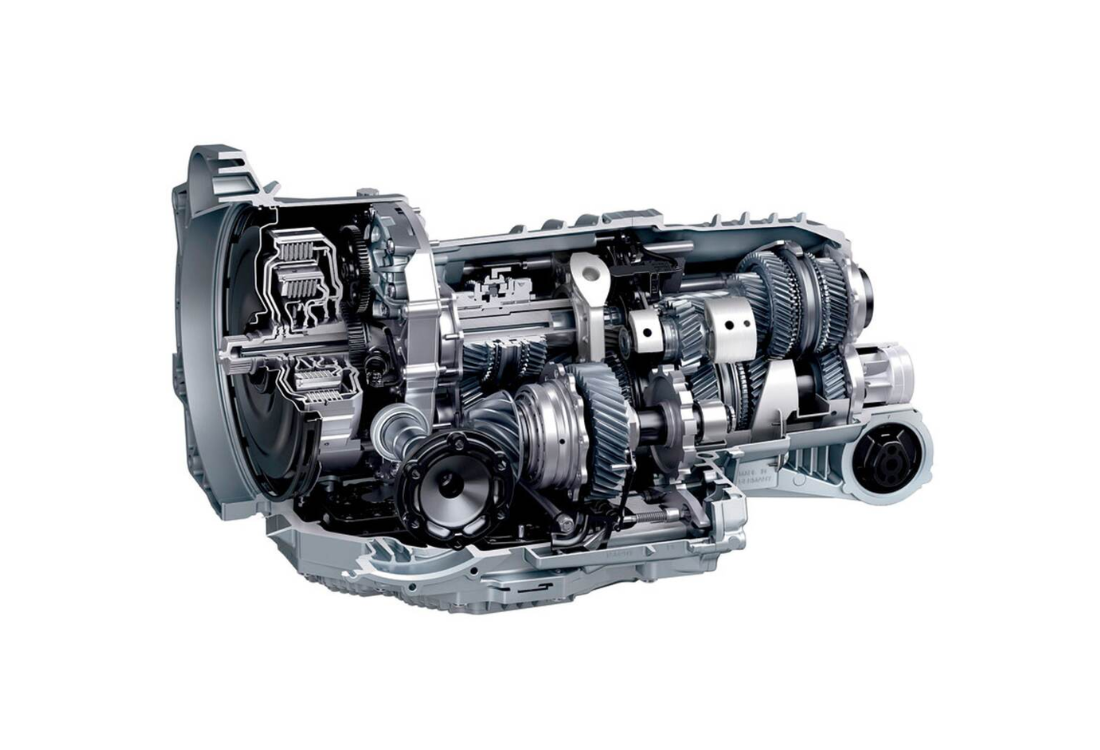
The 7-Speed PDK launched around 2009, thrilling Porsche fans with promises of split-second gear changes and race-worthy performance. From the start, it was celebrated for its lightning-fast shifts and uncanny precision. Still, a small group of drivers flagged minor chatter in stop-and-go traffic, proving even top-tier tech can have quirks.
Have a Problem?
Common Problems With 7-Speed PDK (Porsche Sports Models)
Common 7-Speed PDK Problems
Porsche’s 7-speed dual-clutch offers lightning-fast shifts, yet track use or harsh driving can reveal weaknesses.
Launch Control Stress
Repeated launches can burn the clutch packs, leading to slipping or harsh gear engagements.
Potential Causes: Excess friction heat in the clutch pack, insufficient cooling time between runs.
Overheating During Extended Track Sessions
Race-like conditions push the gearbox fluid to high temperatures, risking limp mode or degraded shift quality.
Potential Causes: Factory cooling limits, friction disc heat cycling, or extended high-rpm operation.
Rough Downshifts at High RPM
When quickly reducing speed from near redline, the transition can jolt the vehicle if the TCM struggles to match revs precisely.
Potential Causes: Software needing track calibration, synchro stress, partial servo or sensor lags.
Minor “Bucking” in City Traffic
The PDK’s performance orientation sometimes translates to lurchy low-speed operation if the driver modulates the throttle unevenly.
Potential Causes: Clutch slip logic not tailored for repeated half-throttle starts, TCM overshadowed by high-performance shift mapping.
Maintenance Recommendations
Regular fluid changes (sometimes more frequent if tracking) and ensuring the gearbox has adequate cooling are essential. Launch control usage should be moderated. If abrupt or slip-like symptoms persist, a specialist should check for clutch or actuator wear before it escalates.
Popular Cars with this Gearbox
Porsche 911
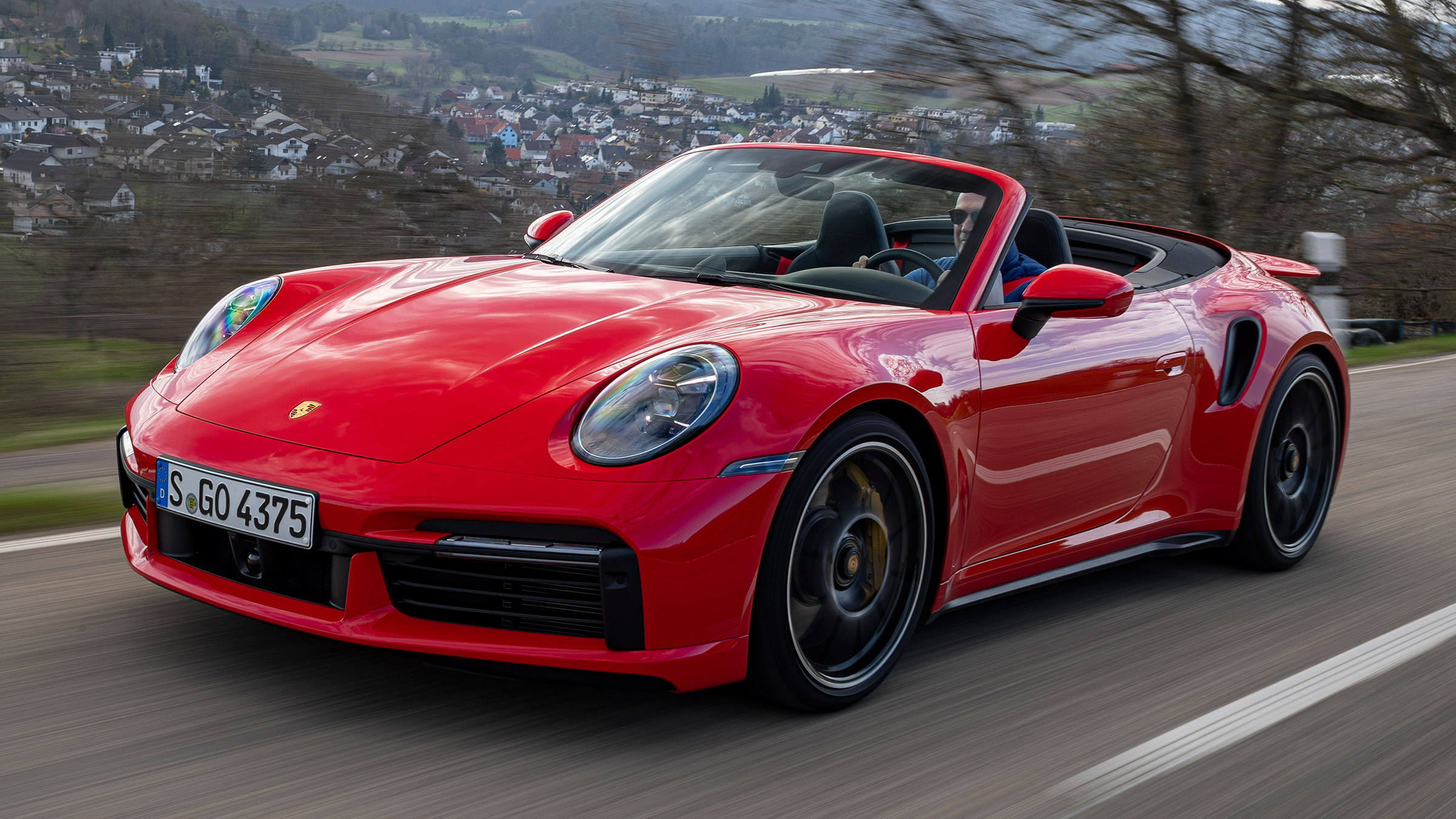
First introduced in 1964, the Porsche 911 is an automotive icon known for its rear-engine layout and enduring silhouette. Over the decades, it evolved to embrace modern engineering while retaining a classic shape. In the UK, enthusiasts sought its blend of track-capable performance and day-to-day drivability. Iterations included Targa, Turbo, and GT3 variants, each appealing to those who cherished Porsche’s motorsport pedigree.
Porsche Cayman
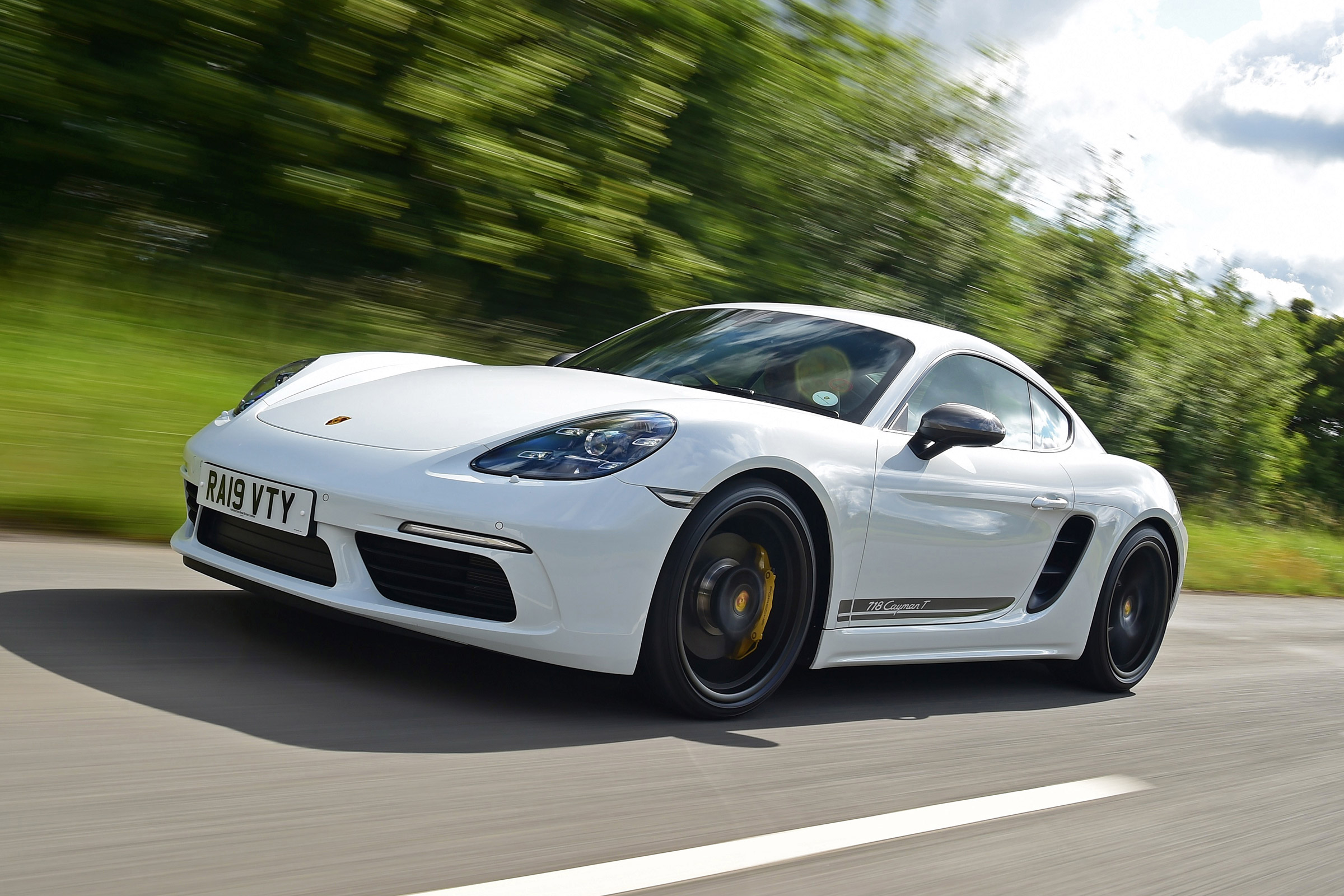
Launched in 2005 as a mid-engine coupé, the Cayman targeted enthusiasts wanting a more balanced chassis than the rear-engine 911. British drivers found it a compelling sports car with crisp handling and manageable size. Upgrades across generations enhanced power and refinement. It remained an attractive option for those seeking Porsche engineering at a slightly lower price point than the 911.
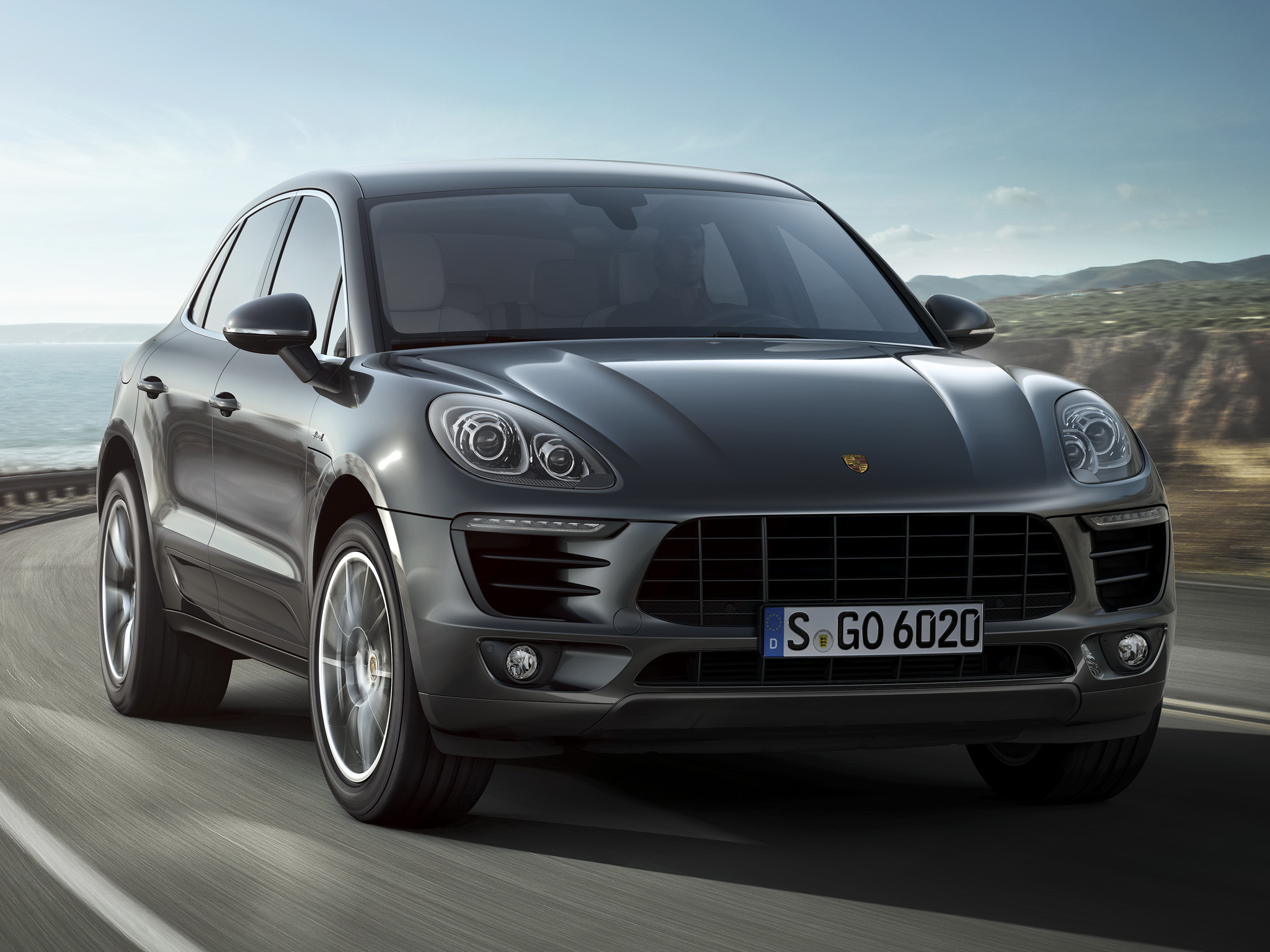
Porsche Macan
Already listed at line 59, so skipping duplication.
Is Your Vehicle Included?
Cars Using the 7-Speed PDK (Porsche Sports Models)
Porsche: 911 (992 and earlier 991), 718 Boxster, 718 Cayman, some Panamera trims
Have a question?
Frequently asked questions
How much will it cost to repair my gearbox?
It’s difficult to provide a definitive answer without a proper diagnostic, as the cost of a gearbox repair can vary depending on several factors. The make and model of the car, as well as the type of gearbox, can significantly impact the cost.
If you’re experiencing issues with your gearbox, the best course of action is to contact one of our specialist team who will be able to provide you with an initial quotation.
What causes a gearbox to become faulty?
There are several factors that can contribute to a gearbox becoming faulty. Some of the most common causes include:
-
Lack of maintenance: Regular maintenance, including changing the gearbox oil and replacing worn parts, can help prevent damage to the gearbox.
-
Wear and tear: Over time, the gears and other components of the gearbox can become worn, leading to issues such as grinding or difficulty shifting.
-
Overheating: Excessive heat can damage the gearbox and cause it to fail. This can be caused by a variety of factors, including driving at high speeds for extended periods or towing heavy loads.
-
Contamination: Dirt, debris, or other contaminants can get into the gearbox and cause damage to the gears and bearings.
-
Manufacturer defects: In some cases, the gearbox may have been manufactured with a defect that causes it to fail prematurely.
Can I still drive my car if the gearbox is acting strange?
It’s not recommended to continue driving your car if you’re experiencing problems with the gearbox. While you may be able to drive for a short time, ignoring the issue could result in more severe damage to the gearbox and other components of your vehicle.
Continuing to drive with a faulty gearbox could also turn a simple repair into a more complex and expensive one. In some cases, driving with a damaged gearbox could lead to complete gearbox failure, which could result in extensive damage and costly repairs.
If you’re experiencing issues with your gearbox, it’s important to have it diagnosed and repaired by a professional as soon as possible.
Get an initial quote today.
Enter your information and one of our specialists will be in touch.
Contact us
submit an enquiry