

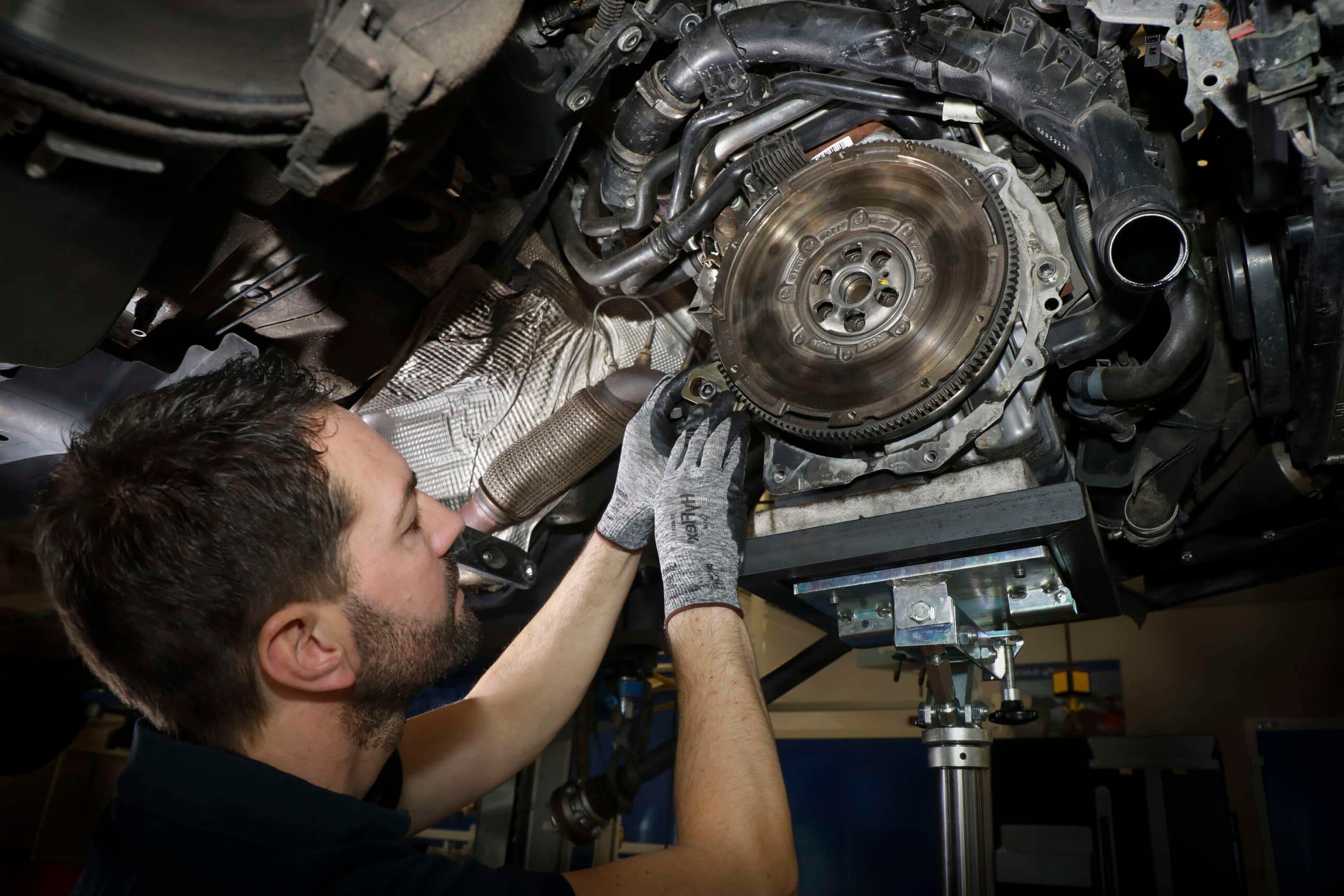
7-Speed DCT or 8-Speed Aisin
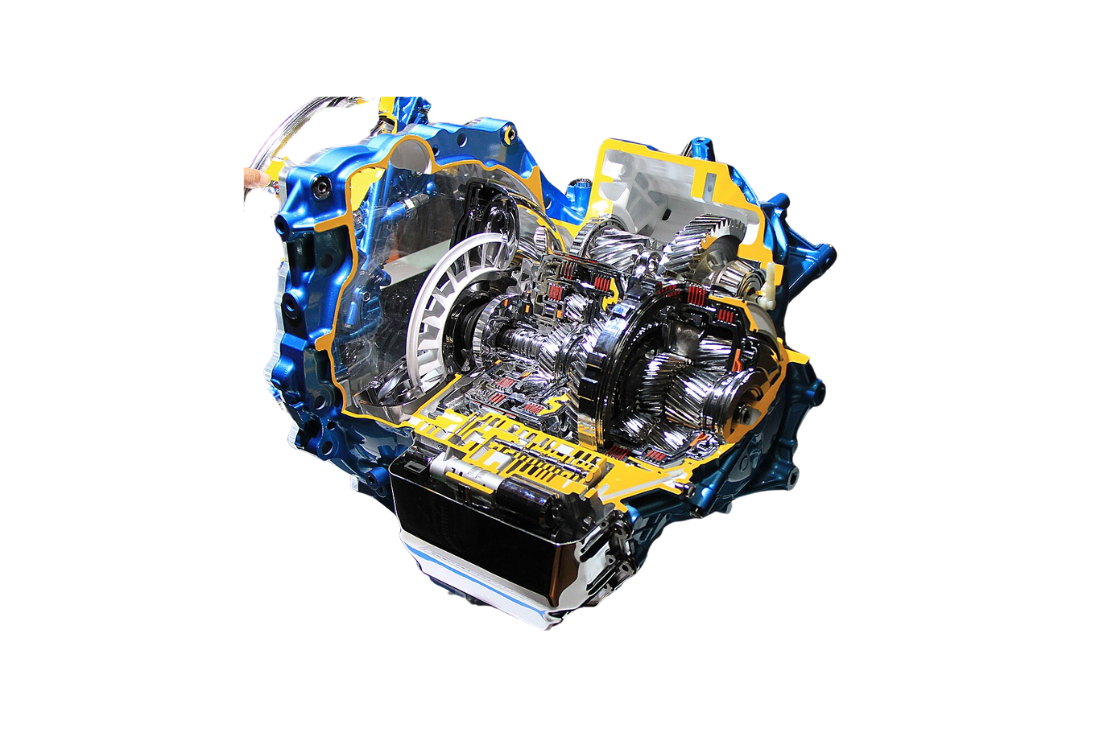
These transmissions appeared over the 2010s as two contrasting approaches: a dual-clutch for brisk shifting, and an Aisin torque-converter option for smoothness. Automakers used them to cater to different driver preferences. Despite early acclaim, certain drivers reported mild lag or less-than-perfect shift quality when pushed hard.
Have a Problem?
Common Problems With 7-Speed DCT or 8-Speed Aisin
Common 7-Speed DCT or 8-Speed Aisin Problems
Some vehicles offer both transmissions as options, each with distinct concerns but overlapping symptoms if not serviced properly.
Inconsistent Shifting at Low RPM
A stutter or lag switching gears can surface, noticeable during gentle suburban driving.
Potential Causes: Clutch pack chatter in the DCT, or valve body wear in the Aisin variant, outdated TCU mapping.
Mild Slip under Load
The engine revs up without equivalent forward momentum, indicating partial clutch or torque converter slip.
Potential Causes: Overheated friction plates, incorrect fluid, or advanced friction surface wear.
Rough Downshifts Entering Roundabouts
Drivers may feel a clunk as the gearbox quickly selects a lower gear under braking.
Potential Causes: Pressure surge in mechatronics, TCM logic that’s not tuned for abrupt decelerations, or fluid nearing end-of-life.
Shift Delays Changing from Drive to Reverse
Whether it’s the DCT or torque converter, any confusion in the control module can create a slight wait or jolt when reversing.
Potential Causes: Sensor cross-check errors, partial oil starvation, or wear on shift forks (DCT).
Maintenance Recommendations
Using the correct fluid for each box is crucial since DCT and Aisin automatics have different requirements. Checking TCU updates and scanning for errors helps isolate mechatronic or sensor problems. Early diagnosis of slip or harsh engagement can avert major component replacements.
Popular Cars with this Gearbox
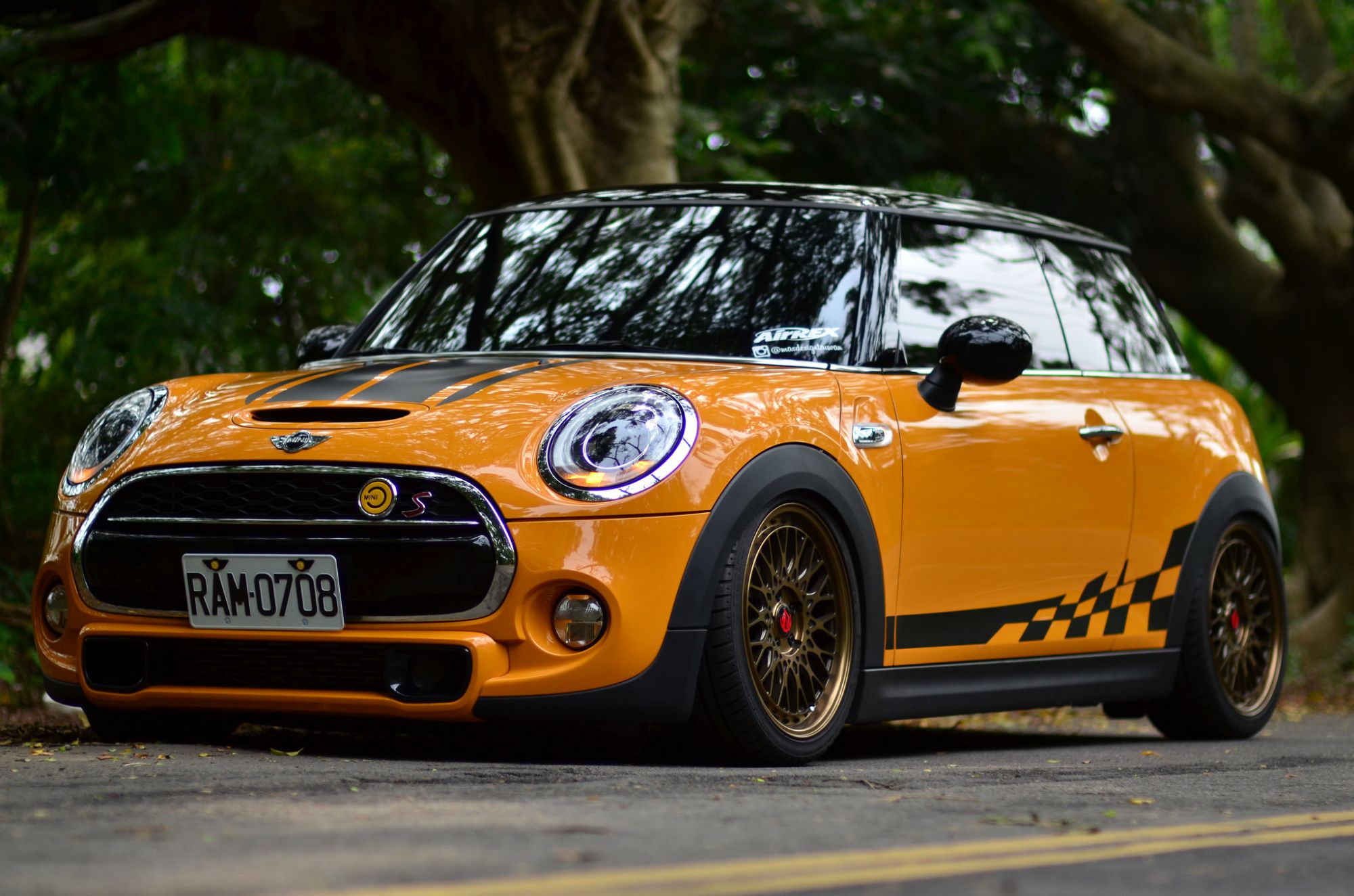
Mini Cooper S
BMW’s modern MINI revival began in 2001, with the Cooper S acting as the hot hatch variant. It captured UK buyers seeking classic MINI design cues paired with a livelier turbocharged engine. Over successive updates, it gained improved interiors, more power, and better tech integration. Its nimble handling and retro charm made it a fashionable choice for city dwellers craving some driving fun.
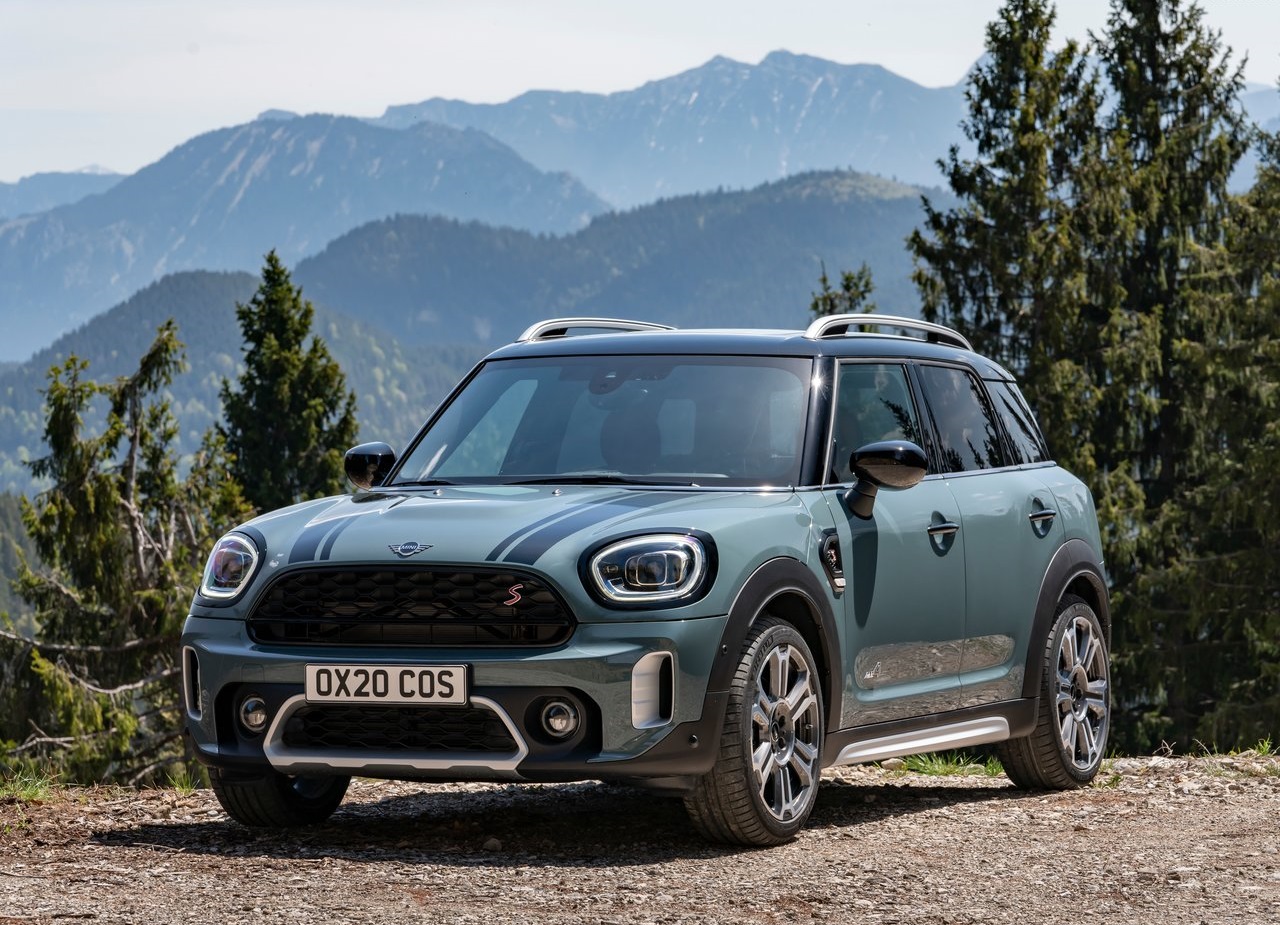
Mini Countryman
The Countryman emerged in 2010 as the largest MINI offering, bringing four doors and optional all-wheel drive. Britons liked the extra practicality for families, along with the brand’s signature styling. Over subsequent revisions, it added advanced infotainment, more efficient engines, and even plug-in hybrid variants. This bigger footprint let MINI access crossover buyers who still wanted the iconic MINI character.
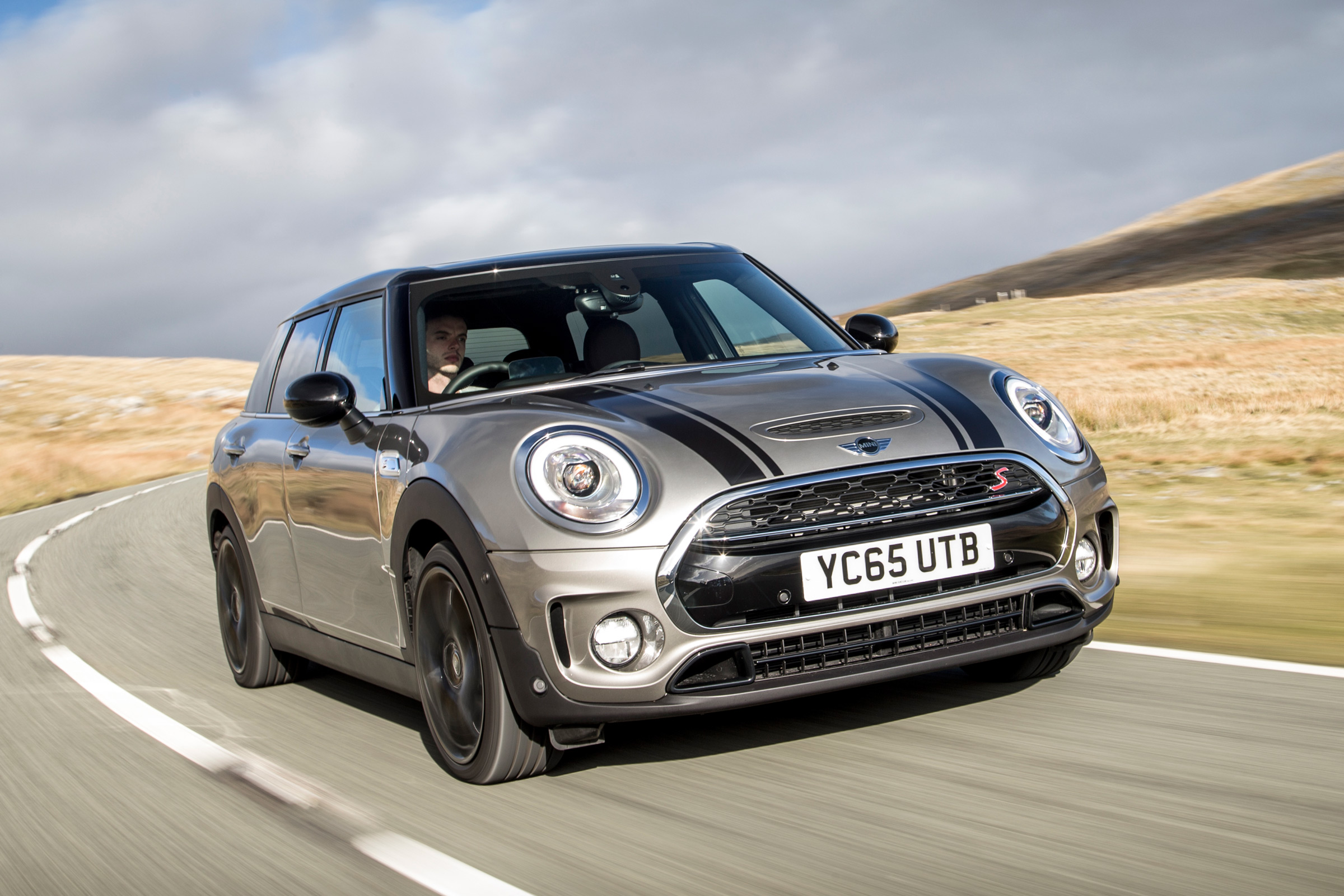
Mini Clubman
(Version 1) The modern Clubman arrived in 2007, featuring barn-style rear doors and an elongated chassis for extra cargo room. It combined MINI’s playful aesthetics with a dash of practicality. The UK market liked having a more spacious alternative to the standard MINI hatch. Over time, expansions in trim levels and engine choices offered both economy and sportier variants, sustaining the Clubman’s niche appeal.
Is Your Vehicle Included?
Cars Using the 7-Speed DCT or 8-Speed Aisin
- Toyota: C-HR (in certain regions with DCT), RAV4 (8-Speed Aisin in some trims)
- Lexus: UX 200 (CVT for some, 8-Speed in others), ES (8-Speed)
- Hyundai: Some i30 or Kona versions (7-DCT) vs. Sonata (8-Speed)
- European Models (select): Certain Opel or PSA cross-shared units
Have a question?
Frequently asked questions
How much will it cost to repair my gearbox?
It’s difficult to provide a definitive answer without a proper diagnostic, as the cost of a gearbox repair can vary depending on several factors. The make and model of the car, as well as the type of gearbox, can significantly impact the cost.
If you’re experiencing issues with your gearbox, the best course of action is to contact one of our specialist team who will be able to provide you with an initial quotation.
What causes a gearbox to become faulty?
There are several factors that can contribute to a gearbox becoming faulty. Some of the most common causes include:
-
Lack of maintenance: Regular maintenance, including changing the gearbox oil and replacing worn parts, can help prevent damage to the gearbox.
-
Wear and tear: Over time, the gears and other components of the gearbox can become worn, leading to issues such as grinding or difficulty shifting.
-
Overheating: Excessive heat can damage the gearbox and cause it to fail. This can be caused by a variety of factors, including driving at high speeds for extended periods or towing heavy loads.
-
Contamination: Dirt, debris, or other contaminants can get into the gearbox and cause damage to the gears and bearings.
-
Manufacturer defects: In some cases, the gearbox may have been manufactured with a defect that causes it to fail prematurely.
Can I still drive my car if the gearbox is acting strange?
It’s not recommended to continue driving your car if you’re experiencing problems with the gearbox. While you may be able to drive for a short time, ignoring the issue could result in more severe damage to the gearbox and other components of your vehicle.
Continuing to drive with a faulty gearbox could also turn a simple repair into a more complex and expensive one. In some cases, driving with a damaged gearbox could lead to complete gearbox failure, which could result in extensive damage and costly repairs.
If you’re experiencing issues with your gearbox, it’s important to have it diagnosed and repaired by a professional as soon as possible.
Get an initial quote today.
Enter your information and one of our specialists will be in touch.
Contact us
submit an enquiry