

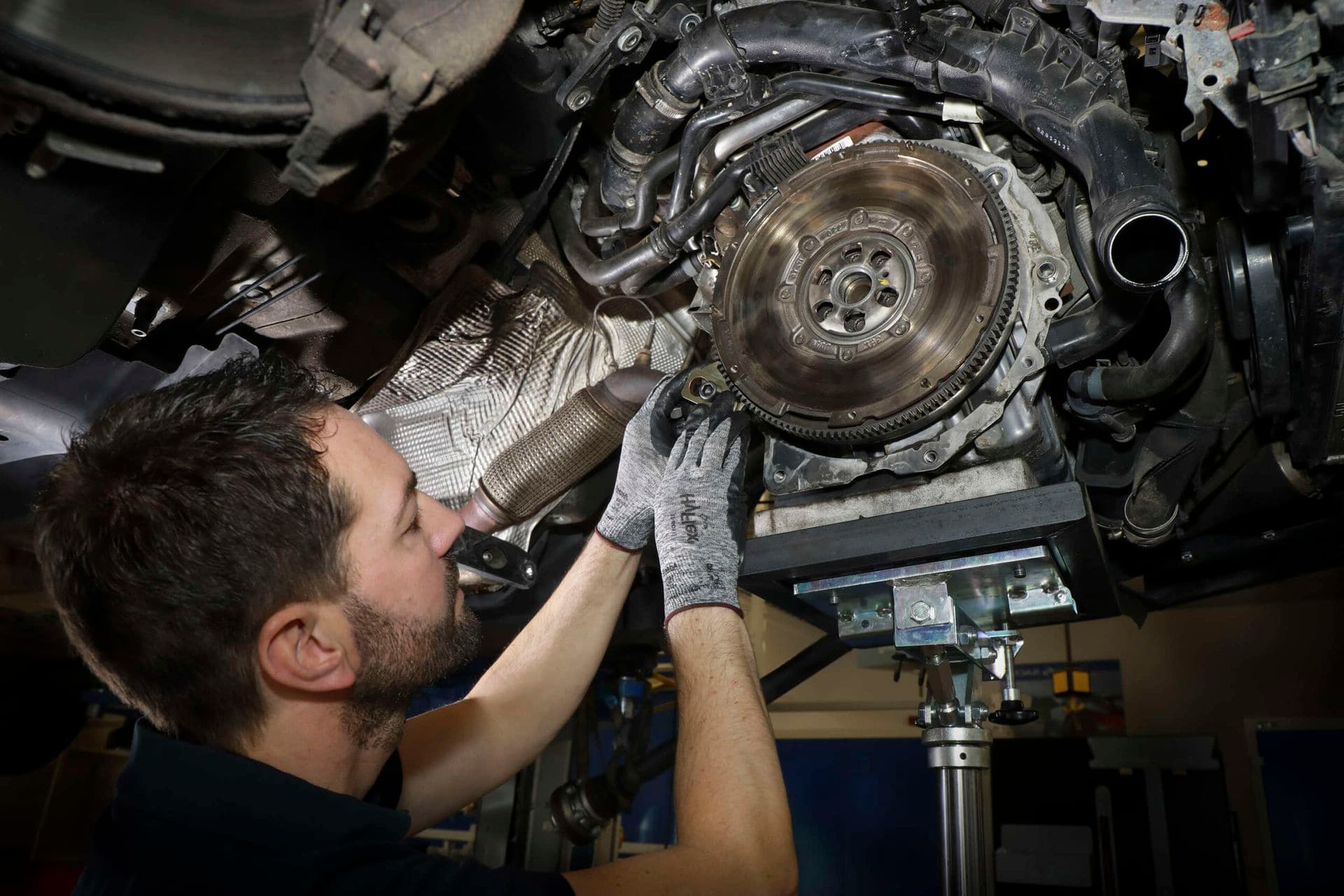
7-Speed DCT (Hyundai/Kia)
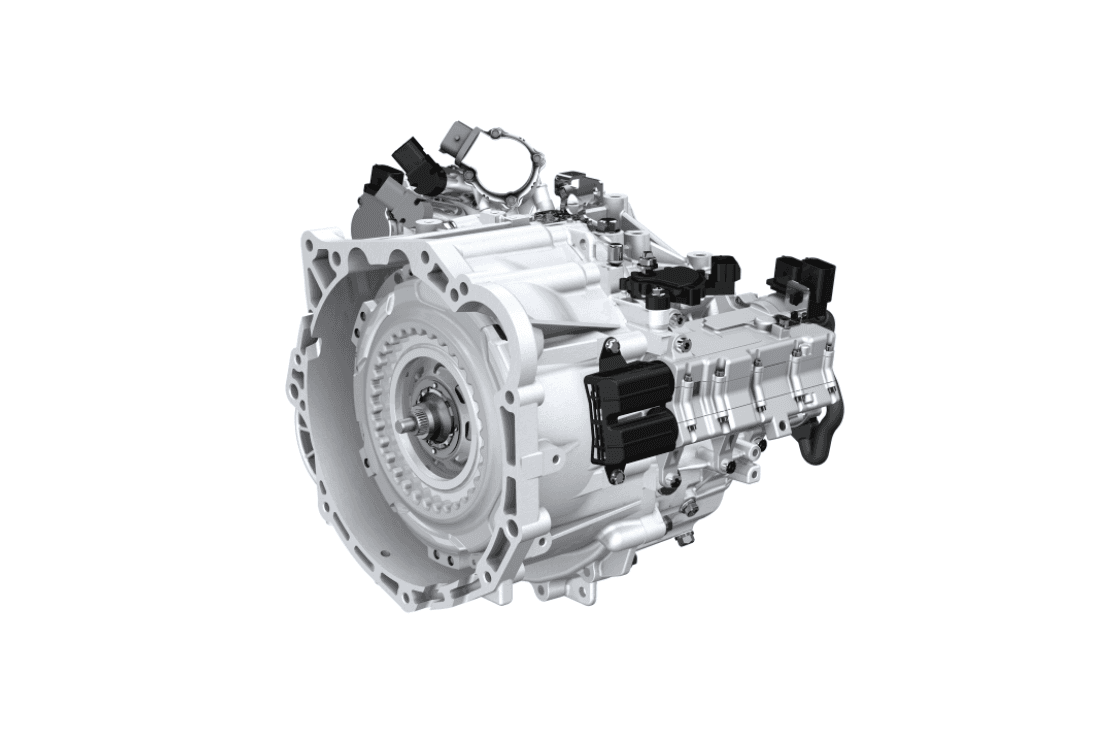
Hyundai and Kia introduced their 7-Speed DCT around 2015 with hopes of blending speedy gear changes and strong efficiency. It often delivered a sporty, responsive feel, pleasing many new buyers. Over time, though, certain users complained about low-speed shudder or delayed clutch engagement.
Have a Problem?
Common Problems With 7-Speed DCT (Hyundai/Kia)
Common 7-Speed DCT (Hyundai/Kia) Problems
This transmission can boost efficiency, but heavy traffic or aggressive driving may introduce a handful of issues.
Overheating in Stop-Go Traffic
The dry clutch design sometimes struggles with repeated half-clutch operation, causing temperature spikes.
Potential Causes: Limited cooling, frequent creep, or fluid overuse leading to clutch slip.
Hesitation Off the Line
Momentary delay from a standstill can be unsettling, especially at busy junctions.
Potential Causes: Actuator lag, software calibration, or partial clutch engagement confusion.
Shudder During Low-Speed Maneuvers
Light vibration or chatter can occur in parking lots or when inching forward in a queue.
Potential Causes: Dry friction plate glazing, insufficient fluid film, or misaligned TCM logic.
Early Clutch Wear
Some drivers see friction material degrade faster than anticipated, mostly from urban usage.
Potential Causes: Repeated hill starts, high load pulling away, or ignoring recommended fluid intervals.
Maintenance Recommendations
Avoid prolonged crawling in half-clutch situations if possible. Regular fluid checks, TCM updates, and gentle warm-up are key to limiting wear. If repeated overheating warnings appear, professional inspection is advised.
Popular Cars with this Gearbox
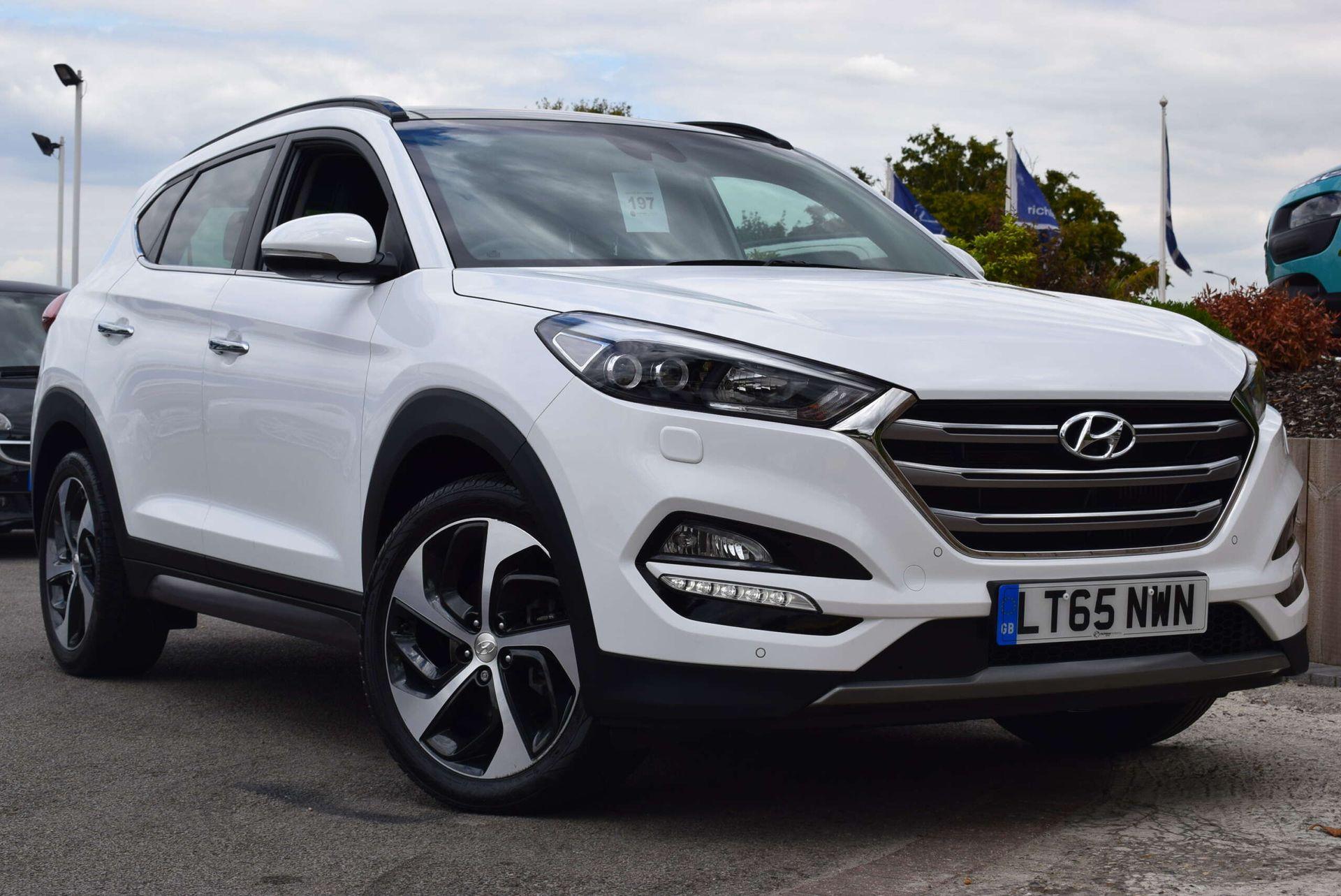
Hyundai Tucson
The Tucson name re-emerged for global markets in 2015, succeeding the ix35 in Europe. It attracted families seeking an affordable yet refined crossover, offering generous equipment levels and decent fuel economy. Its sharp styling and warranty package also appealed to British drivers wanting security in daily commutes. Periodic updates introduced better infotainment and safety kit, reinforcing its value-focused reputation.
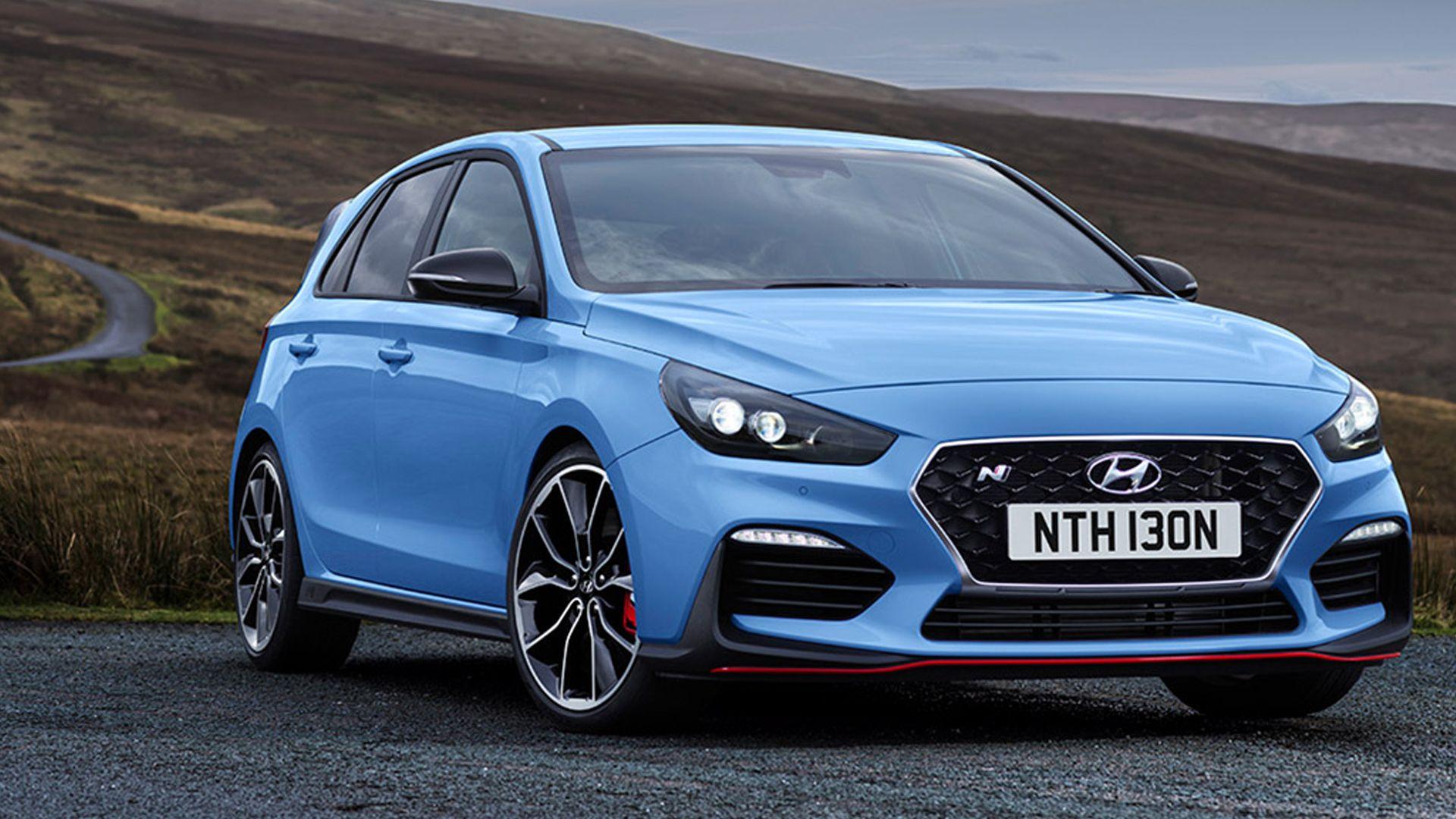
Hyundai i30
Unveiled in 2007, the Hyundai i30 targeted the competitive hatch segment dominated by European brands. Gradual improvements in design, engine range, and cabin quality appealed to cost-conscious UK families. Later models gained advanced safety and infotainment. By the mid-2010s, it evolved into a reliable, value-oriented choice, with sporty N variations attracting enthusiasts.
Kia Sportage
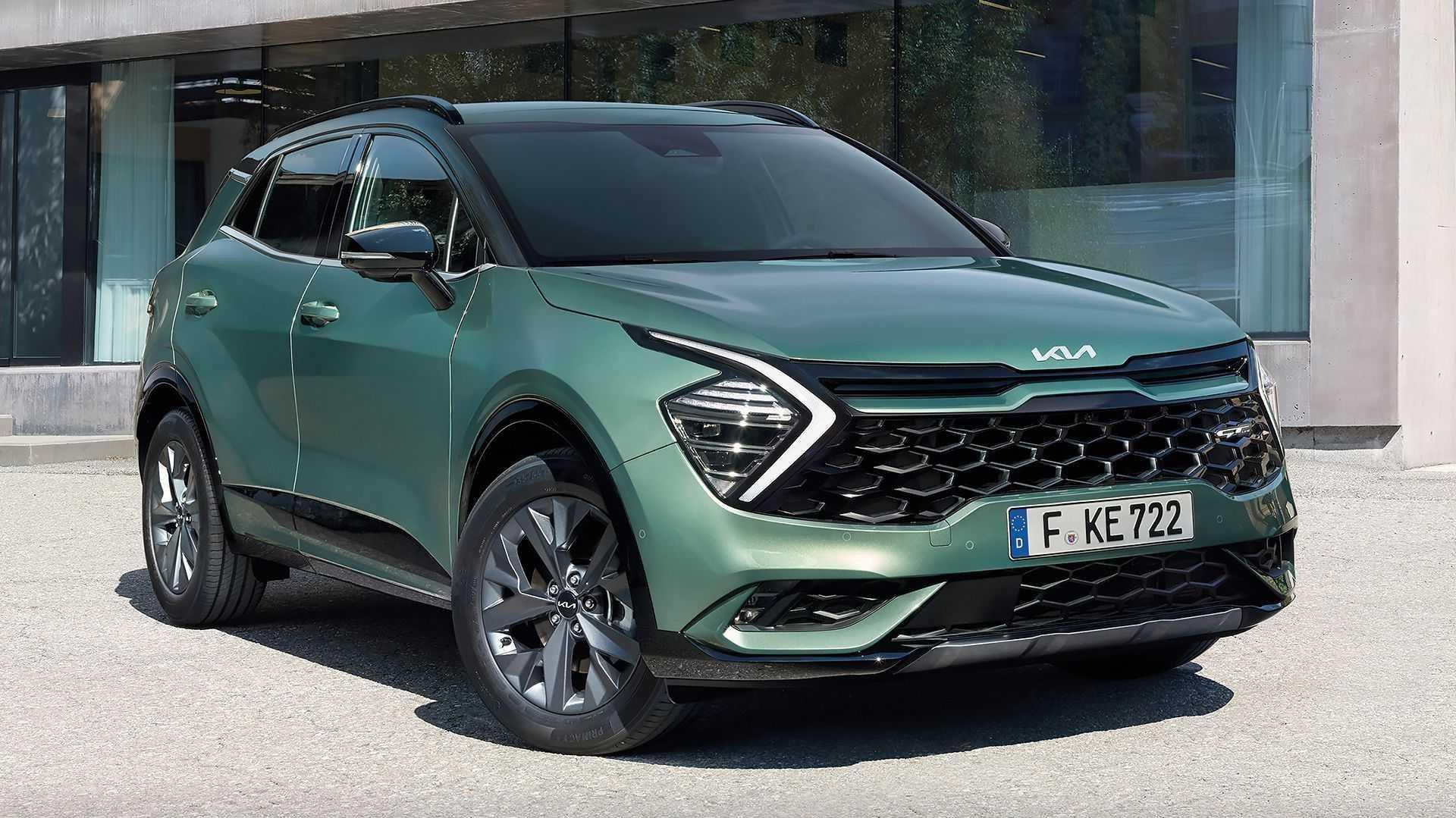
Emerging in the mid-2000s, the Kia Sportage quickly improved with each generation, gaining a more refined design and advanced safety. UK families praised its generous equipment, decent diesel or petrol engines, and strong warranty. It transitioned from a budget 4×4 to a genuinely competitive crossover. Facelifts introduced sharper styling and better tech, firmly placing it among the best-selling SUVs in Britain.
Kia Ceed
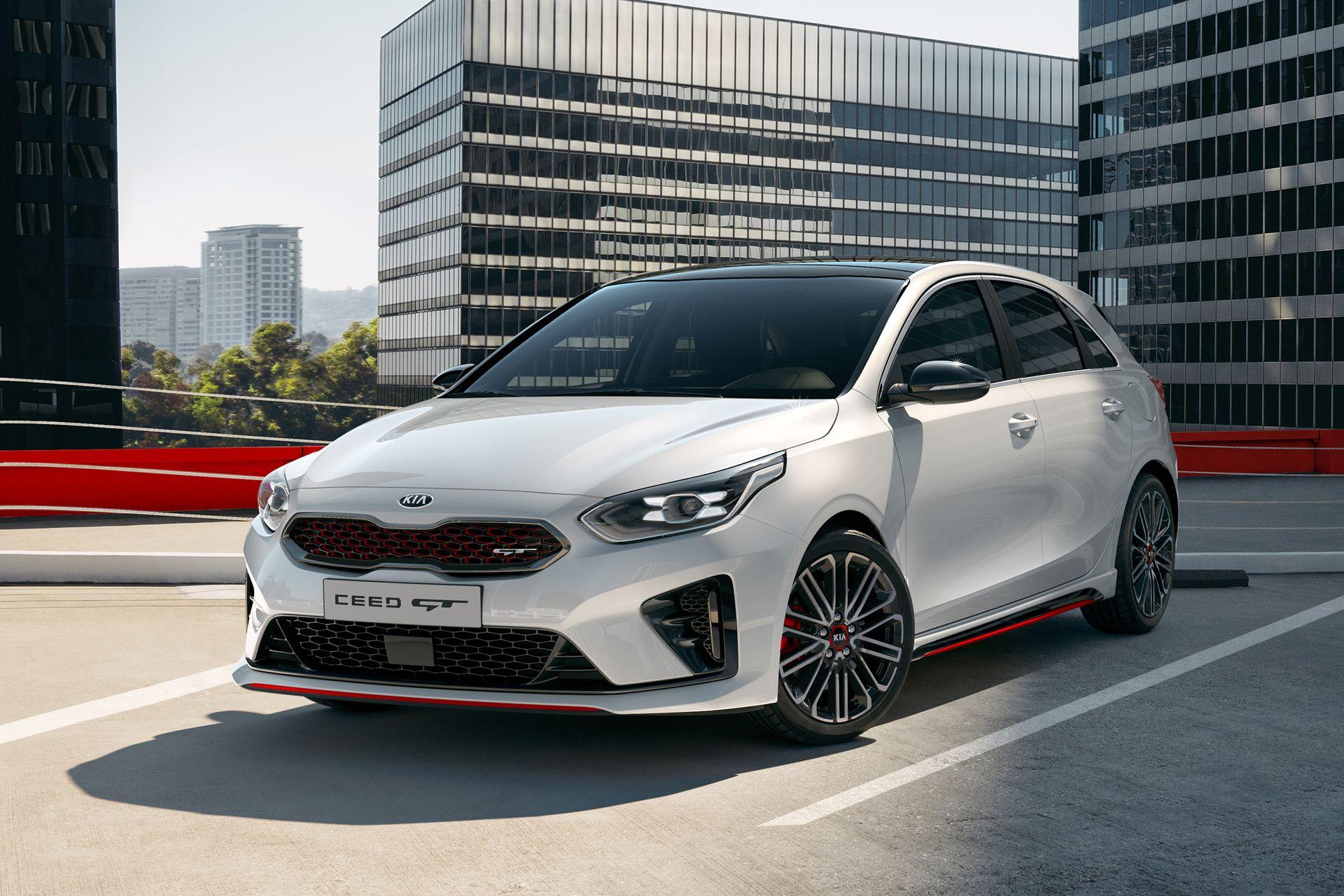
The Ceed arrived in 2006, marking Kia’s big step into the European market. Designed in Europe for European tastes, it gained a reputation for strong value, decent ride, and a lengthy warranty. Multiple facelifts improved styling and efficiency, attracting UK drivers who sought a budget-friendly alternative to Focus or Golf. Ultimately, it helped transform Kia’s image into a credible mainstream contender.
Is Your Vehicle Included?
Cars Using the 7-Speed DCT (Hyundai/Kia)
Hyundai: i30, Elantra (turbo trims), Kona, Tucson (selected engines)
Kia: Ceed, Forte (GT), Sportage (certain turbo variants)
Have a question?
Frequently asked questions
How much will it cost to repair my gearbox?
It’s difficult to provide a definitive answer without a proper diagnostic, as the cost of a gearbox repair can vary depending on several factors. The make and model of the car, as well as the type of gearbox, can significantly impact the cost.
If you’re experiencing issues with your gearbox, the best course of action is to contact one of our specialist team who will be able to provide you with an initial quotation.
What causes a gearbox to become faulty?
There are several factors that can contribute to a gearbox becoming faulty. Some of the most common causes include:
-
Lack of maintenance: Regular maintenance, including changing the gearbox oil and replacing worn parts, can help prevent damage to the gearbox.
-
Wear and tear: Over time, the gears and other components of the gearbox can become worn, leading to issues such as grinding or difficulty shifting.
-
Overheating: Excessive heat can damage the gearbox and cause it to fail. This can be caused by a variety of factors, including driving at high speeds for extended periods or towing heavy loads.
-
Contamination: Dirt, debris, or other contaminants can get into the gearbox and cause damage to the gears and bearings.
-
Manufacturer defects: In some cases, the gearbox may have been manufactured with a defect that causes it to fail prematurely.
Can I still drive my car if the gearbox is acting strange?
It’s not recommended to continue driving your car if you’re experiencing problems with the gearbox. While you may be able to drive for a short time, ignoring the issue could result in more severe damage to the gearbox and other components of your vehicle.
Continuing to drive with a faulty gearbox could also turn a simple repair into a more complex and expensive one. In some cases, driving with a damaged gearbox could lead to complete gearbox failure, which could result in extensive damage and costly repairs.
If you’re experiencing issues with your gearbox, it’s important to have it diagnosed and repaired by a professional as soon as possible.
Get an initial quote today.
Enter your information and one of our specialists will be in touch.
Contact us
submit an enquiry