

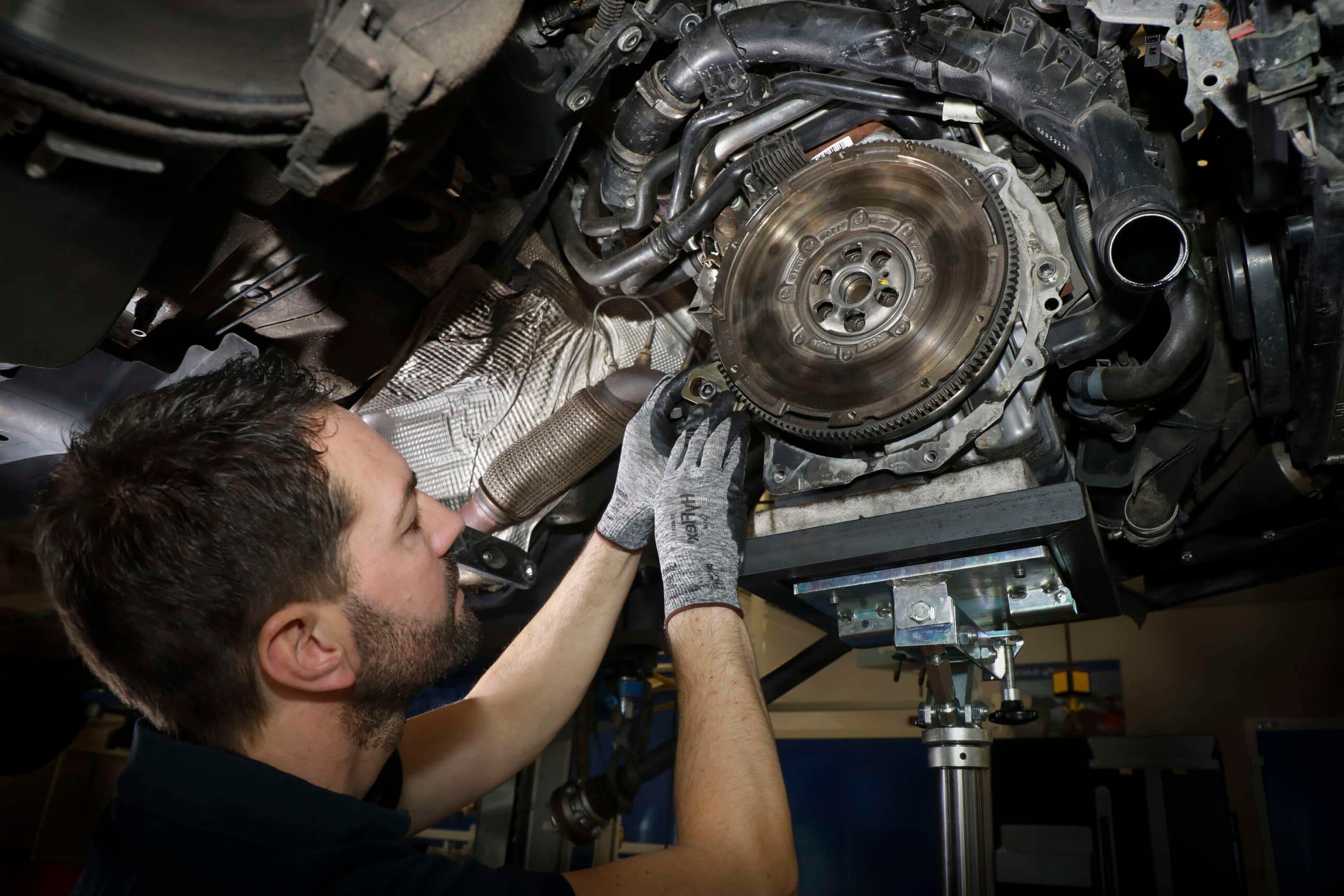
6F / 8F Auto (Ford, GM Variants)
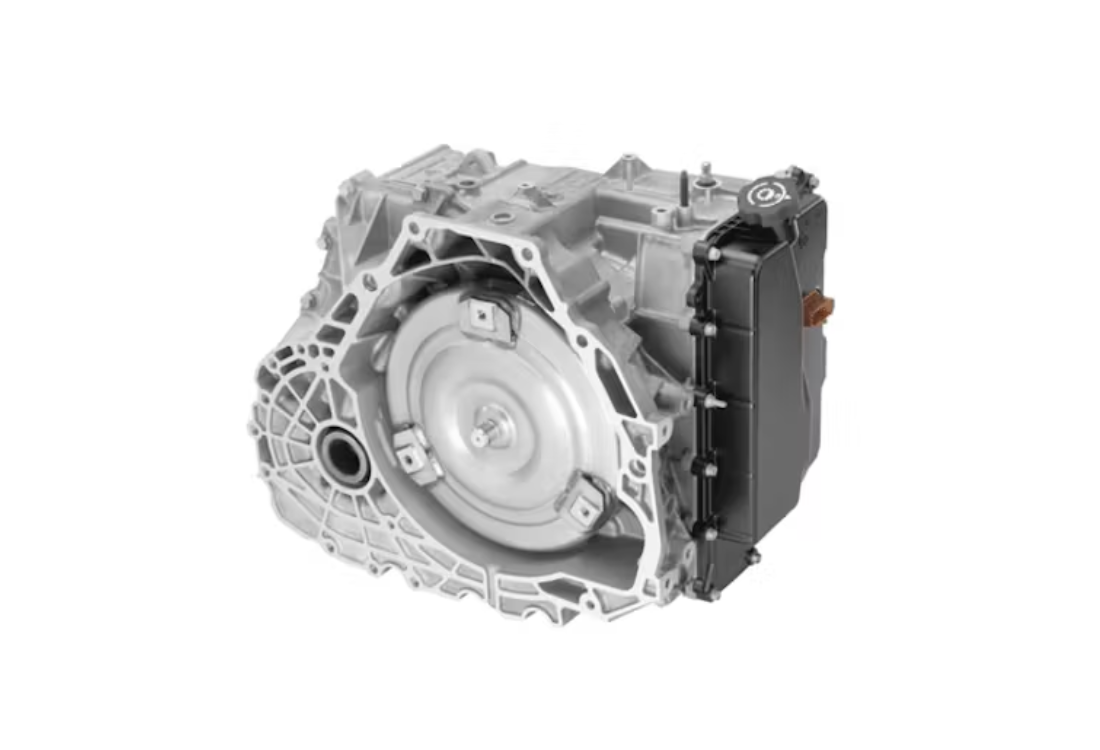
The 6F and 8F automatics arrived in the late 2000s, riding on a wave of optimism for joint Ford-GM engineering. They offered brisk acceleration and decent fuel economy in everything from sedans to big SUVs. However, some people complained about jerky gear changes or converter judder as these transmissions aged.
Have a Problem?
Common Problems With 6F / 8F Auto (Ford, GM Variants)
Common 6F / 8F Auto Problems
Ford and GM collaborated on these units for various car and truck lines. They often manage torque well, but certain failures crop up over time.
Converter Shudder
A pulsation felt through the drivetrain under light load, often referred to as a “shudder” or “chuggle.”
Potential Causes: Degraded torque converter friction, substandard fluid, or repeated heavy towing.
Shift Flare on 2–3 or 3–4 Upshifts
The engine may rev momentarily before the next gear fully engages, leading to inconsistent acceleration.
Potential Causes: Valve body check-ball wear, solenoid miscalibration, or partial clutch pack glazing.
Metallic Debris in Pan
Seeing metal fragments on the magnet or in fluid can signal serious wear, if beyond typical break-in residue.
Potential Causes: Faulty bushings, planetary gear scoring, or torque converter friction disintegration.
Abnormal Whine in Low Gears
A gear or pump whine during initial acceleration may indicate a fluid circuit or bearing issue.
Potential Causes: Oil pump cavitation, worn thrust bearings, inadequate fluid pressure from failing pump seal.
Maintenance Recommendations
Regular fluid checks and ensuring the correct specification (sometimes Mercon, Dexron, or specialized blends) is crucial. Addressing shift flare or shudder early prevents deeper damage. Updated TCM calibrations can smooth out gear changes.
Popular Cars with this Gearbox
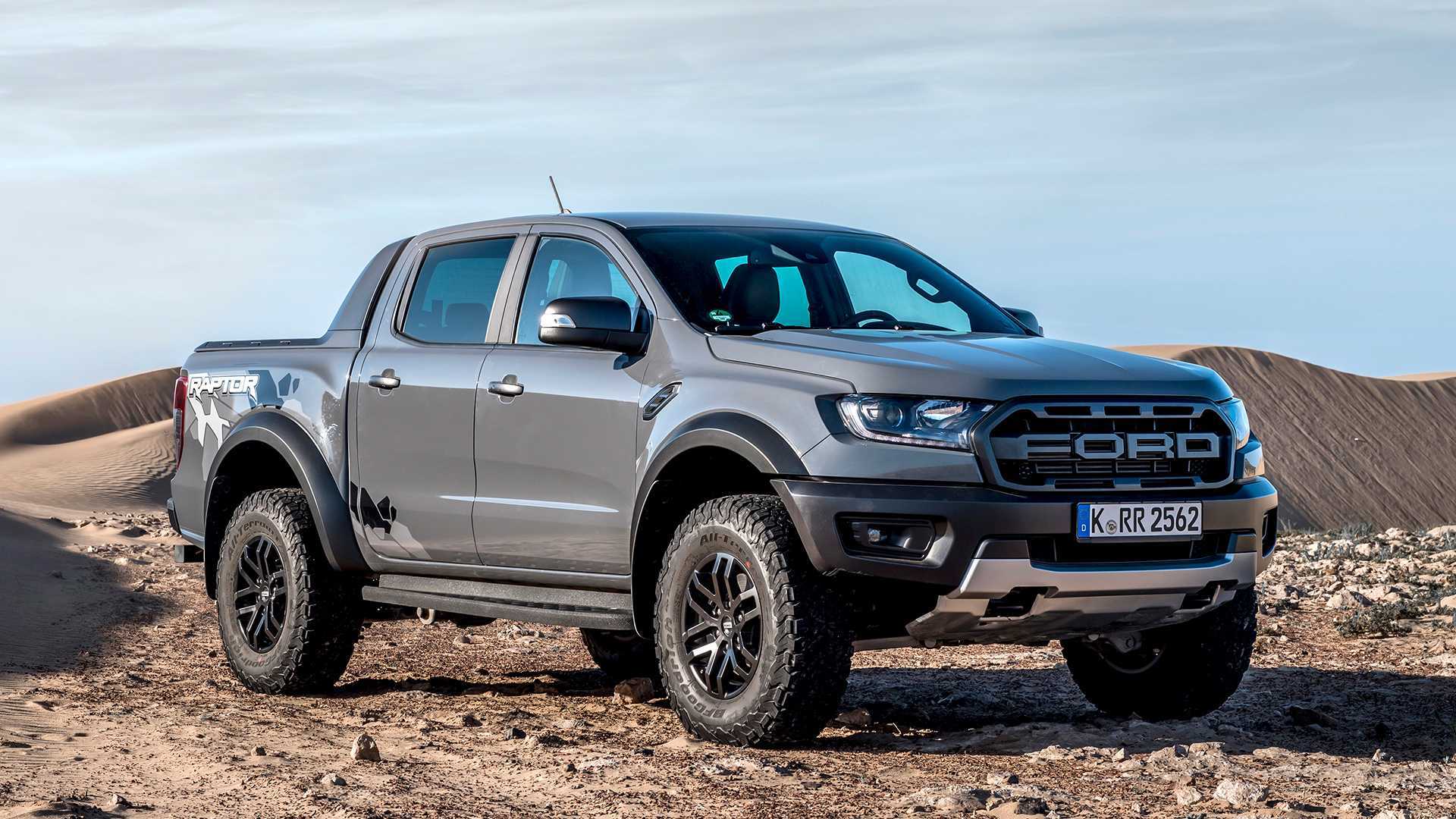
Ford Ranger
The Ford Ranger evolved into a global pickup by the 2010s, featuring robust towing capacity and a comfortable cabin. In the UK, it attracted tradespeople and adventurers wanting a rugged vehicle that could handle off-road tasks while doubling as a daily driver. Various trim levels, like the Wildtrak, introduced more upscale touches. Its blend of practicality and reliability cemented the Ranger’s status in the British pickup market.
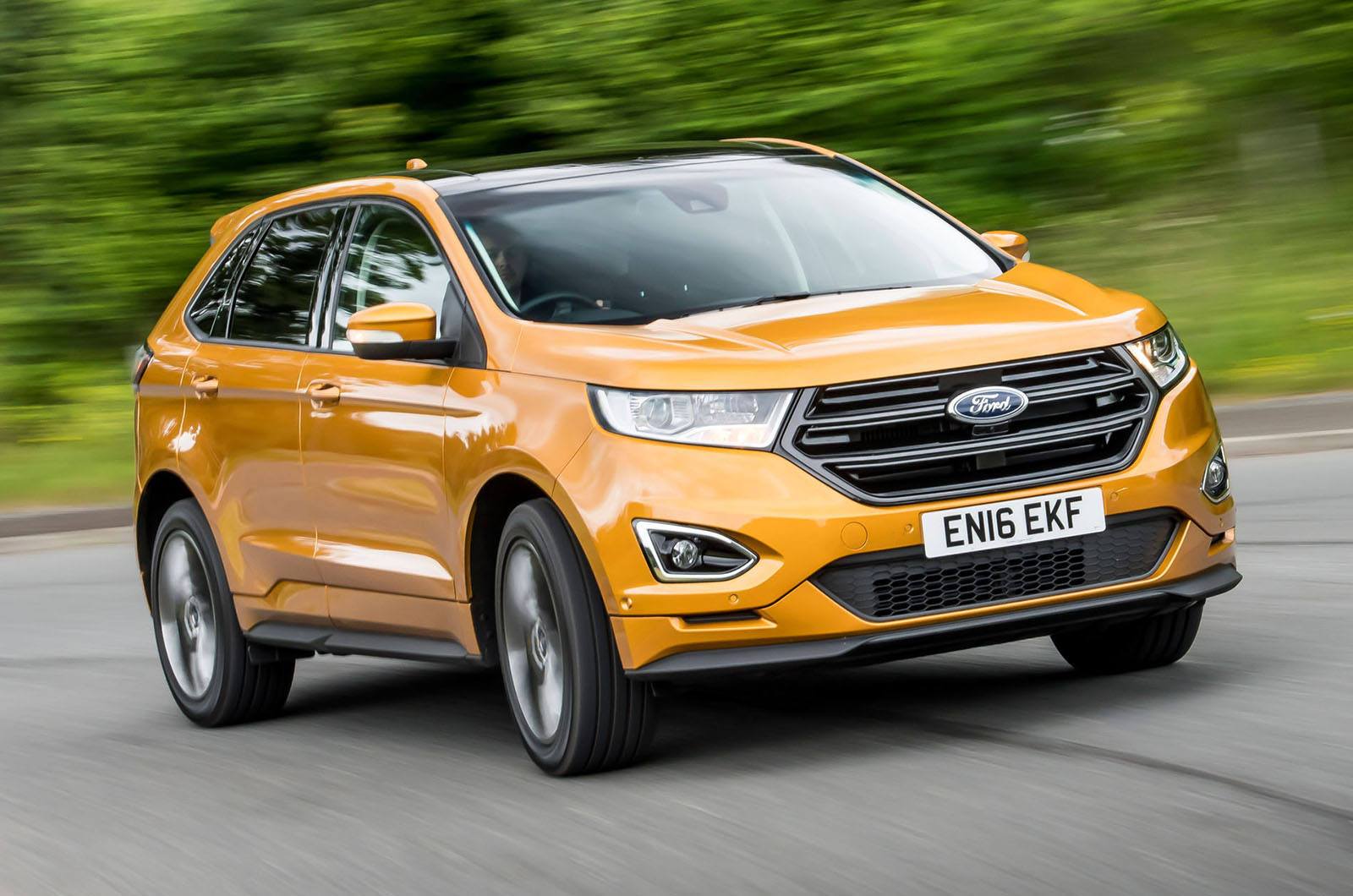
Ford Edge
The Ford Edge landed on UK shores around 2016 as the brand’s larger SUV above the Kuga. It catered to families wanting a spacious crossover with American-inspired design. Diesel engines and a well-insulated cabin made it comfortable for motorway travel. Though not as ubiquitous as smaller Ford models, it attracted those seeking a refined interior and a more imposing presence on UK roads.
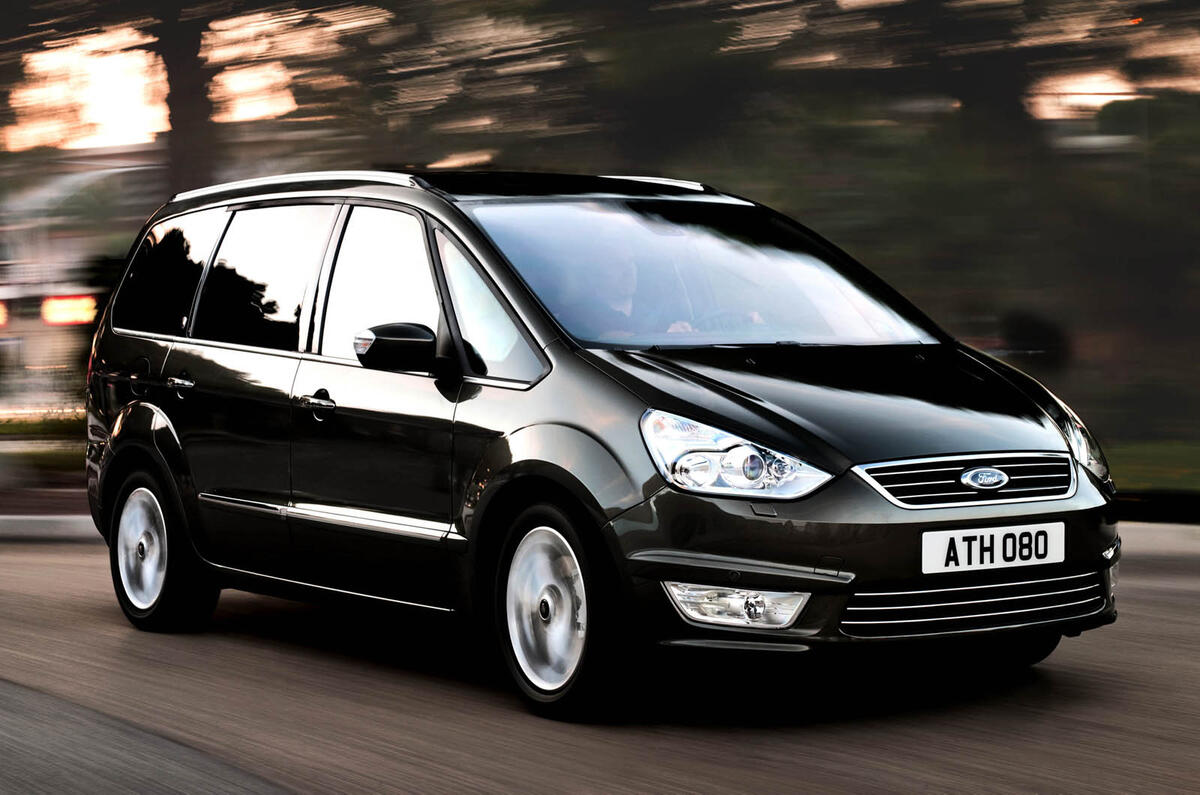
Ford Galaxy
Introduced in the mid-1990s, the Galaxy MPV offered seating for up to seven in a spacious interior. UK families and taxi services appreciated the flexible cabin. Over multiple generations, it gained improved diesel engines, smarter infotainment, and better safety. Though large SUVs grew in popularity, the Galaxy held its ground among those needing maximum people-moving capacity and a comfortable drive.
Is Your Vehicle Included?
Cars Using the 6F / 8F Auto (Ford, GM Variants)
Ford (6F): Fusion, Edge, Taurus
GM (6T/8T variants): Chevrolet Impala, Malibu, Buick Enclave, Cadillac XT5
Have a question?
Frequently asked questions
How much will it cost to repair my gearbox?
It’s difficult to provide a definitive answer without a proper diagnostic, as the cost of a gearbox repair can vary depending on several factors. The make and model of the car, as well as the type of gearbox, can significantly impact the cost.
If you’re experiencing issues with your gearbox, the best course of action is to contact one of our specialist team who will be able to provide you with an initial quotation.
What causes a gearbox to become faulty?
There are several factors that can contribute to a gearbox becoming faulty. Some of the most common causes include:
-
Lack of maintenance: Regular maintenance, including changing the gearbox oil and replacing worn parts, can help prevent damage to the gearbox.
-
Wear and tear: Over time, the gears and other components of the gearbox can become worn, leading to issues such as grinding or difficulty shifting.
-
Overheating: Excessive heat can damage the gearbox and cause it to fail. This can be caused by a variety of factors, including driving at high speeds for extended periods or towing heavy loads.
-
Contamination: Dirt, debris, or other contaminants can get into the gearbox and cause damage to the gears and bearings.
-
Manufacturer defects: In some cases, the gearbox may have been manufactured with a defect that causes it to fail prematurely.
Can I still drive my car if the gearbox is acting strange?
It’s not recommended to continue driving your car if you’re experiencing problems with the gearbox. While you may be able to drive for a short time, ignoring the issue could result in more severe damage to the gearbox and other components of your vehicle.
Continuing to drive with a faulty gearbox could also turn a simple repair into a more complex and expensive one. In some cases, driving with a damaged gearbox could lead to complete gearbox failure, which could result in extensive damage and costly repairs.
If you’re experiencing issues with your gearbox, it’s important to have it diagnosed and repaired by a professional as soon as possible.
Get an initial quote today.
Enter your information and one of our specialists will be in touch.
Contact us
submit an enquiry